
MHS · REMOVABLE MOBILE HABITATS
The global knowledge portal for removable mobile habitats.
Compare campers, understand their systems, solve technical questions, discover real journeys and follow the industry in one independent platform.
100-point ratingEvidence-based recordsTechnical knowledgeTravel & field reportsVerified incident evidence
POWERBatteries · Solar · Inverters
CLIMATEHeating · Ventilation · AC
WATERFresh · Grey · Hot water
CONSTRUCTIONAluminium · Composites · Roofs
FIELDRoutes · Failures · Lessons
RELIABILITYIncidents · Exposure · Method
Top rated modules
The twenty highest ranked assessed configurations currently published by MHS.
| Rank | Manufacturer / Model | Country | Evidence | Rating | Class |
|---|---|---|---|---|---|
| Loading current MHS rating… | |||||
MHS classes
The full MHS scale runs from 0 to 100 points.
A+90–100
A75–89.9
B60–74.9
C45–59.9
D30–44.9
E20–29.9
F0–19.9
MHS NEWS
Independent coverage of products, manufacturers, technology, market developments, events and regulation.
Loading MHS News…
MHS CAMPER DATABASE
Explore removable campers.
Browse the MHS market catalog, filter by vehicle fitment and technical specifications, compare assessed products and open a structured profile for every published model.
246Catalog records
200Assessed
48Manufacturers
8Countries
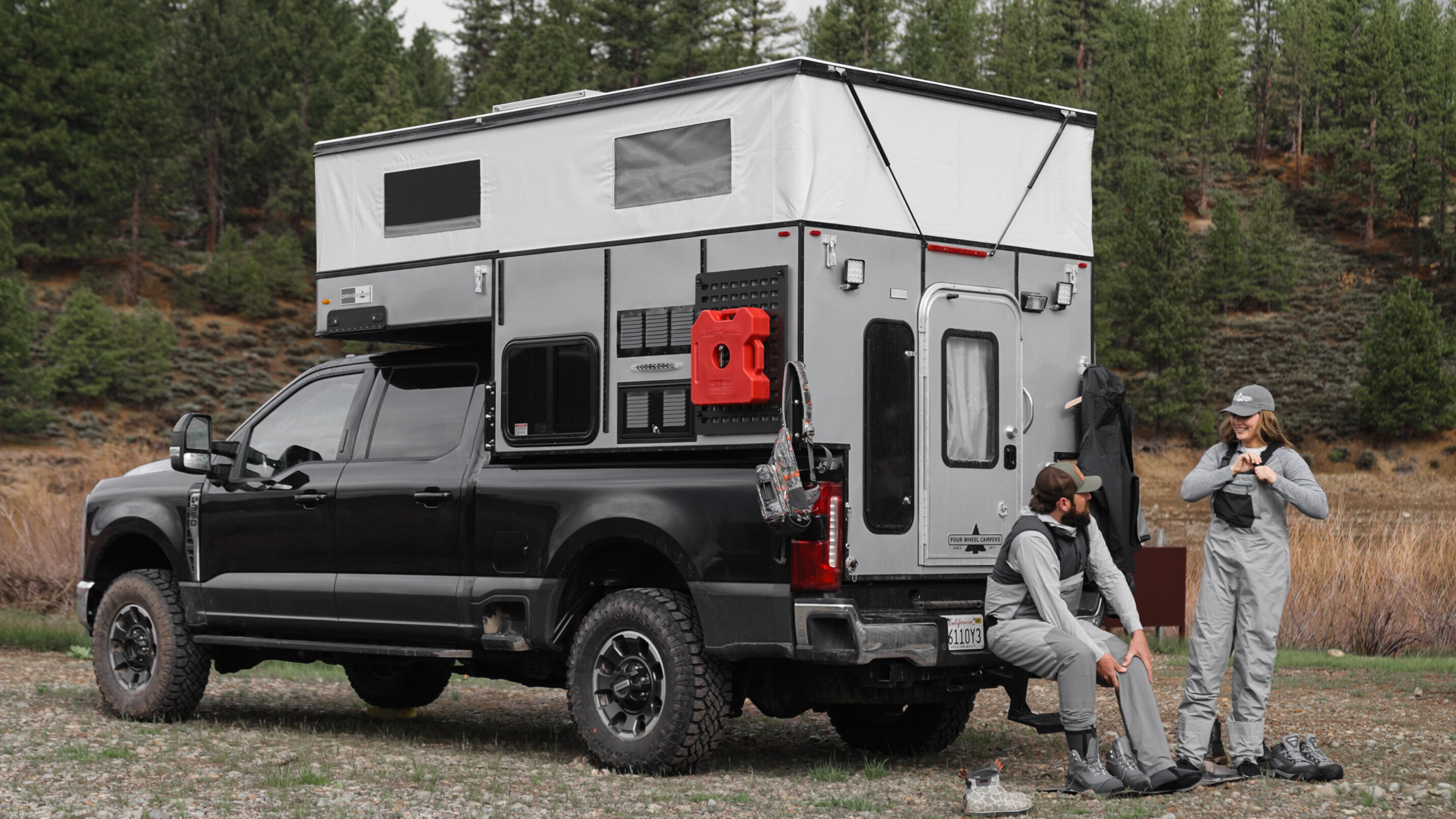
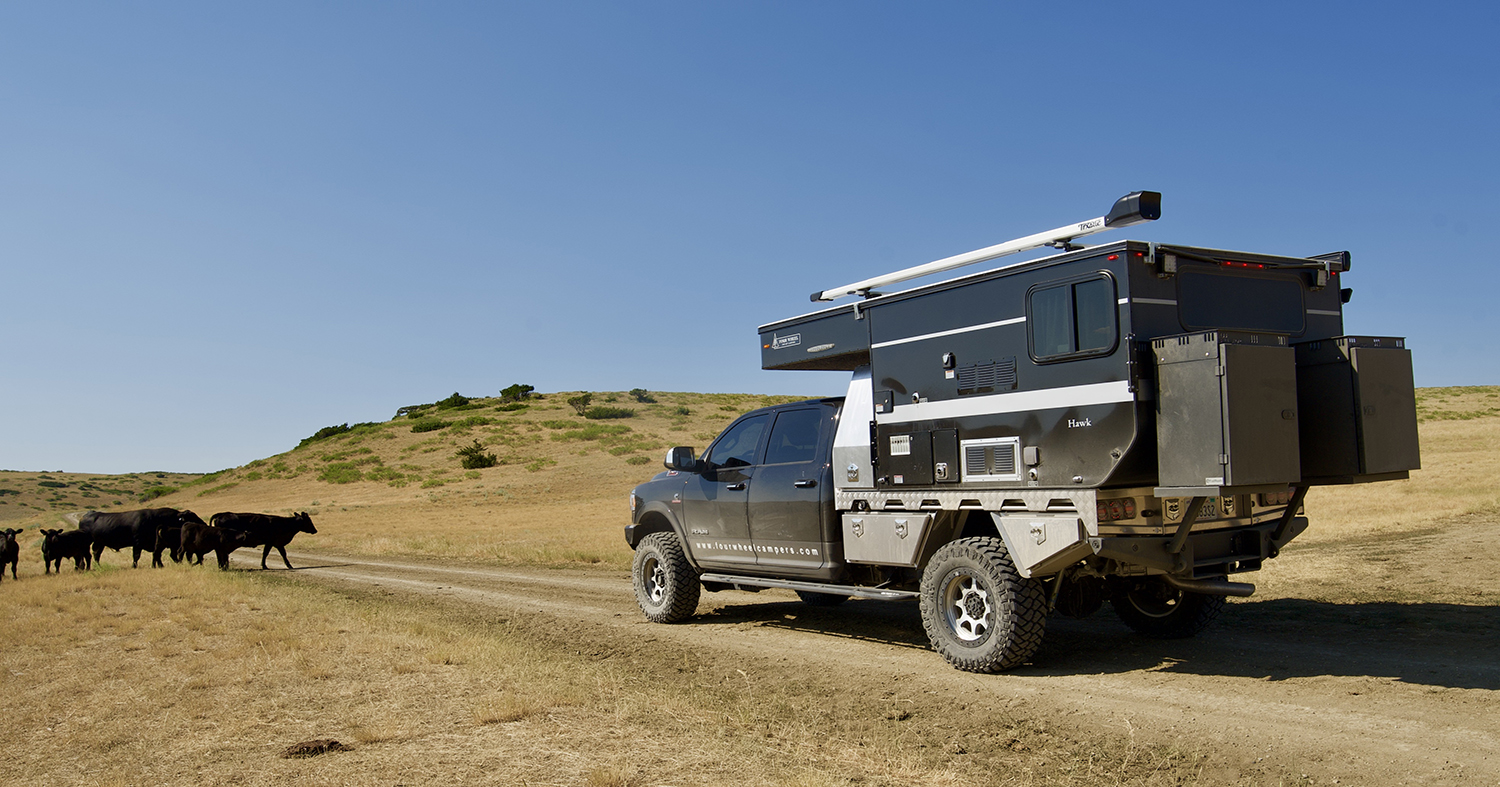
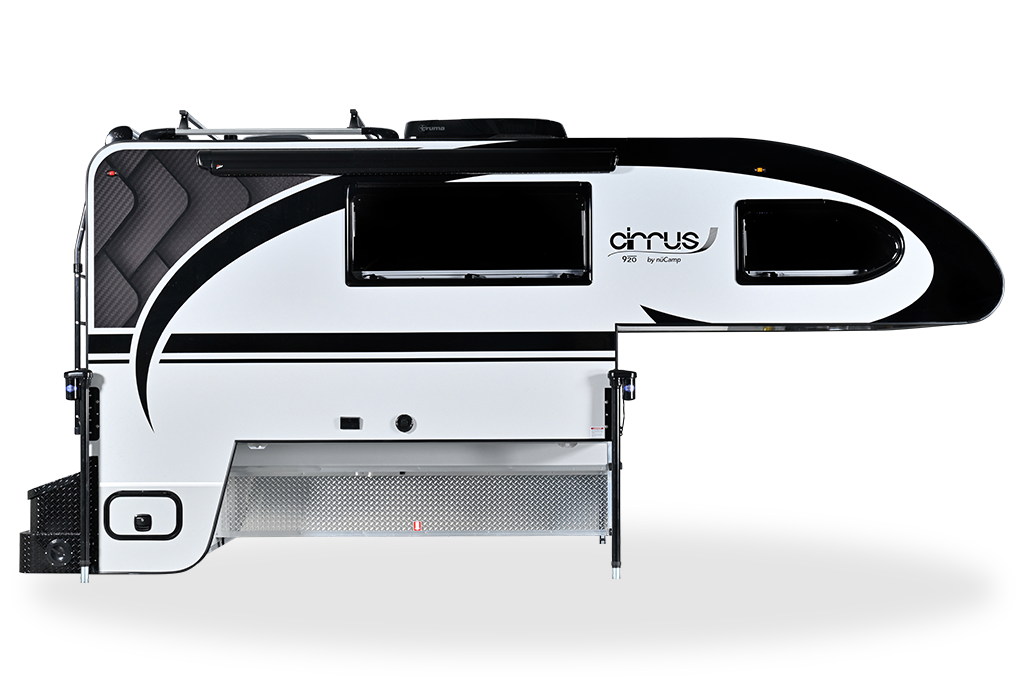
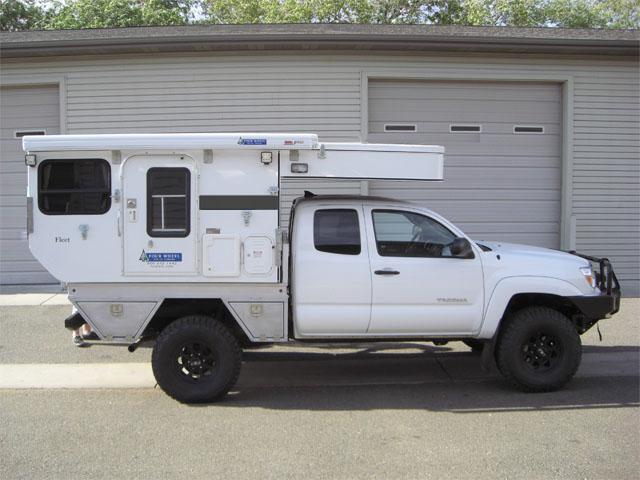
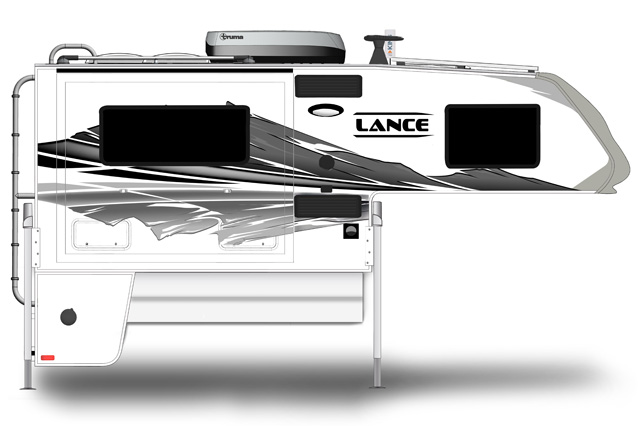
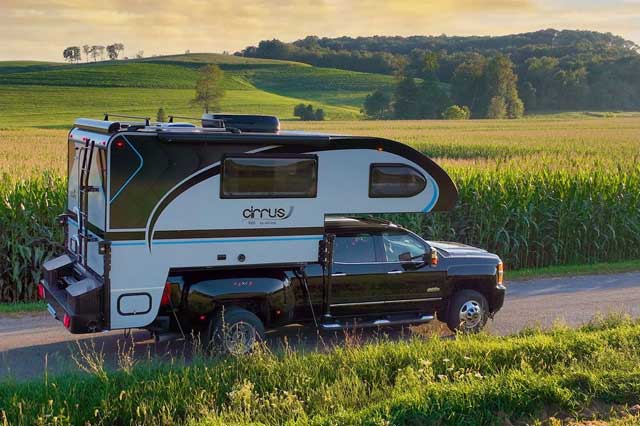
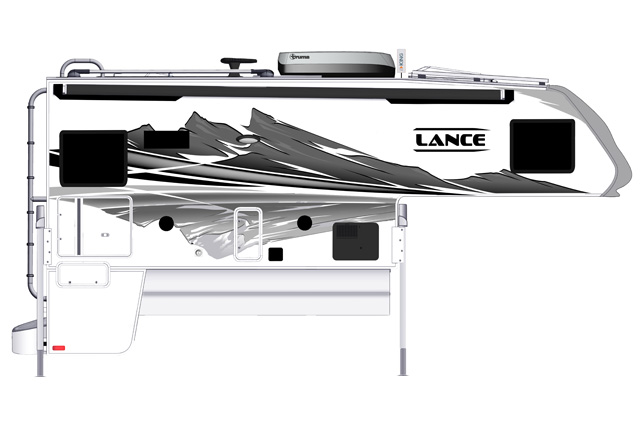
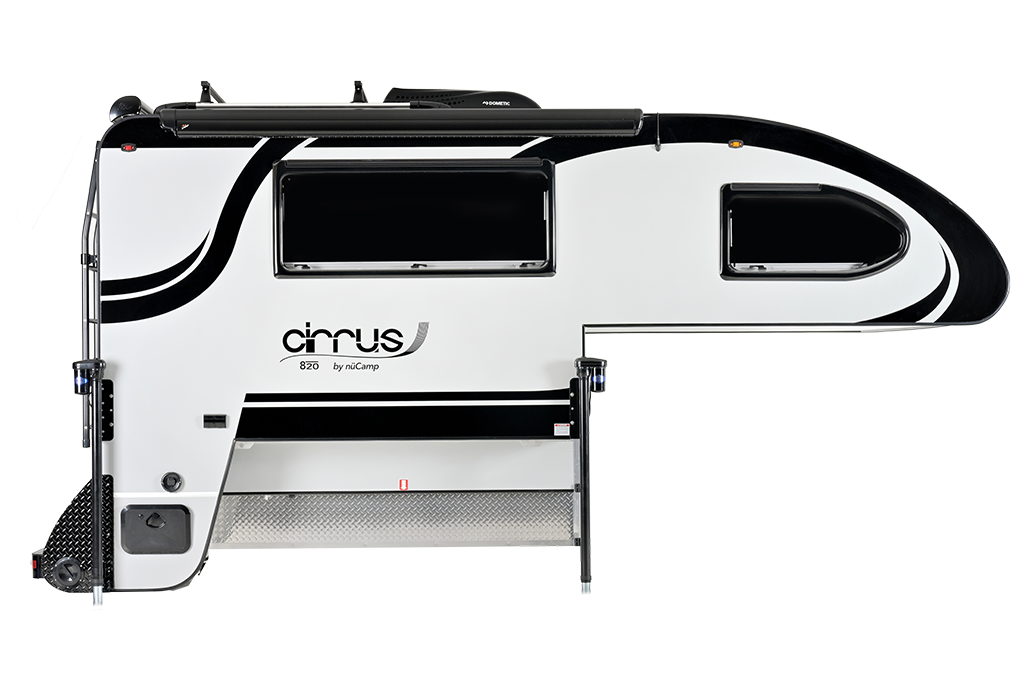
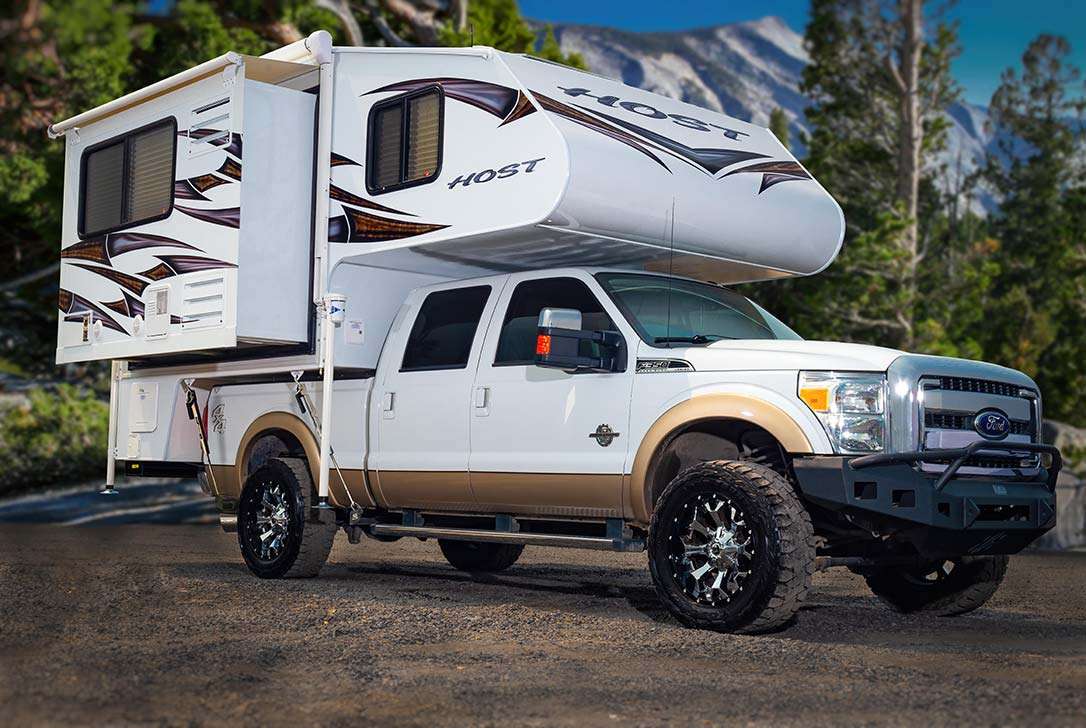

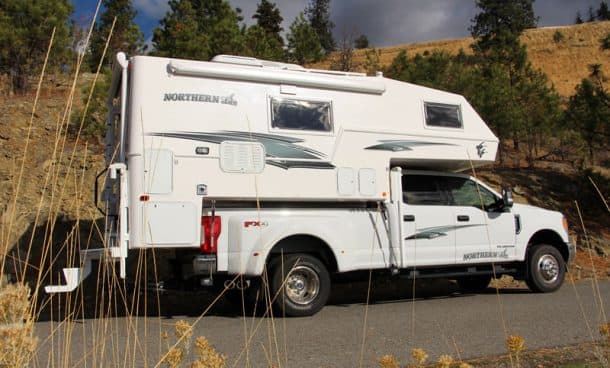
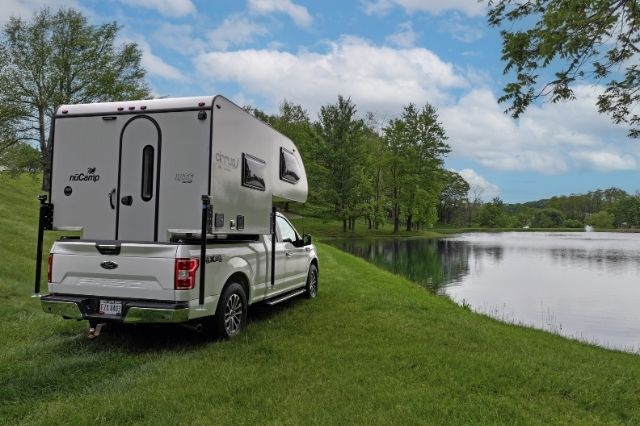
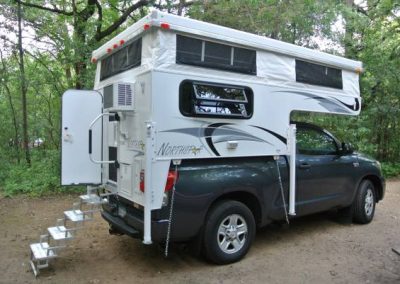

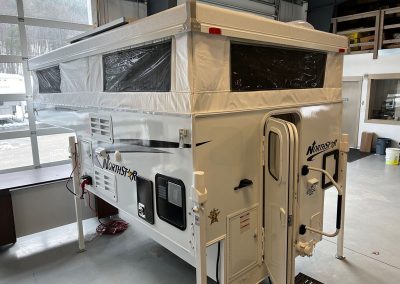

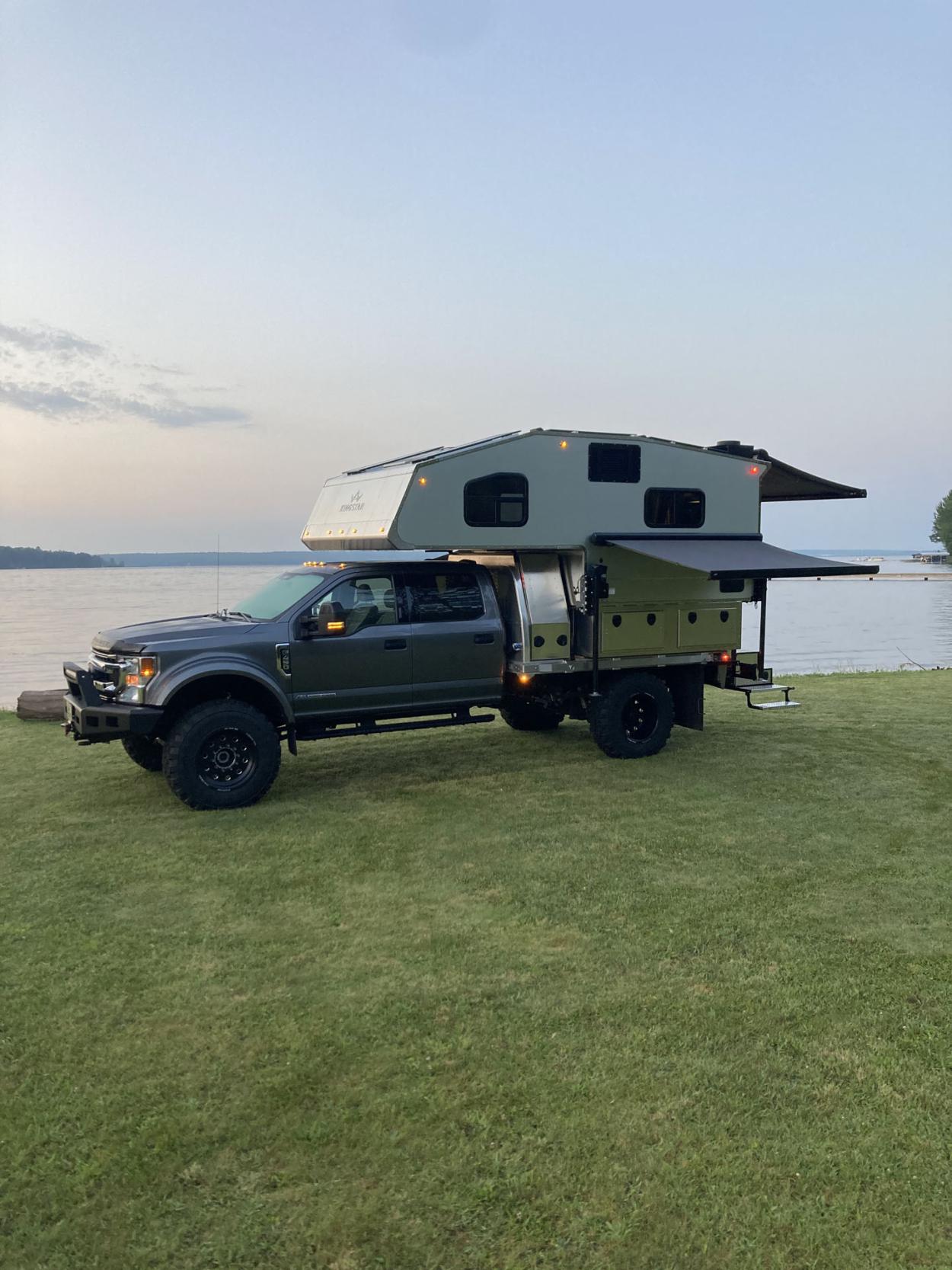
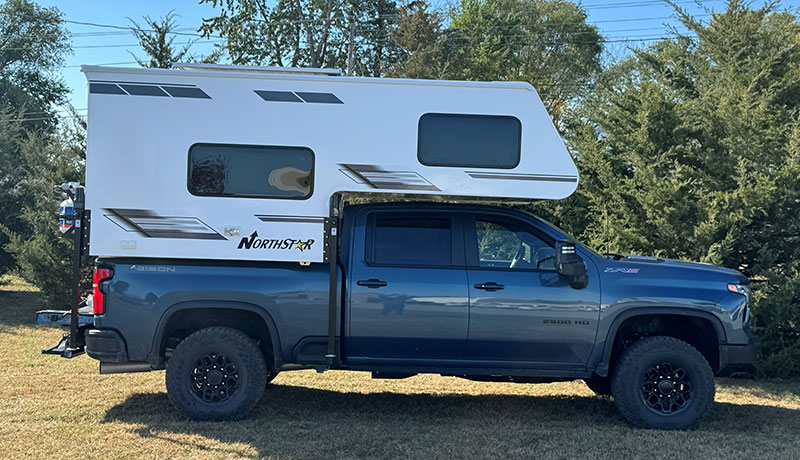
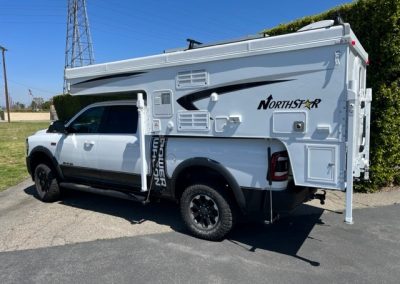
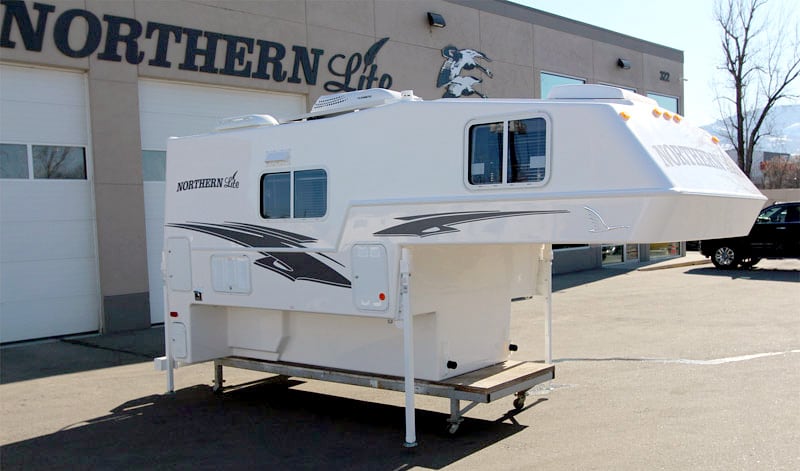
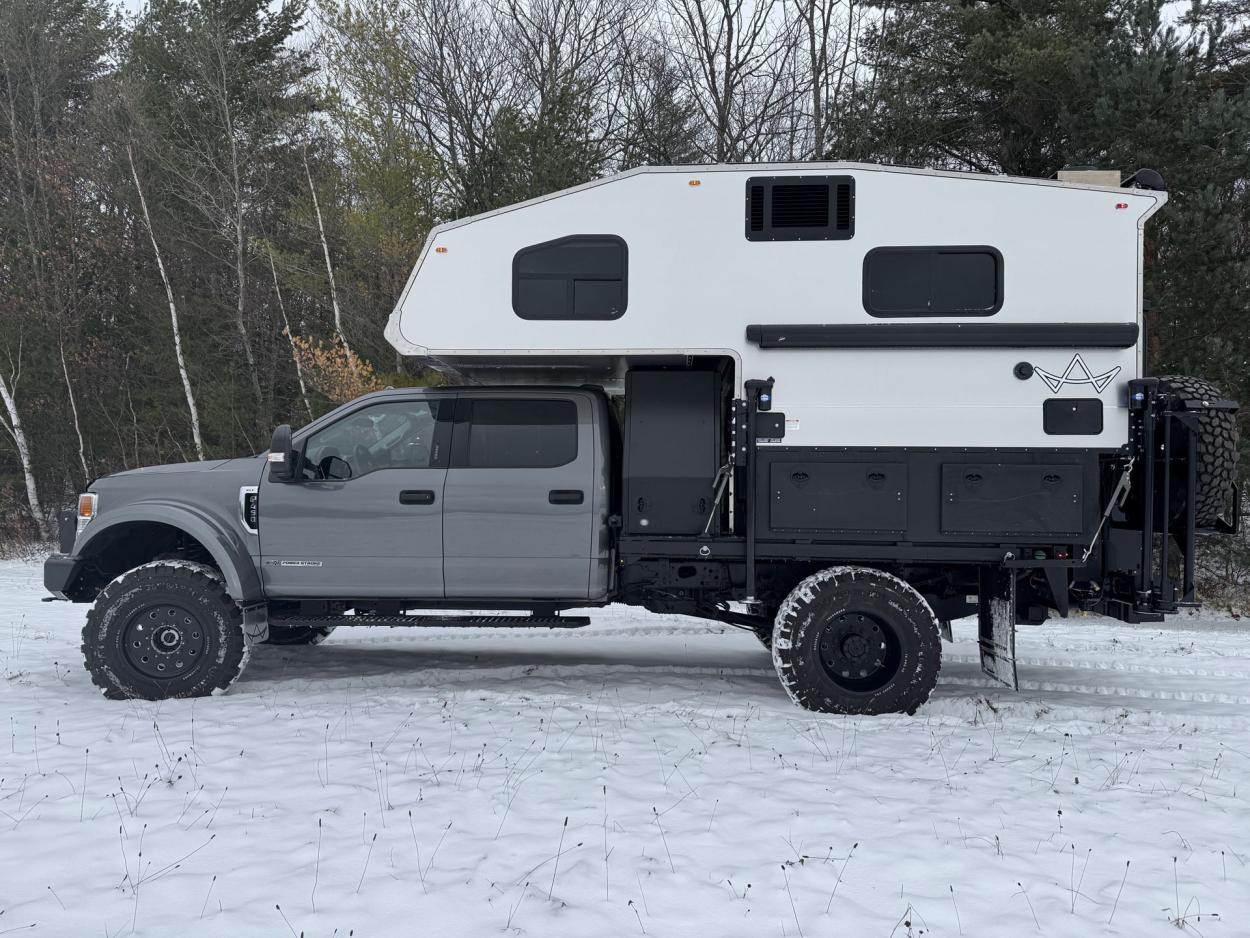
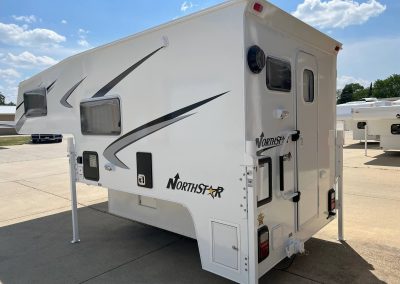
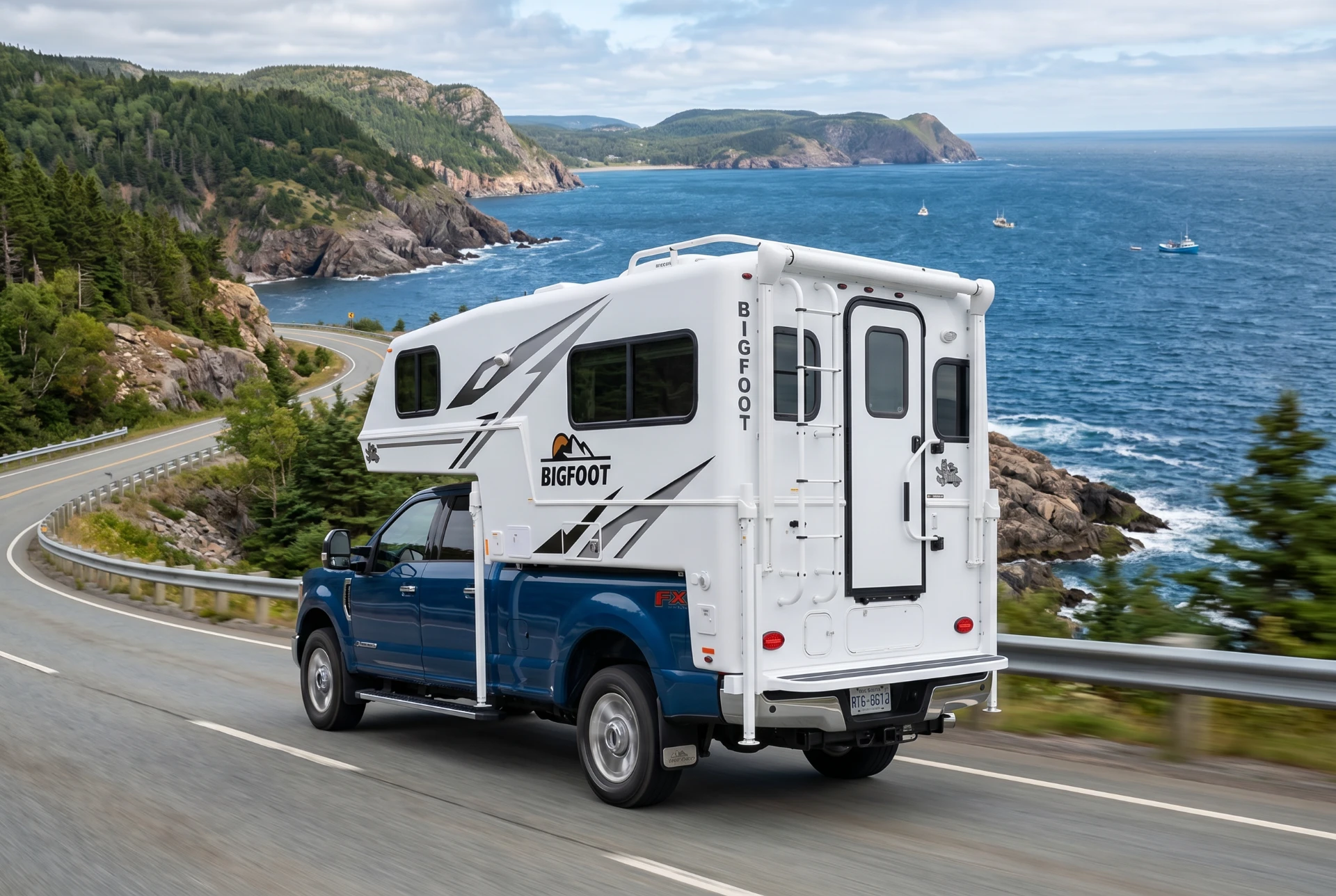


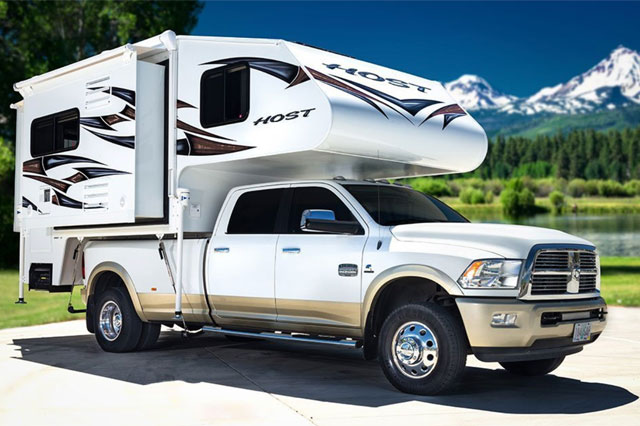
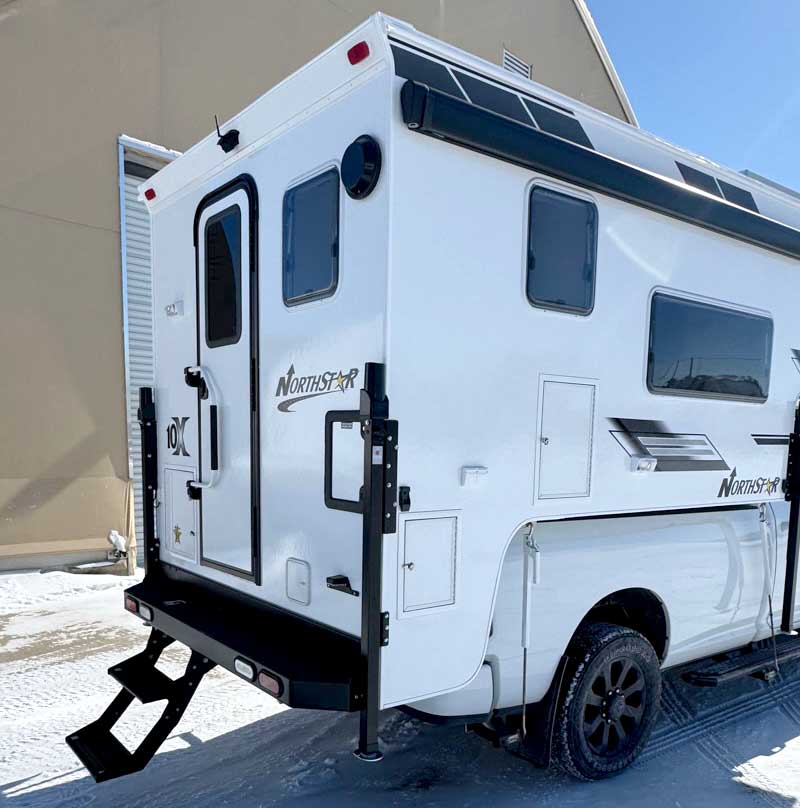

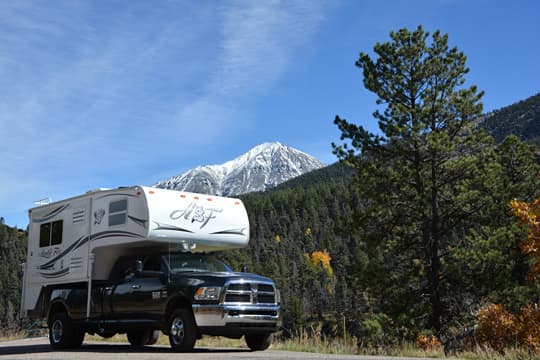
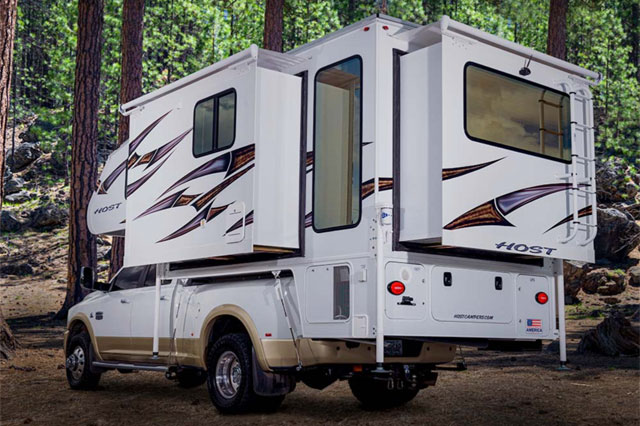
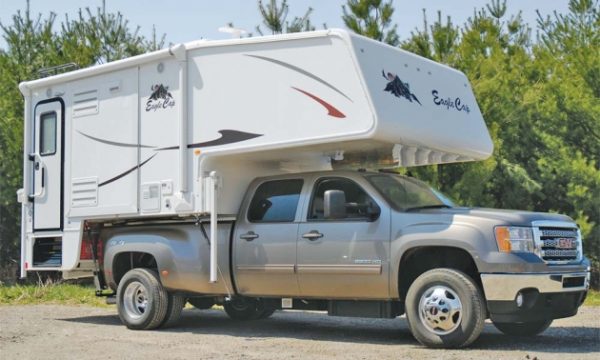
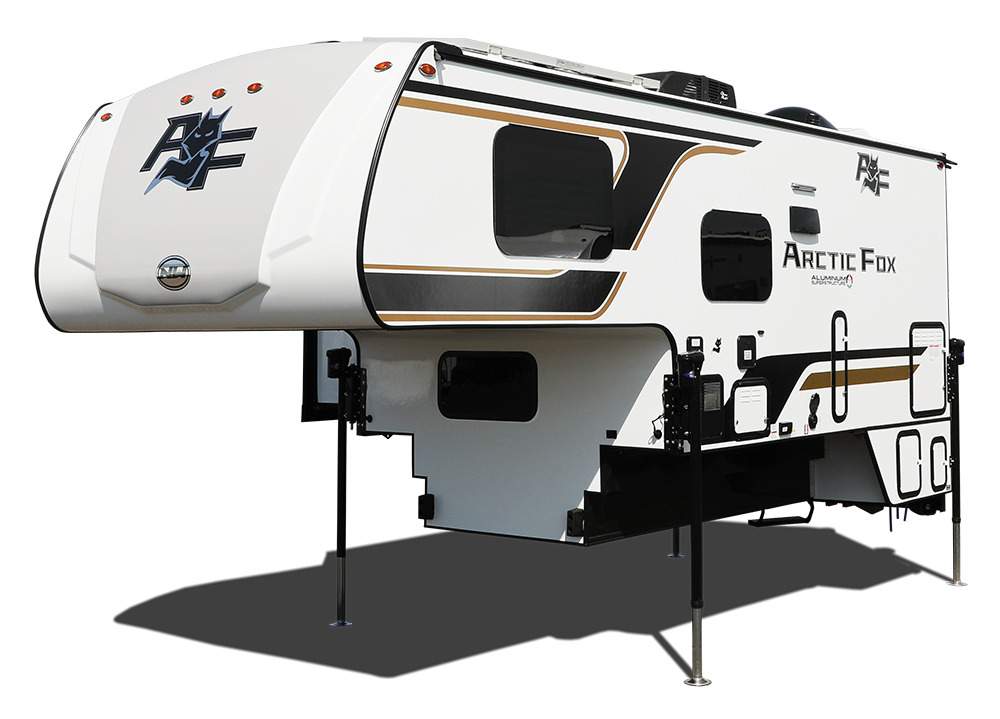
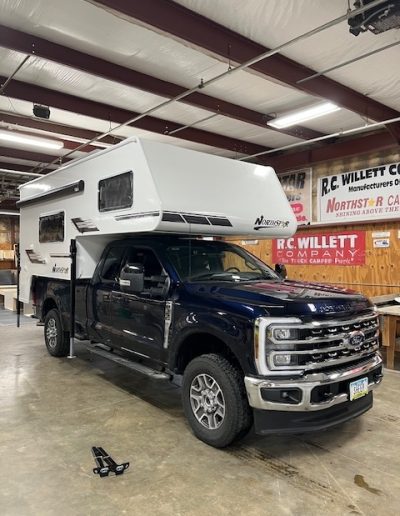
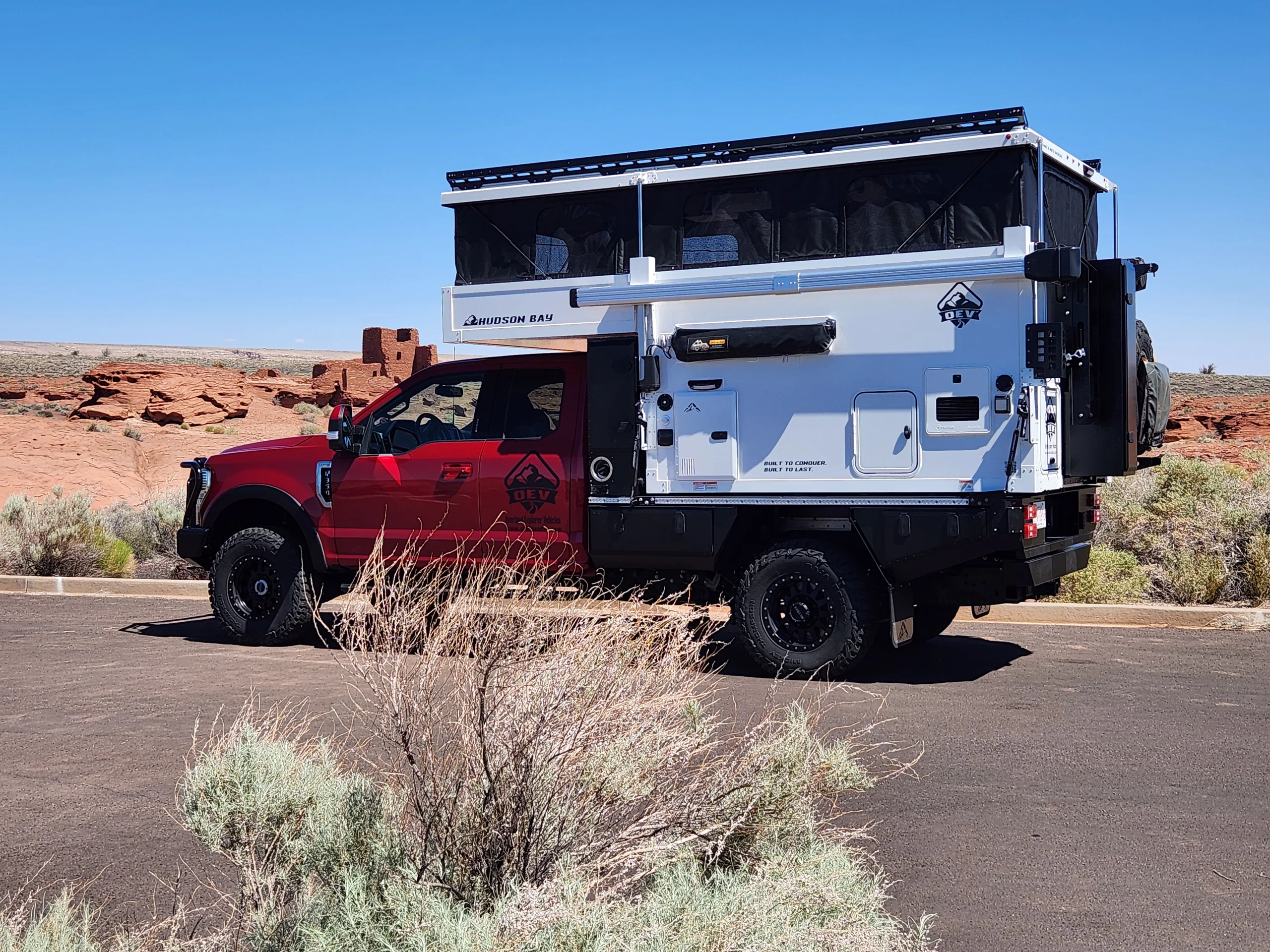
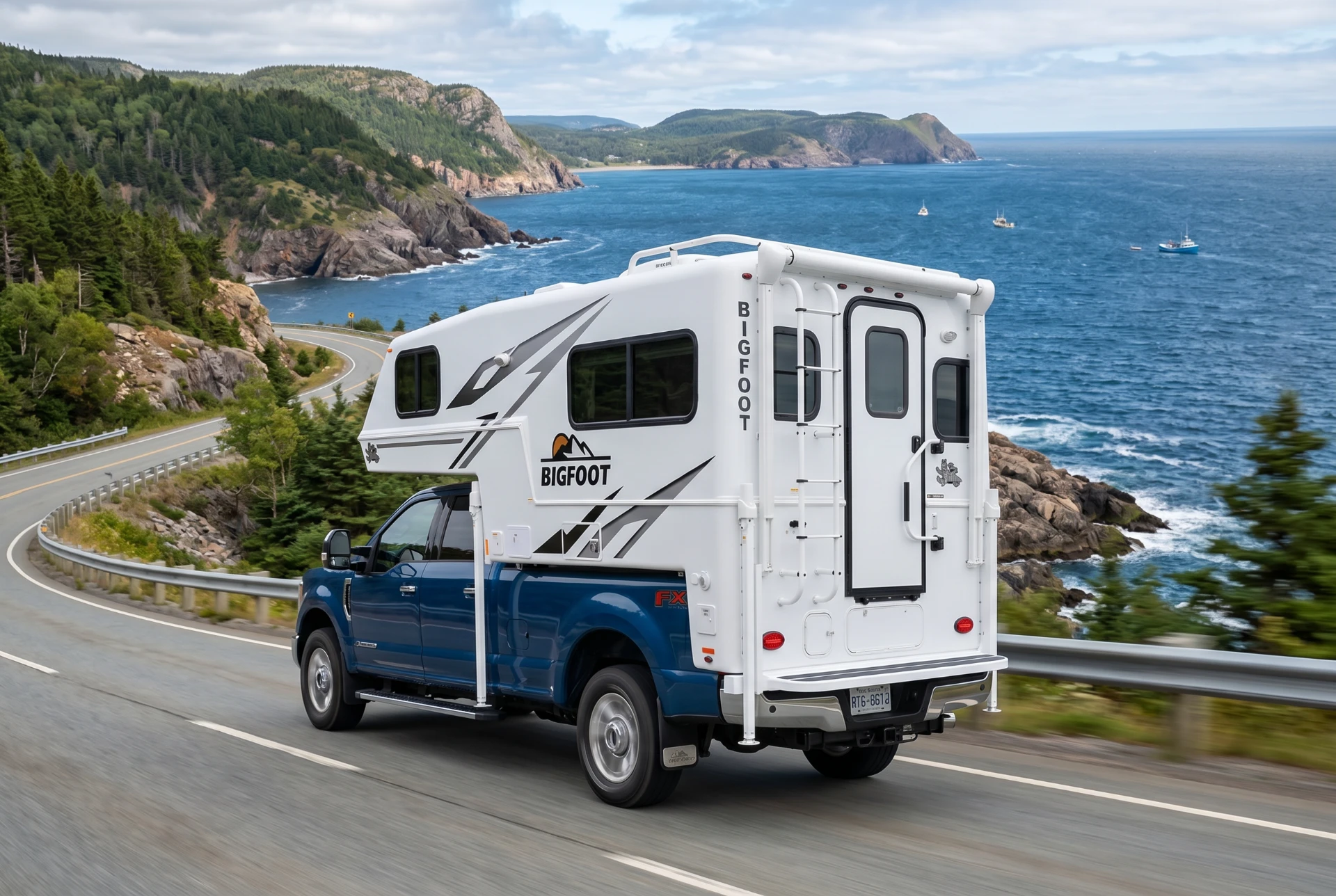
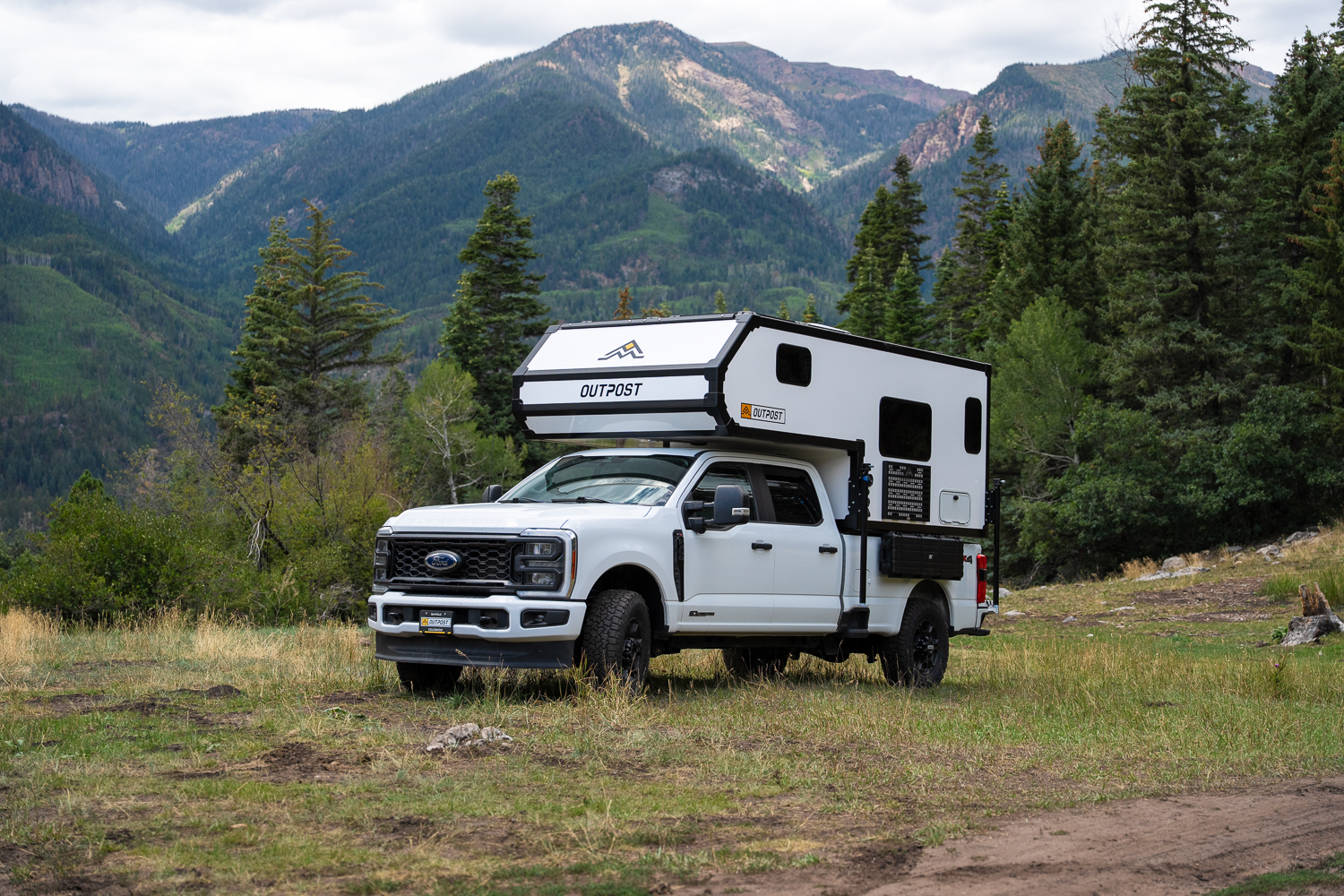

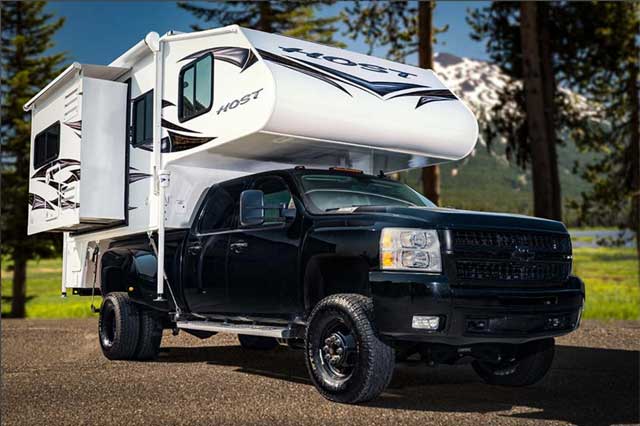
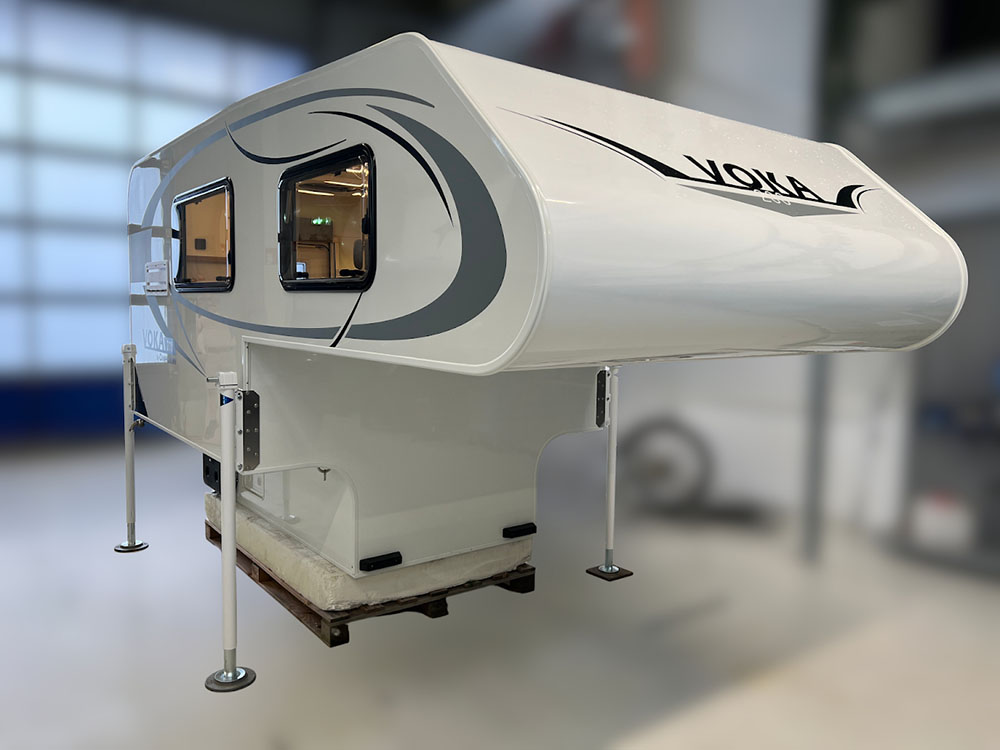
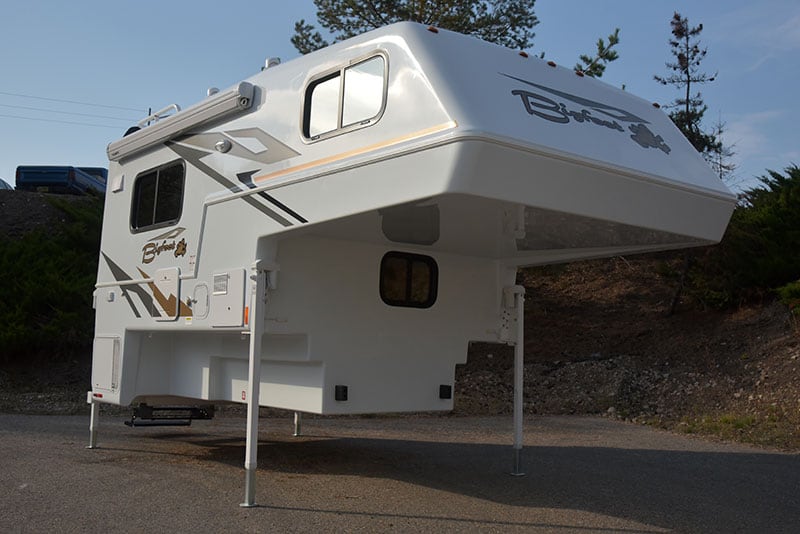
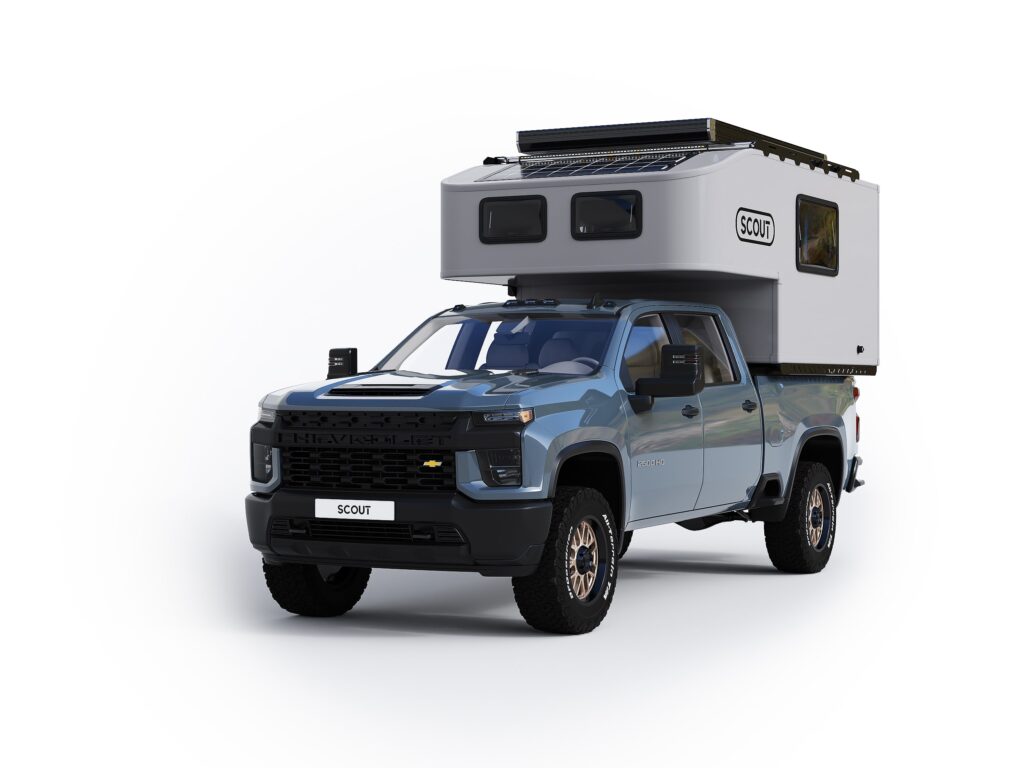
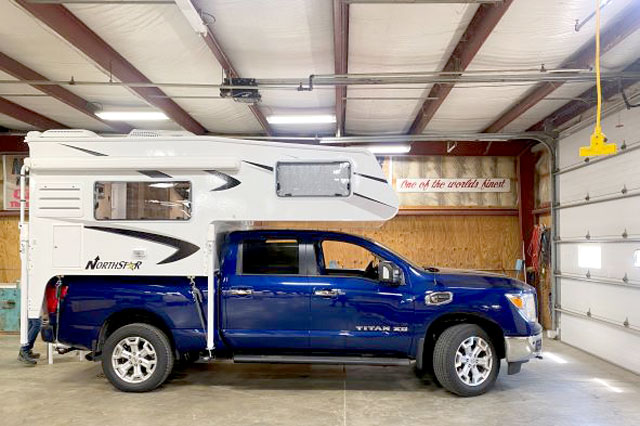
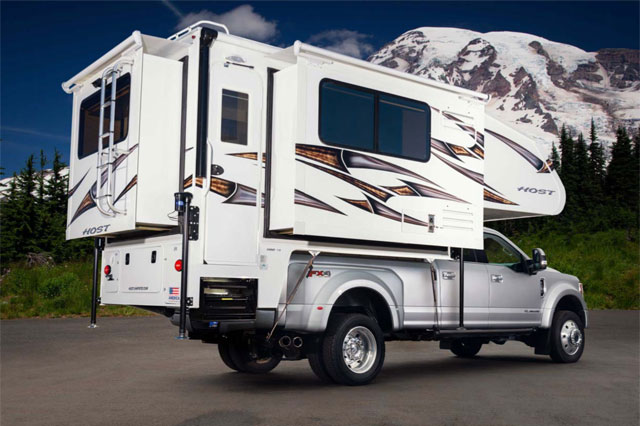

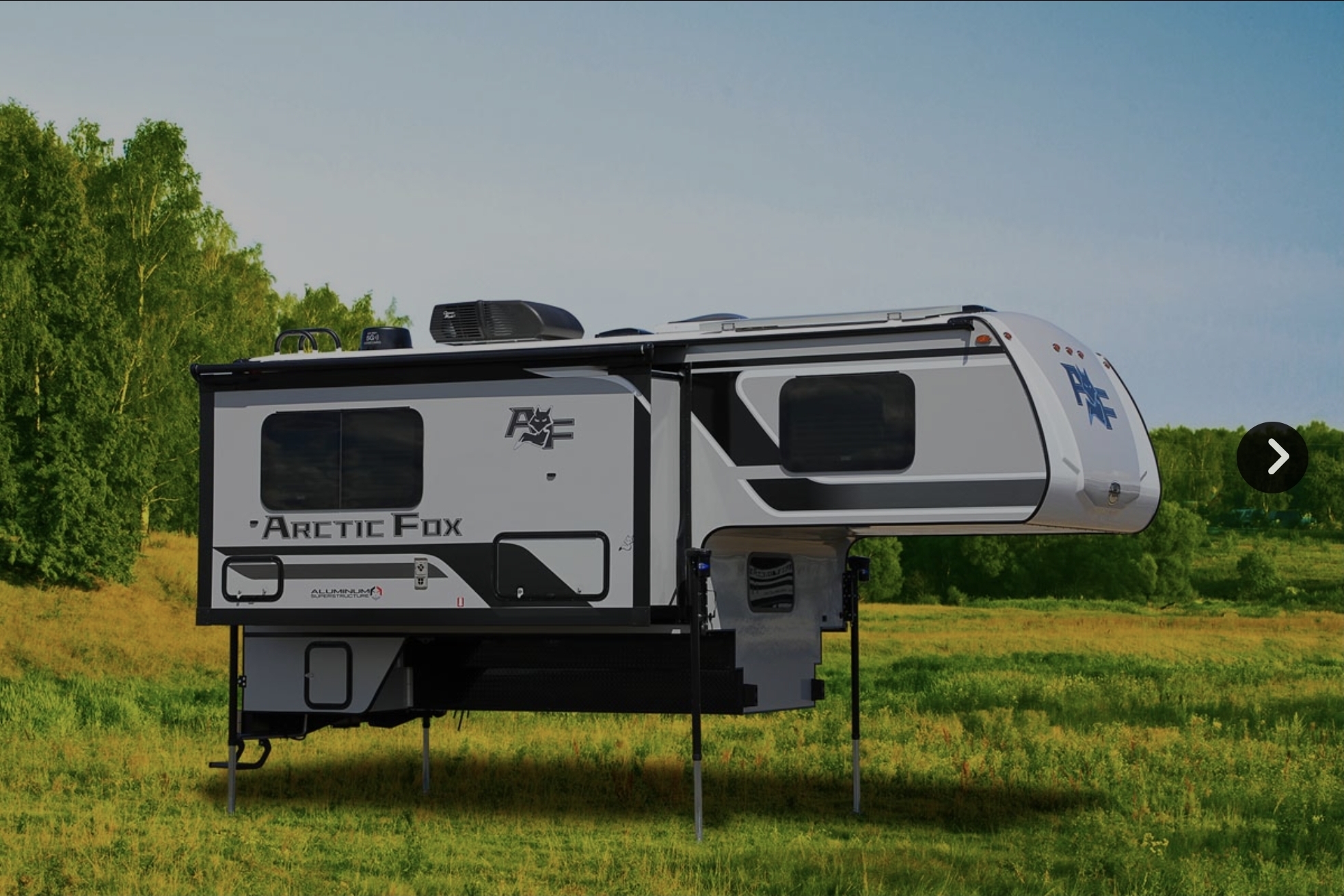
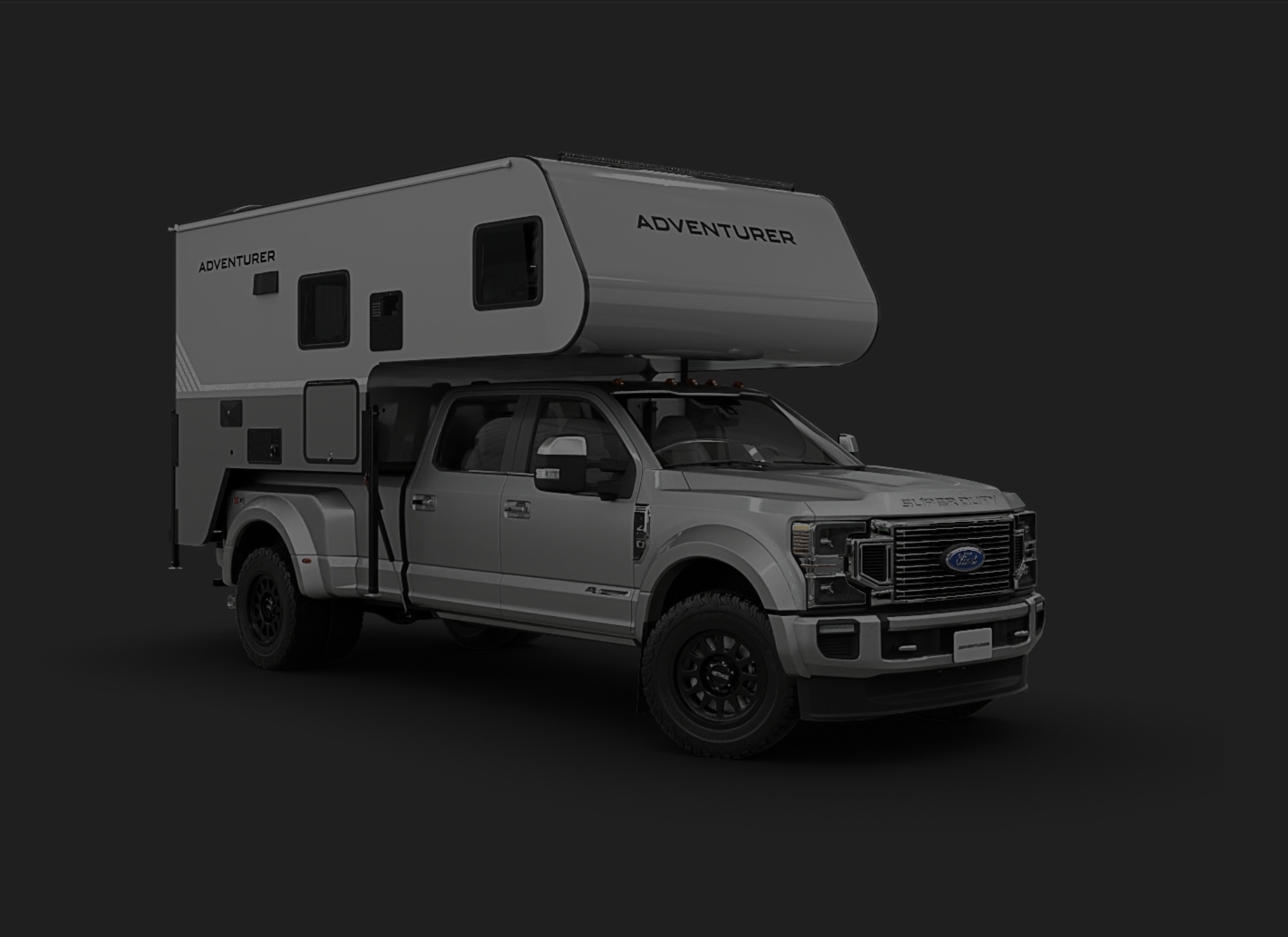

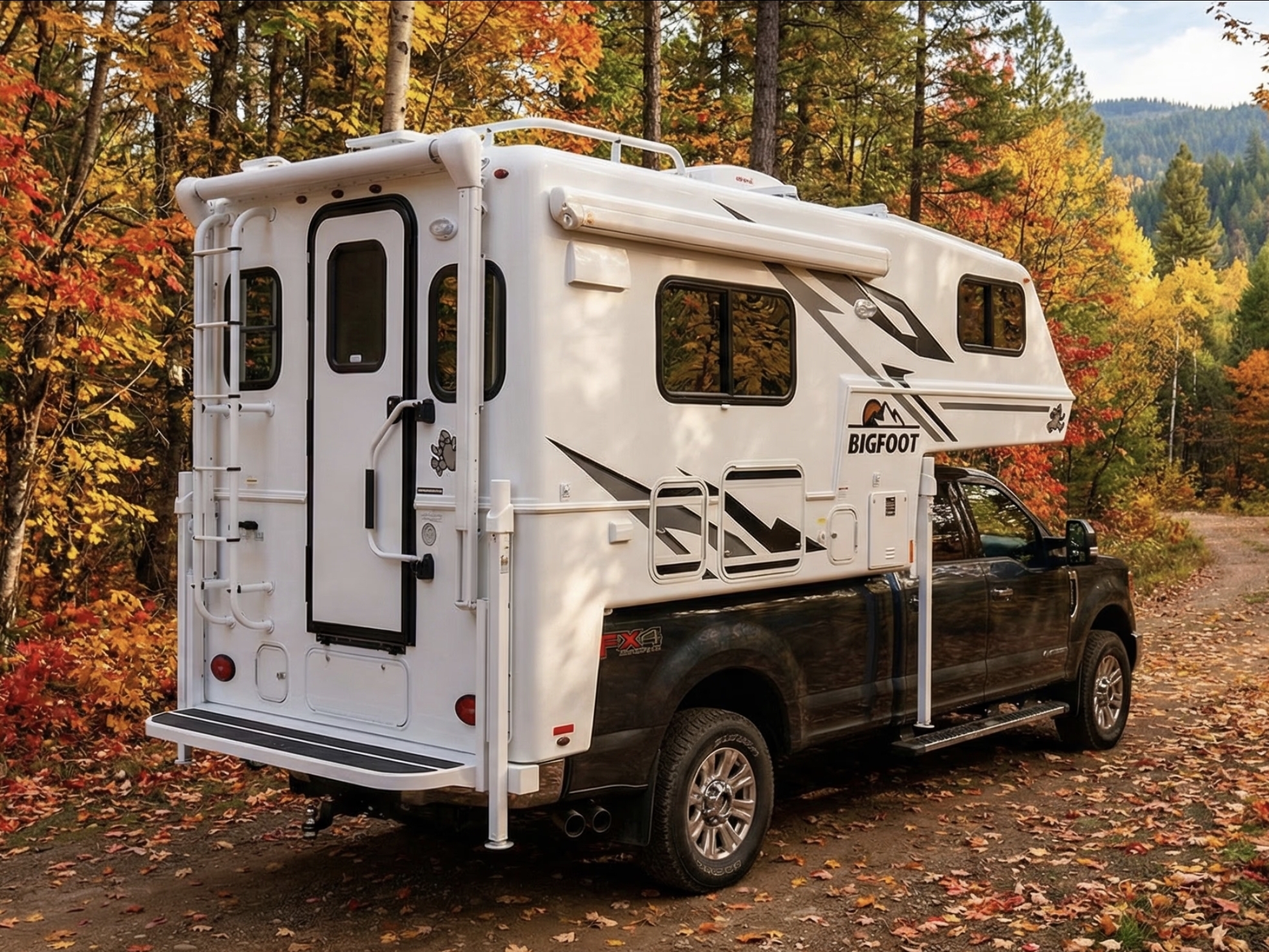
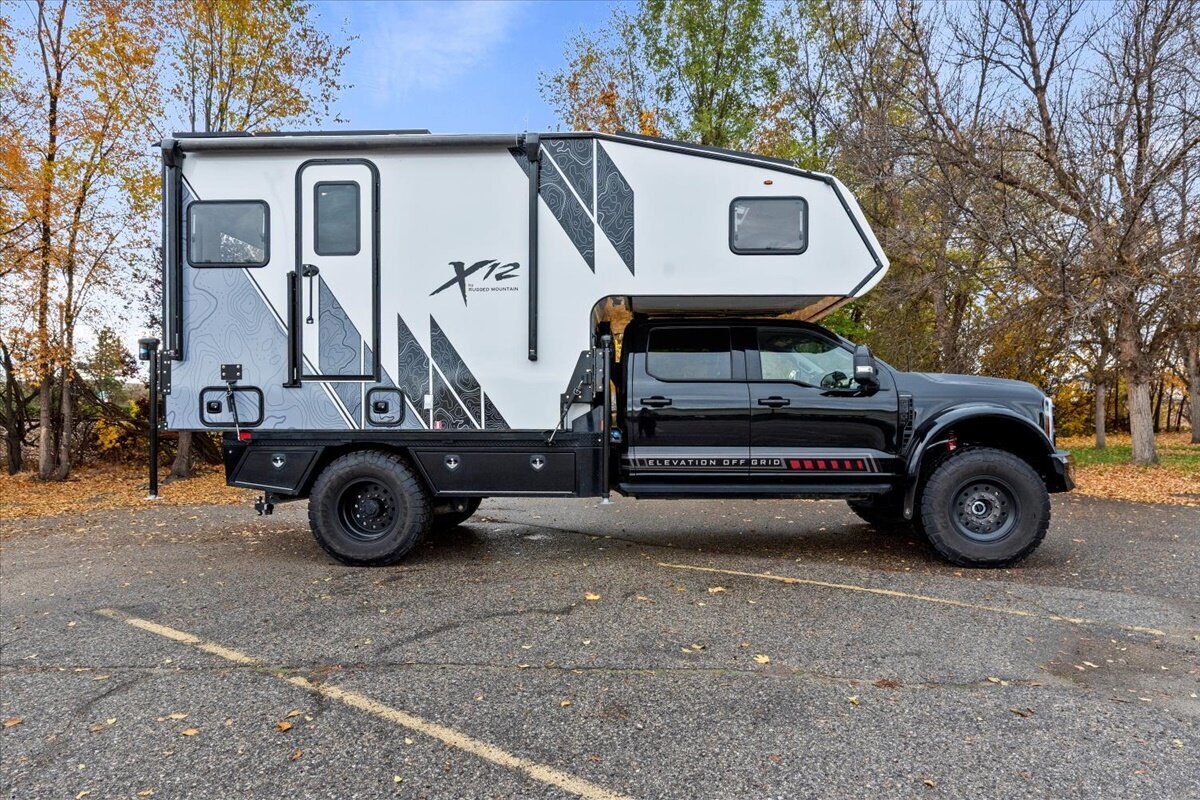
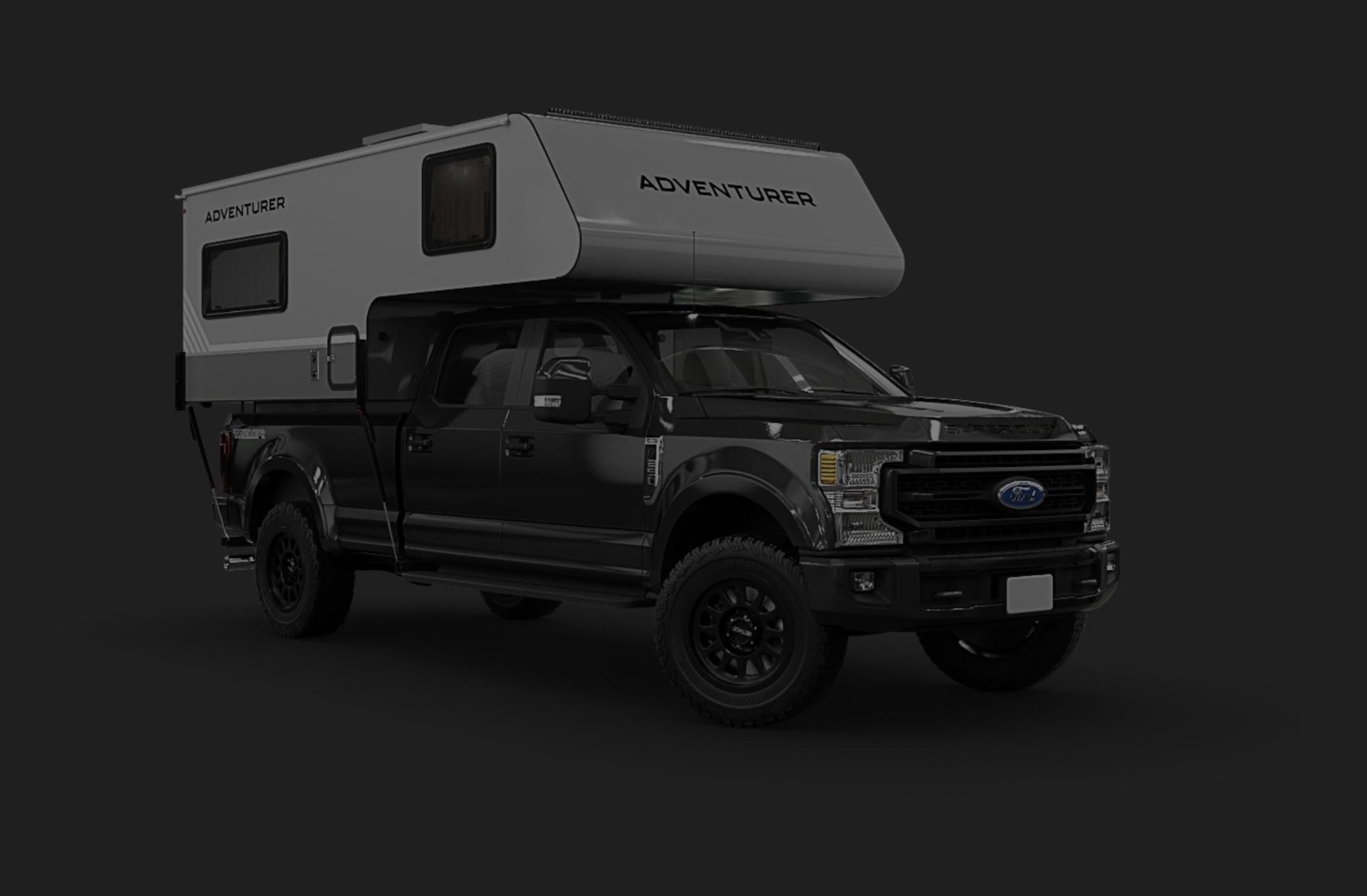
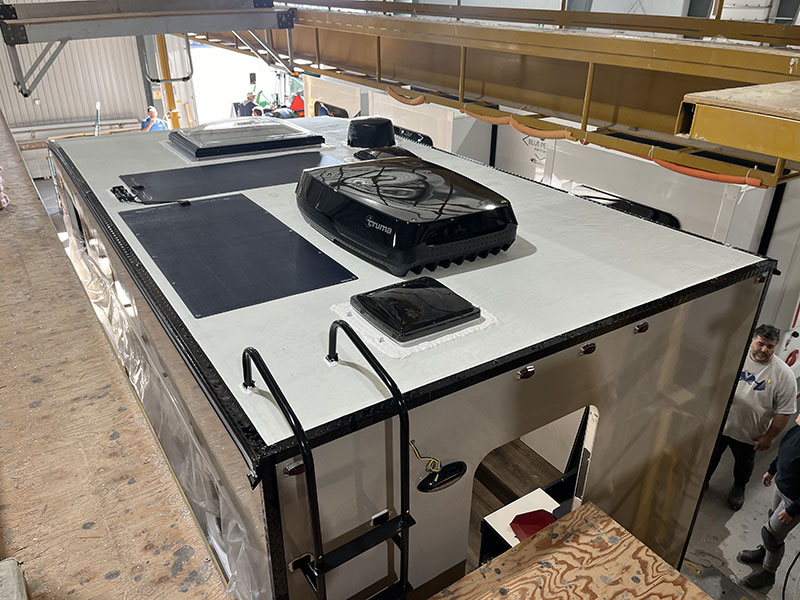
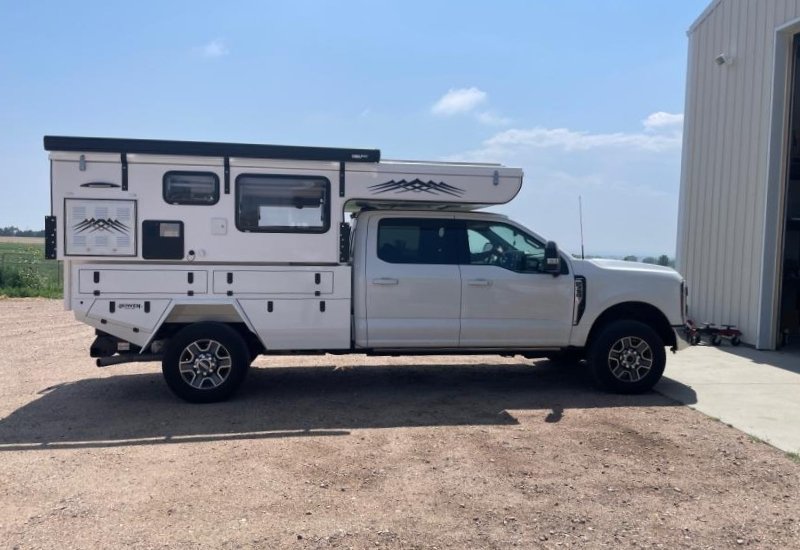


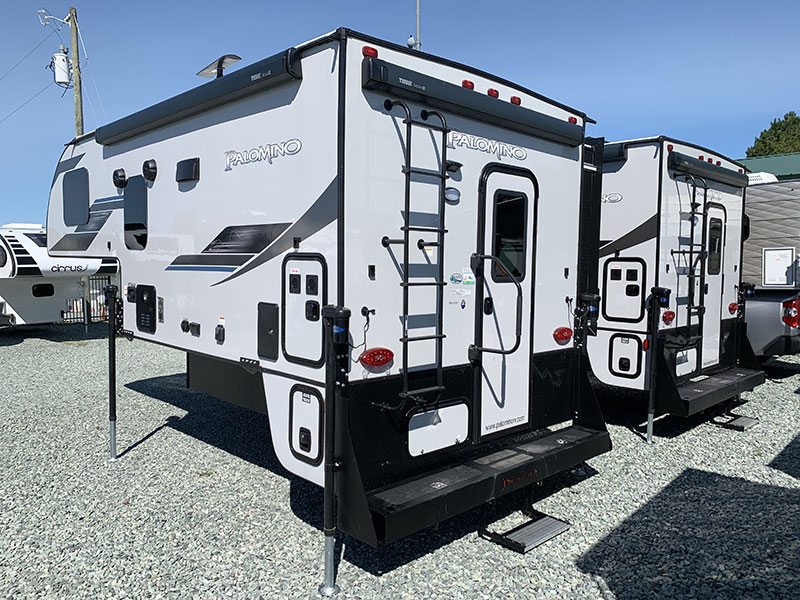
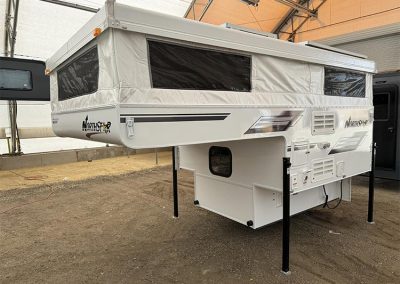
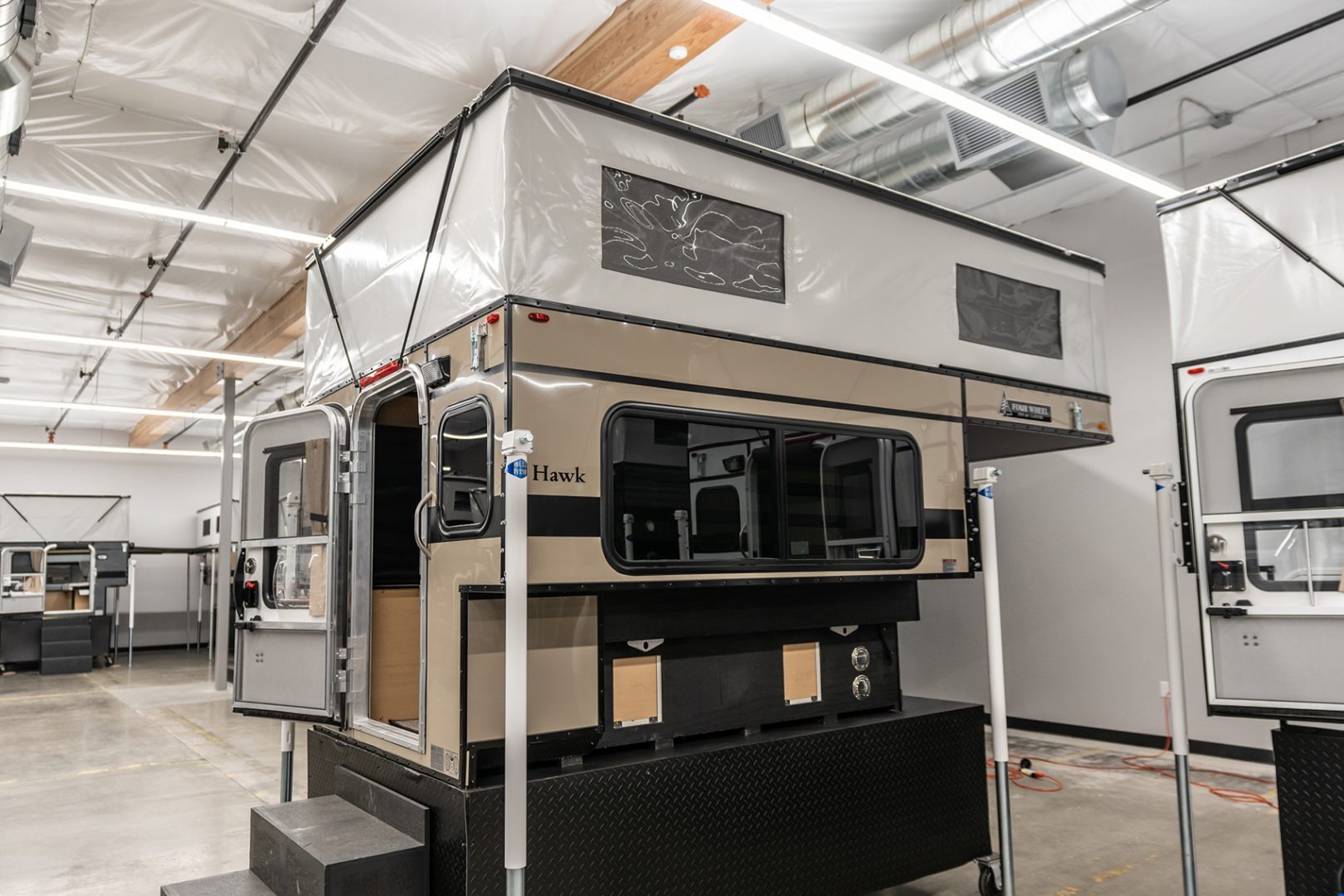



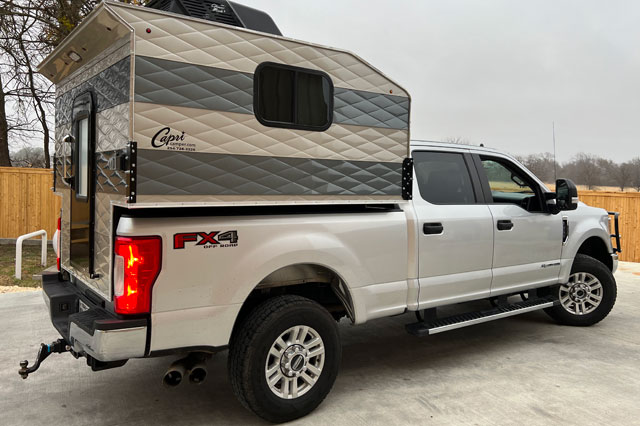
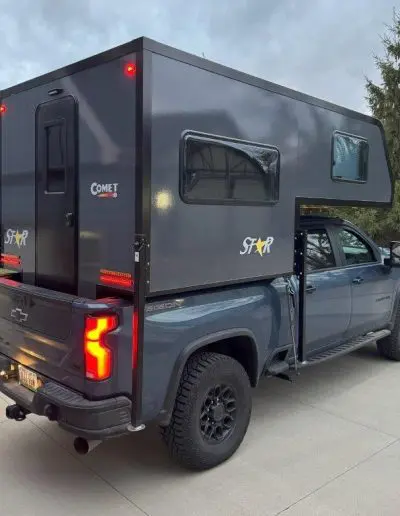
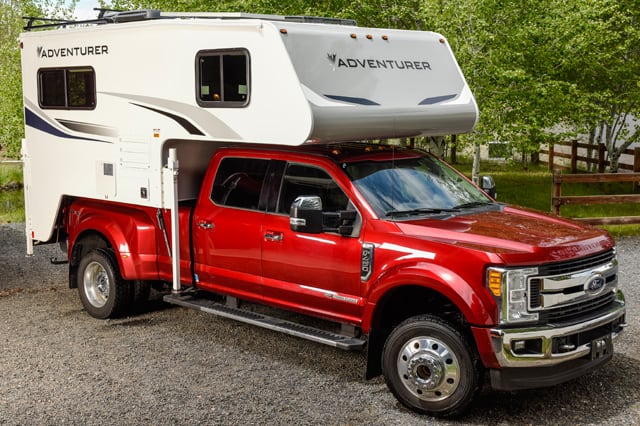
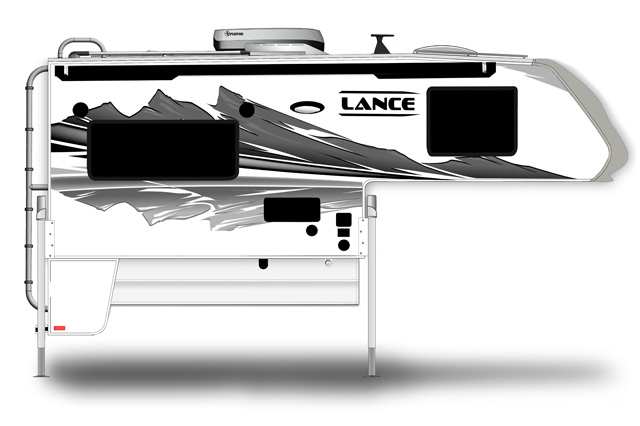
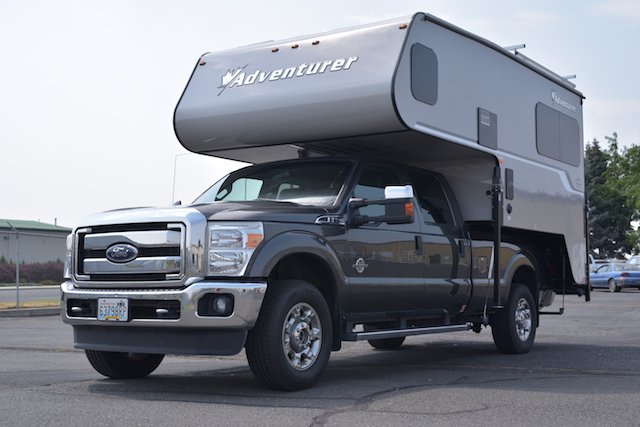
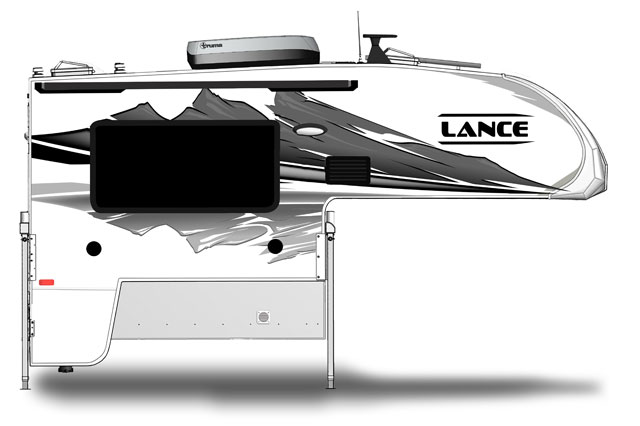
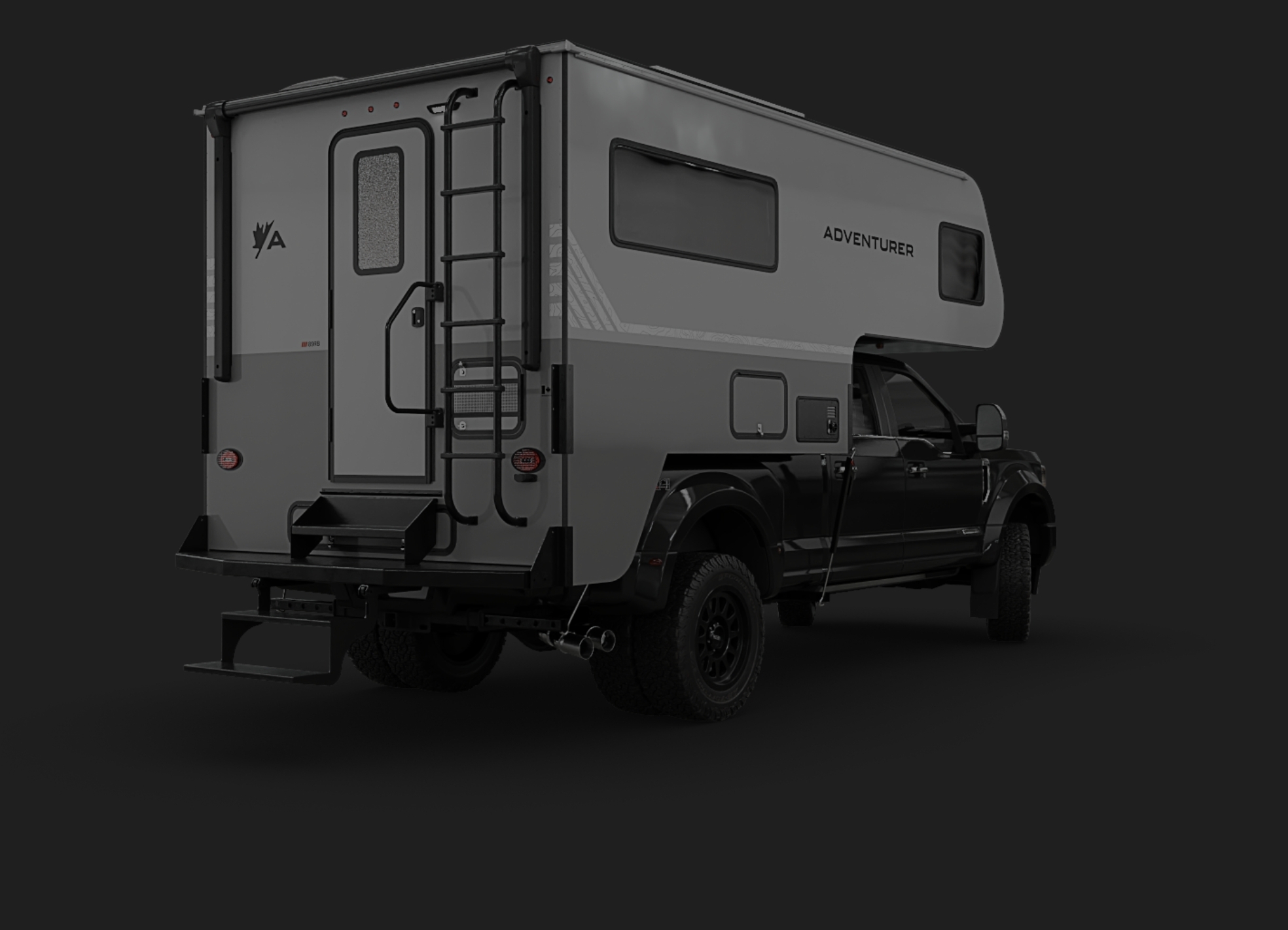

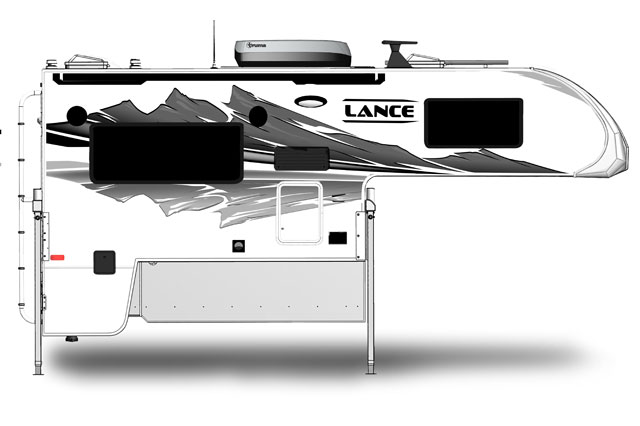
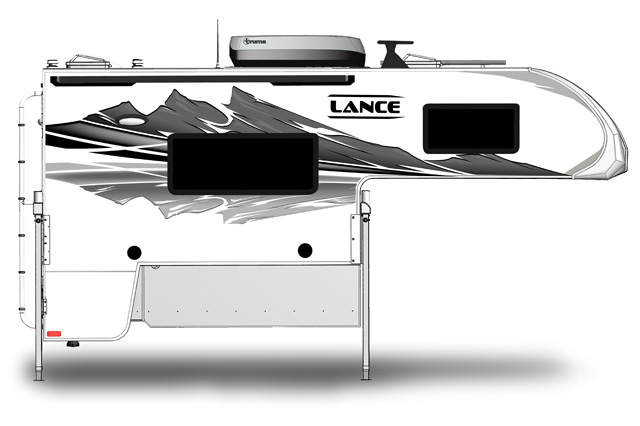
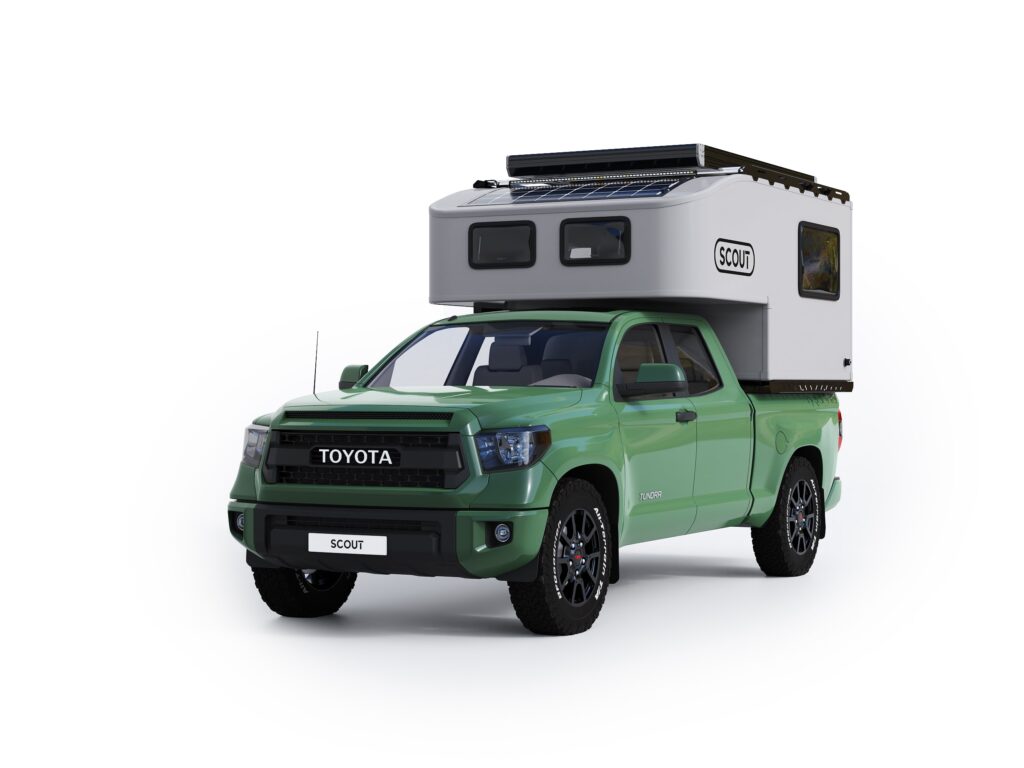
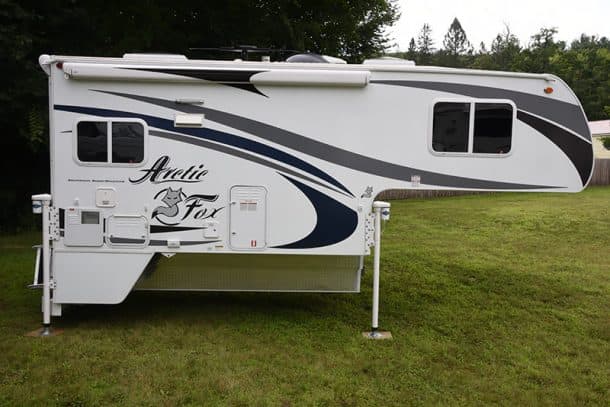
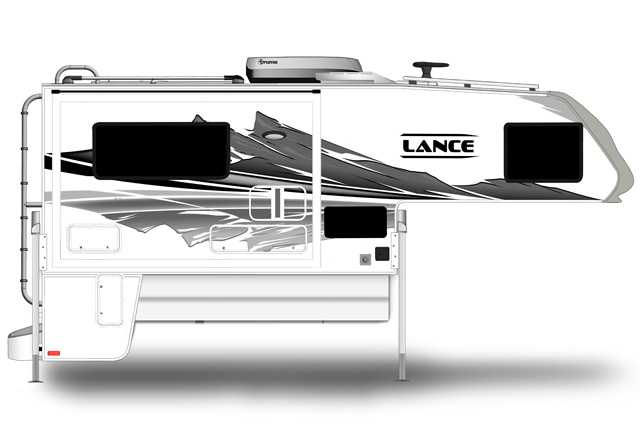
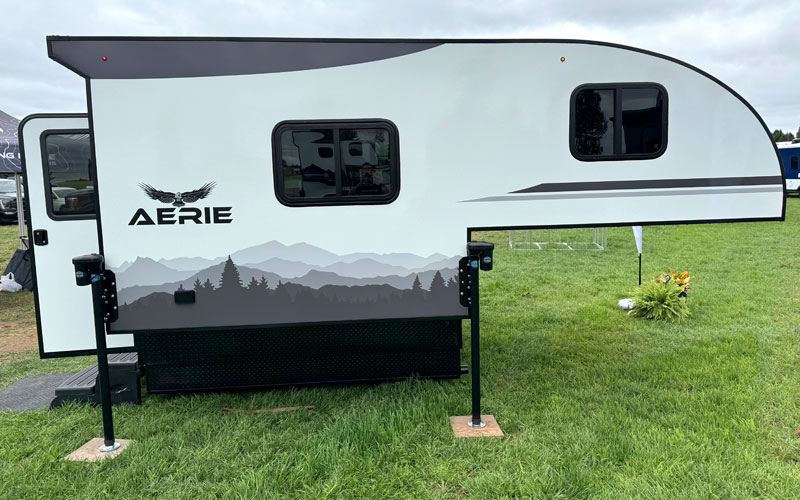

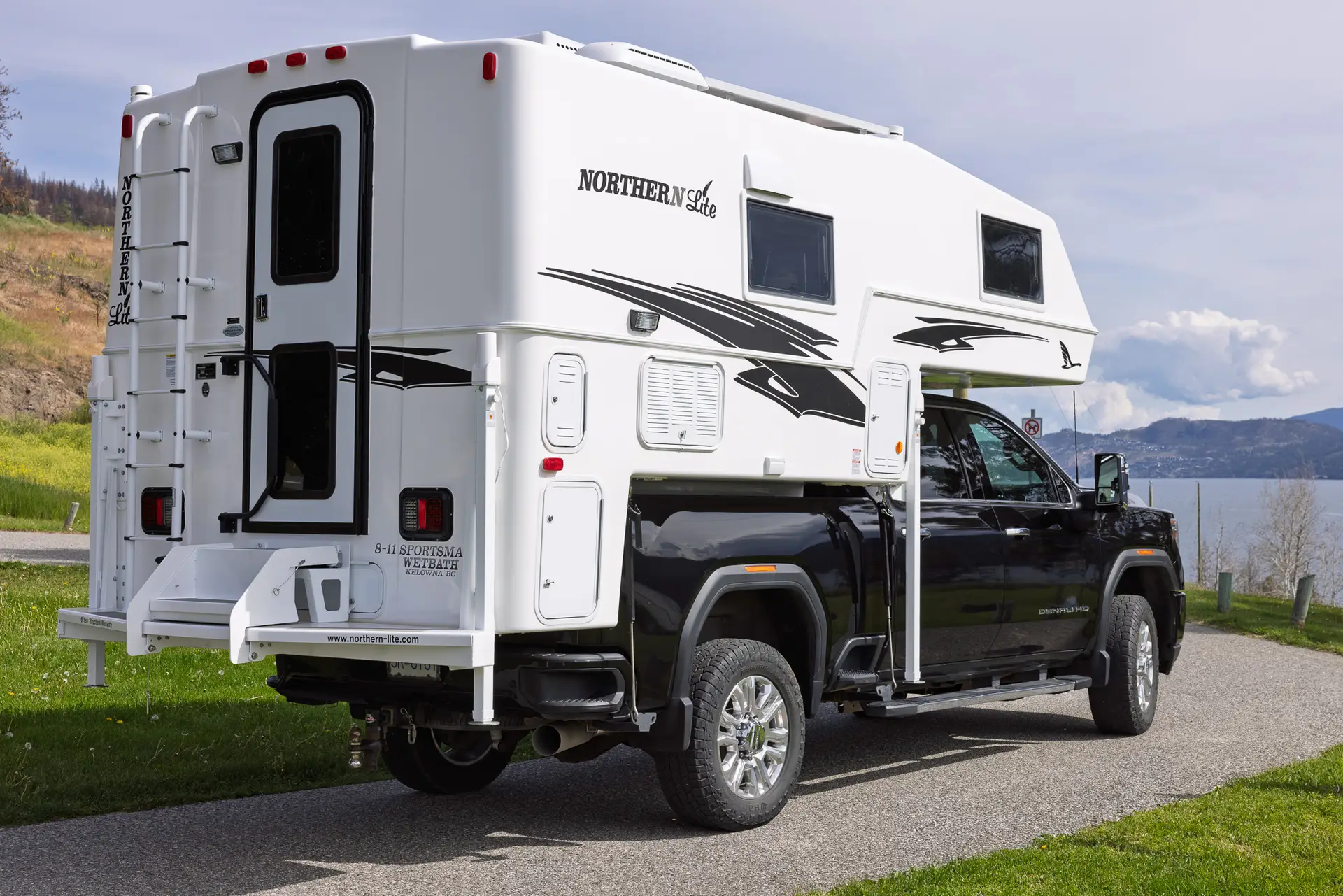

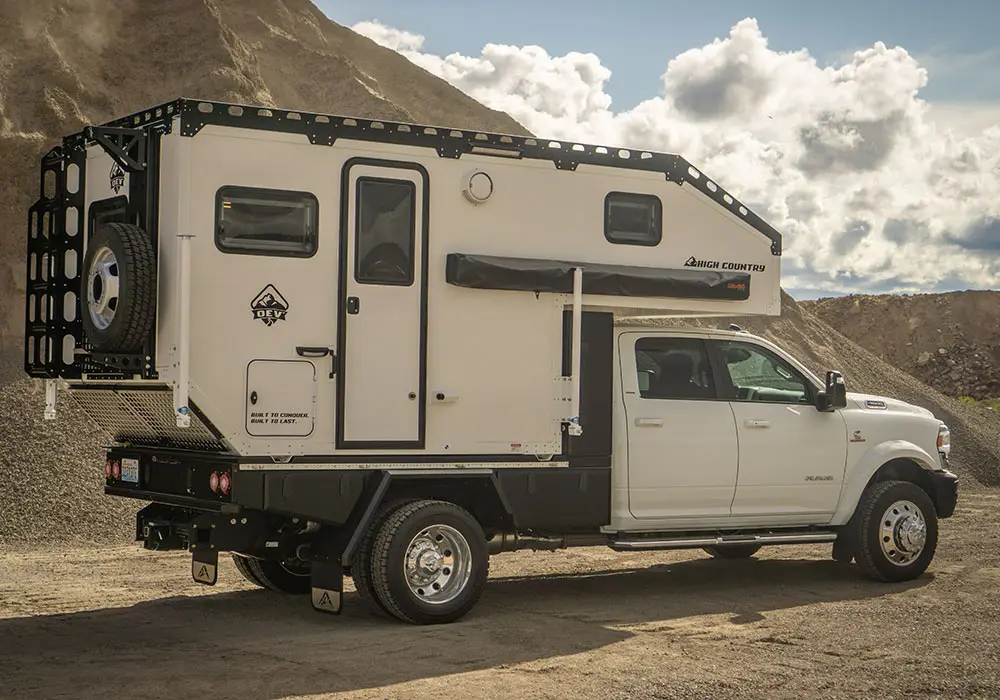
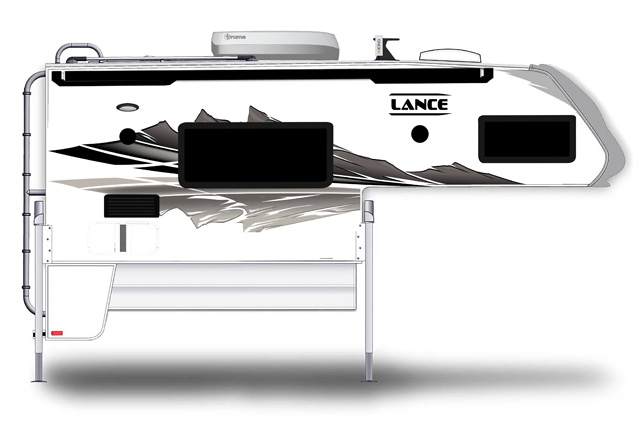
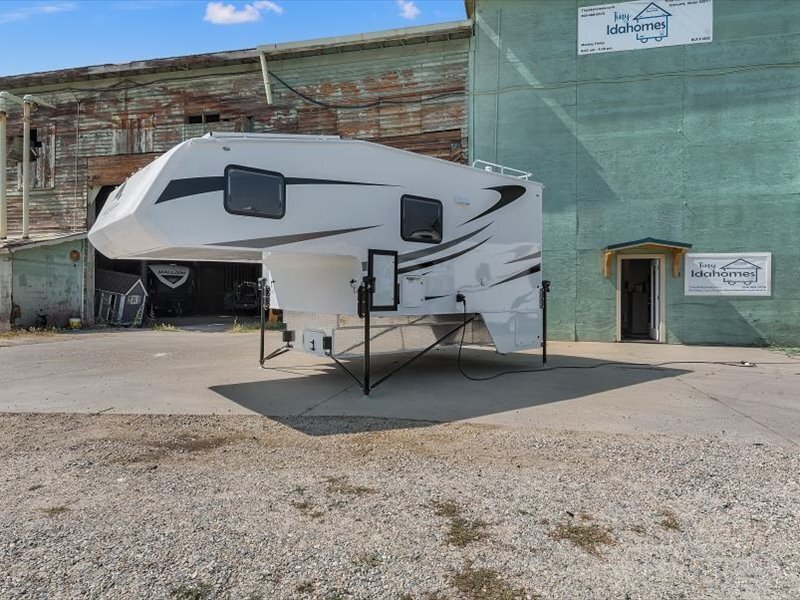
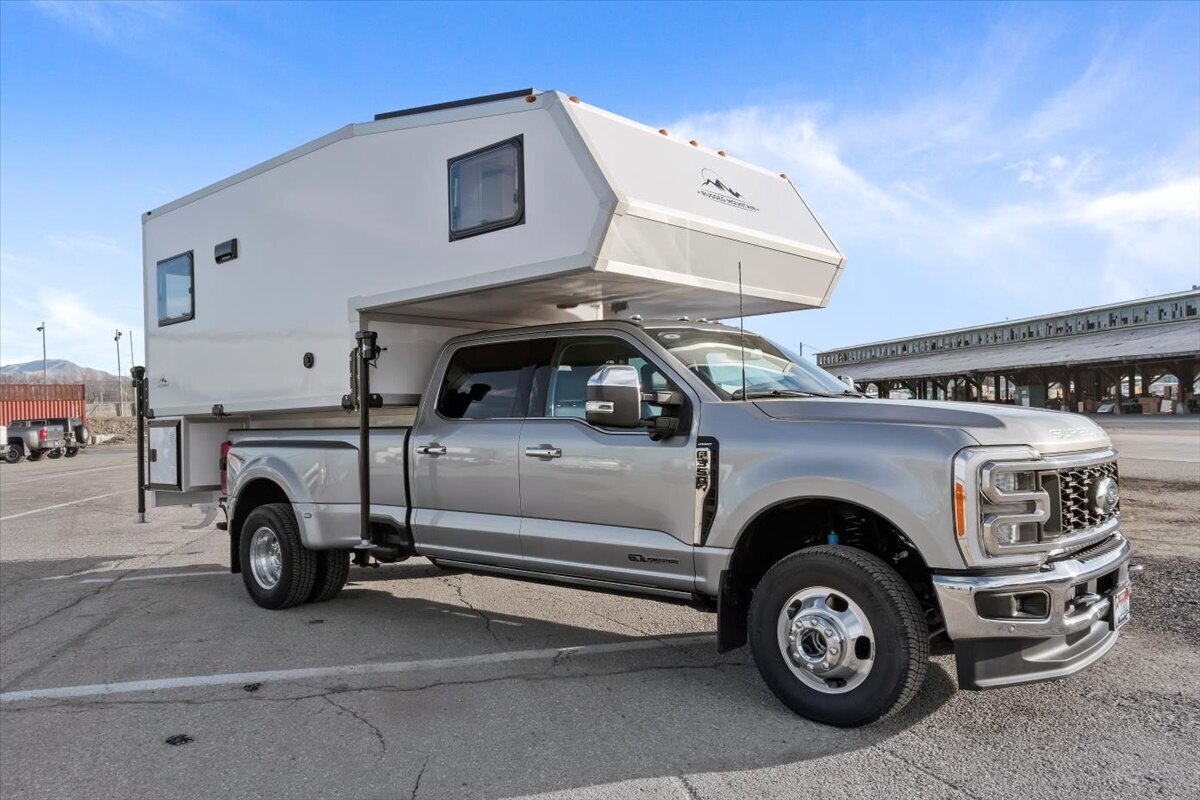
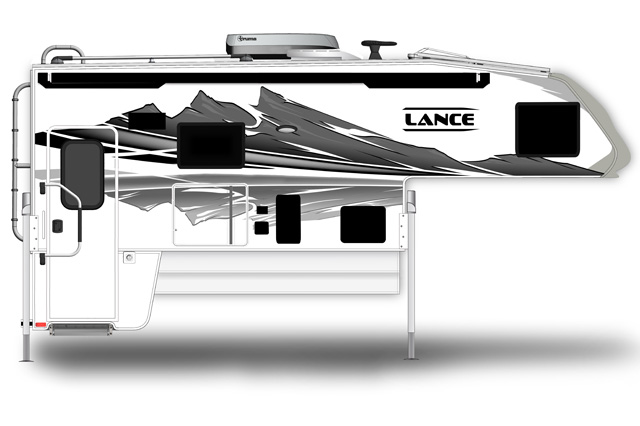


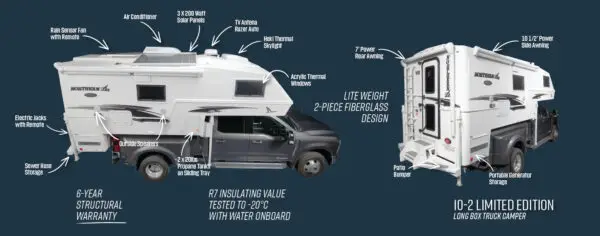
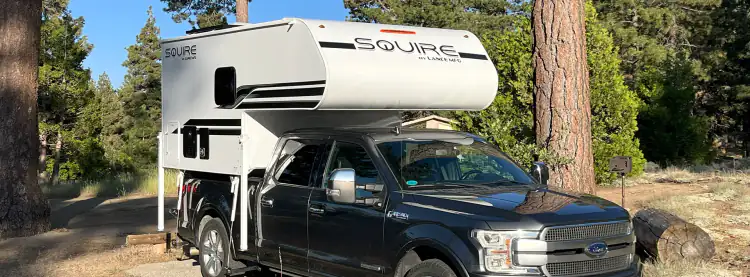
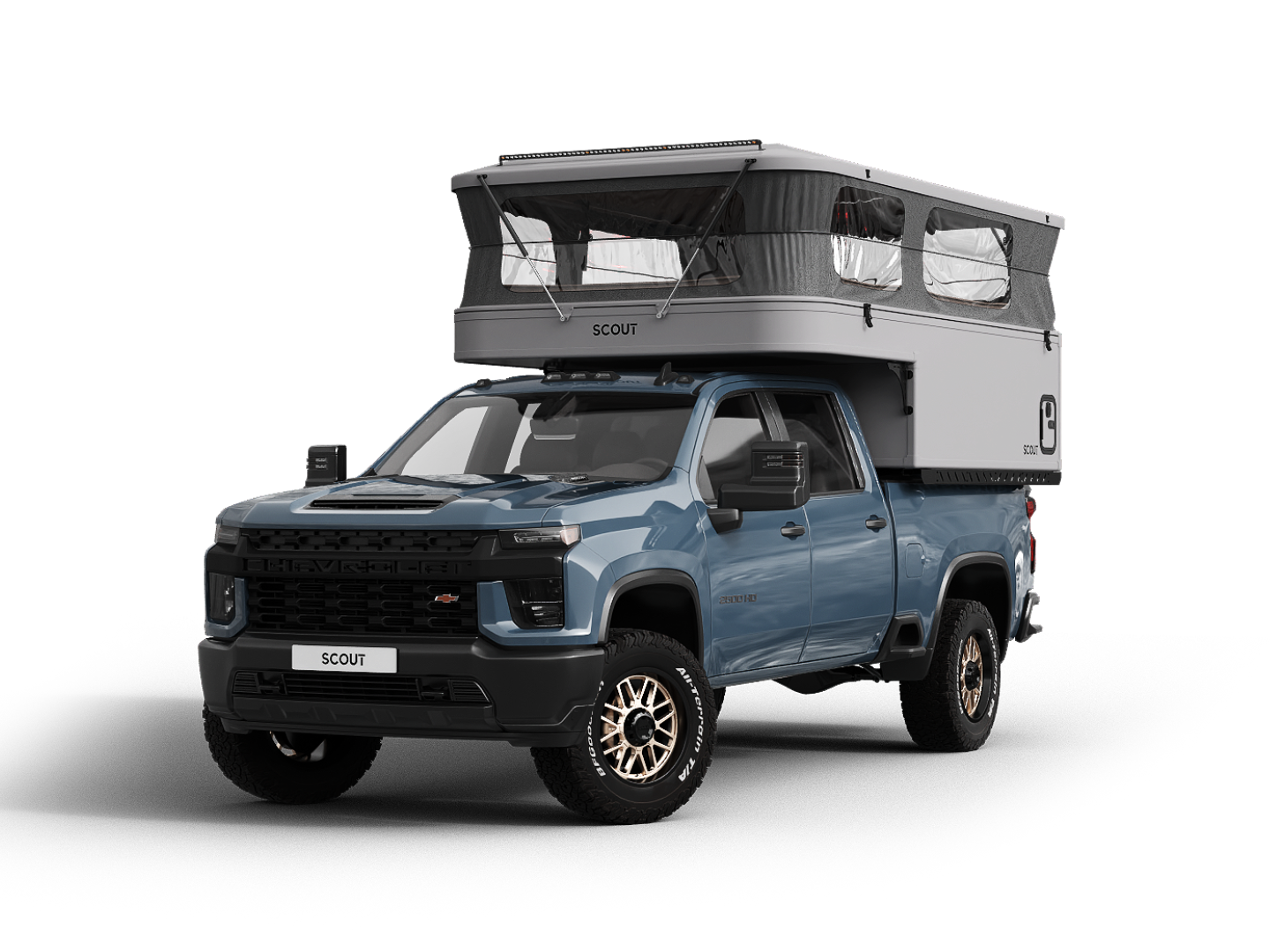
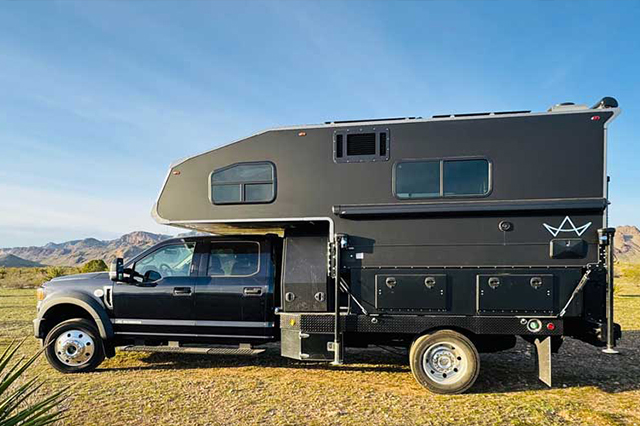

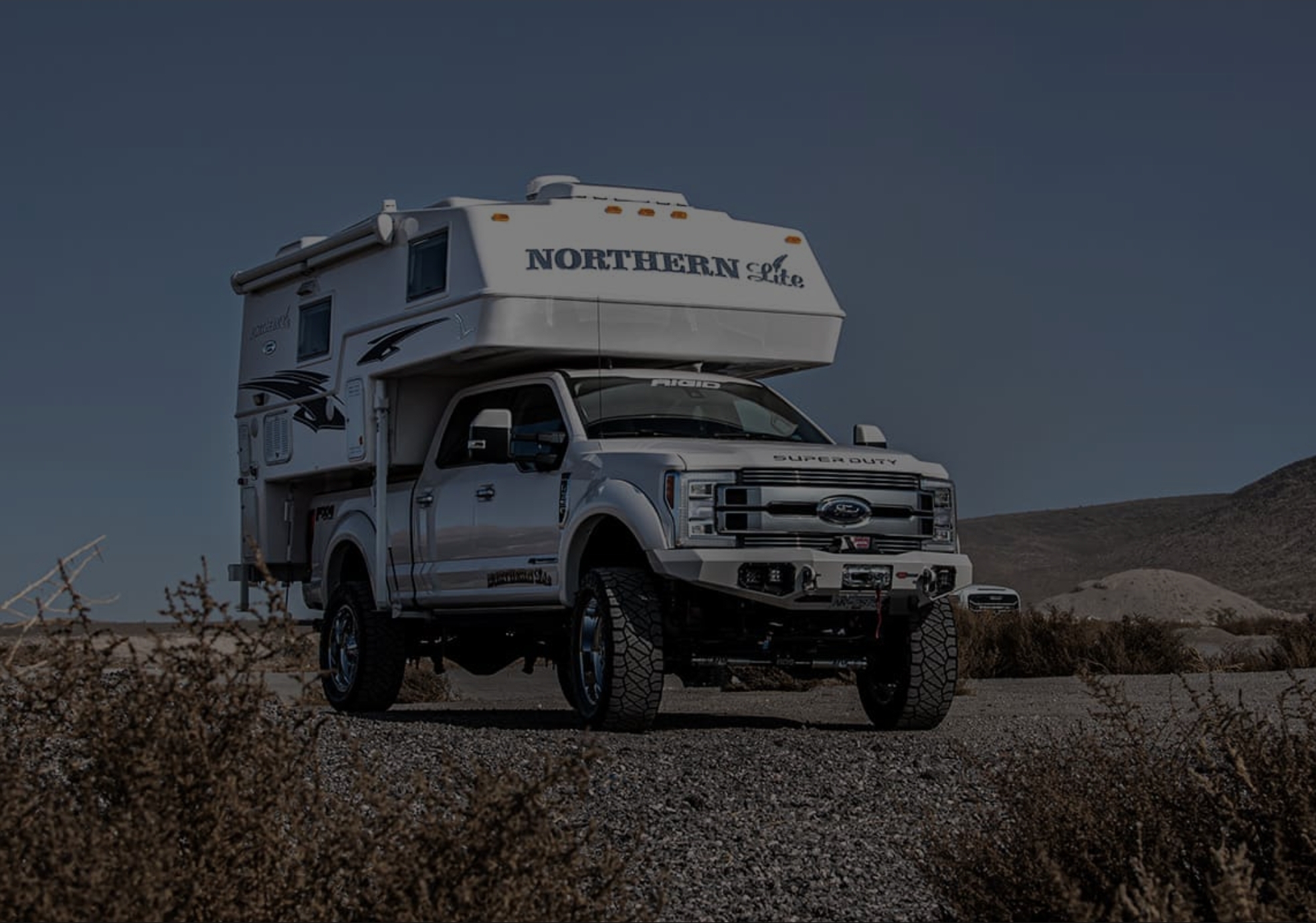
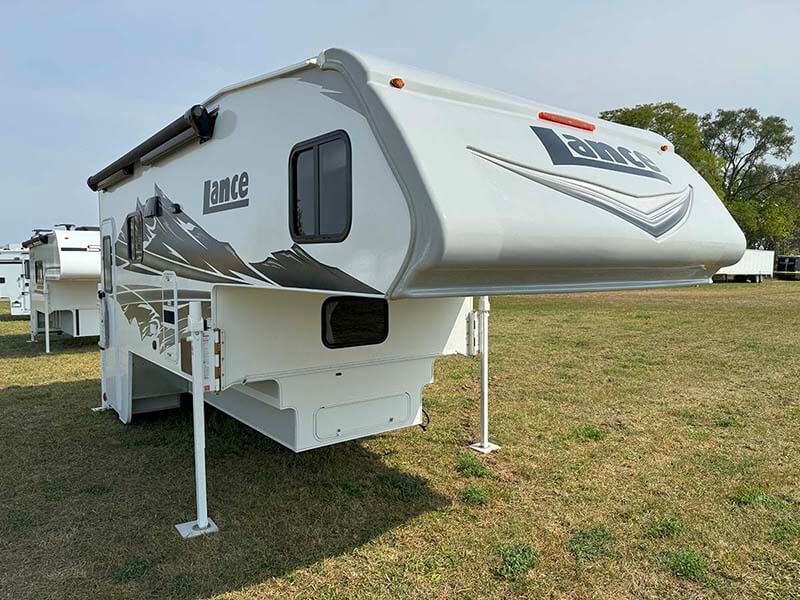
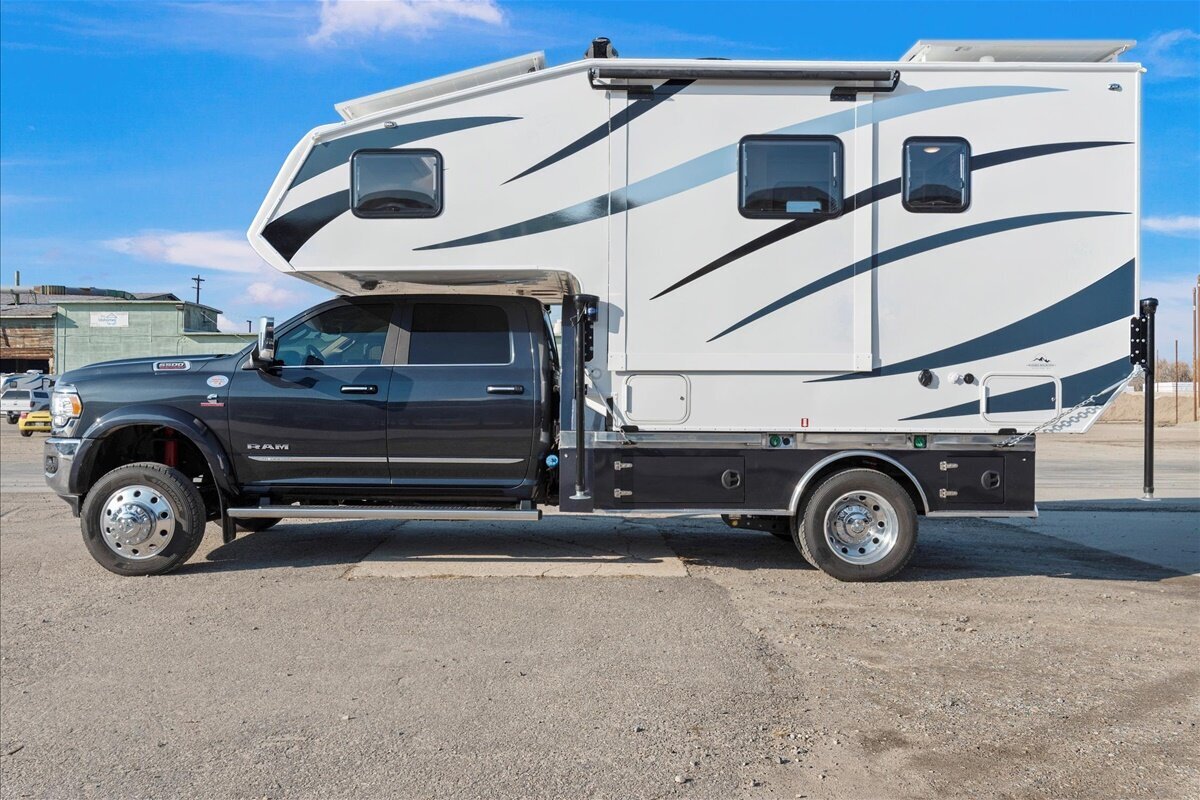
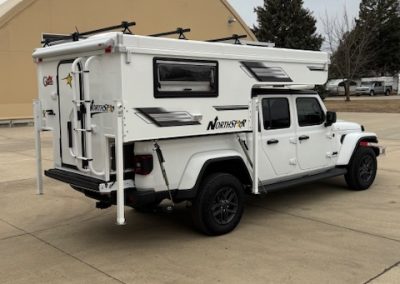

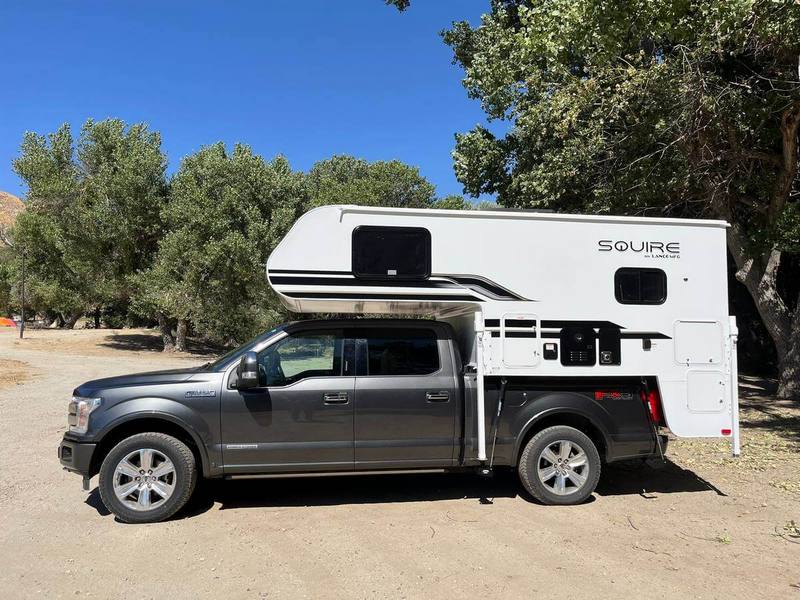
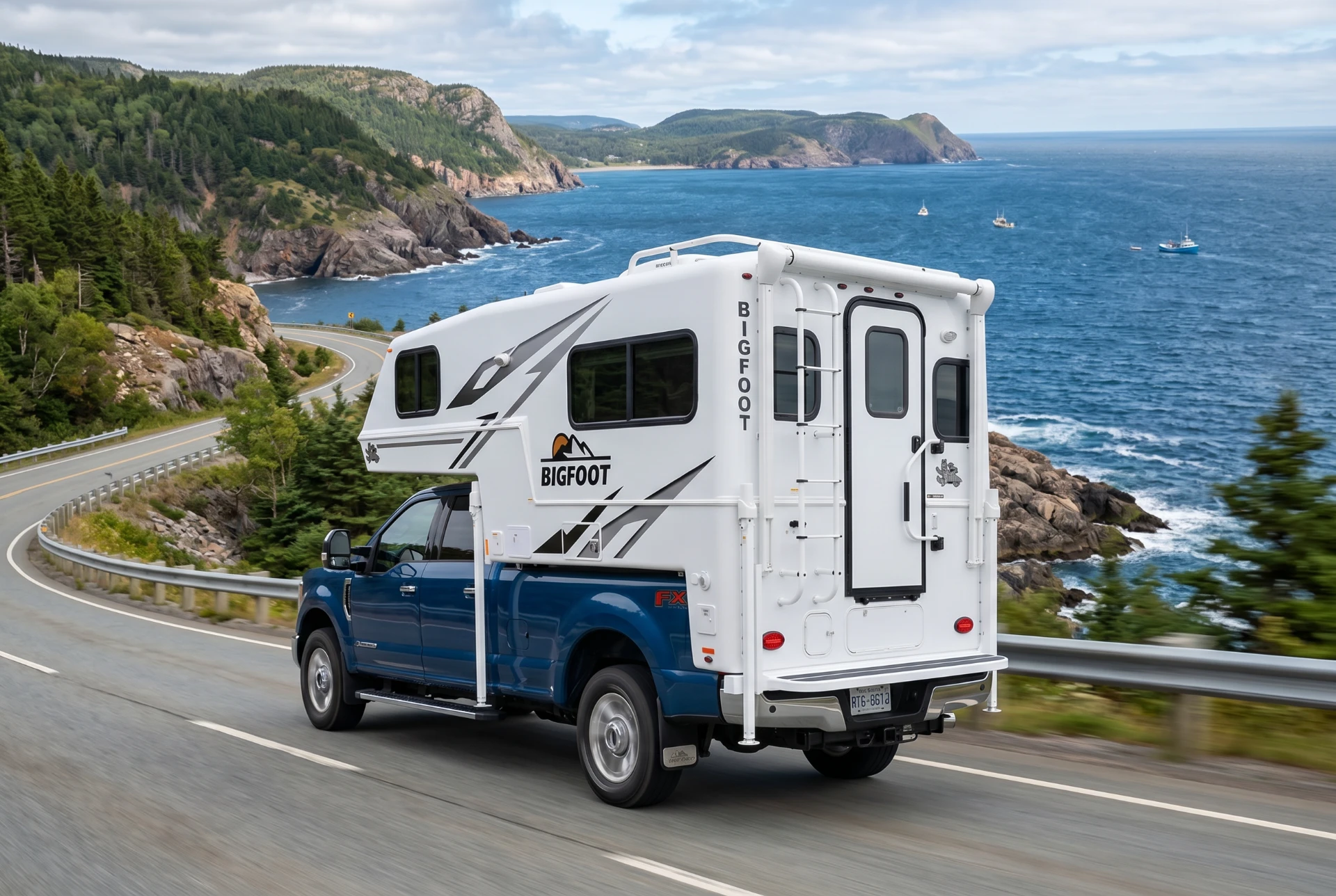
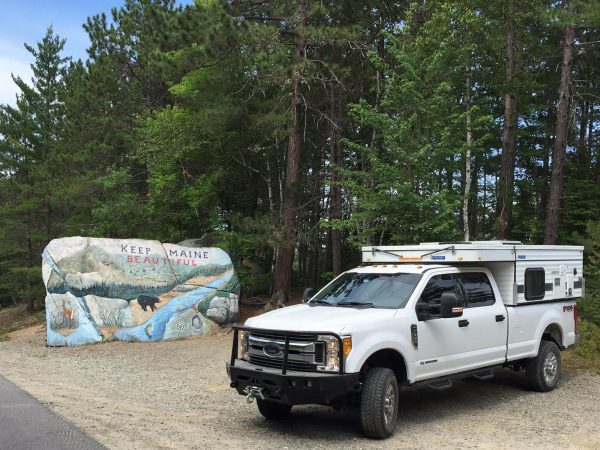
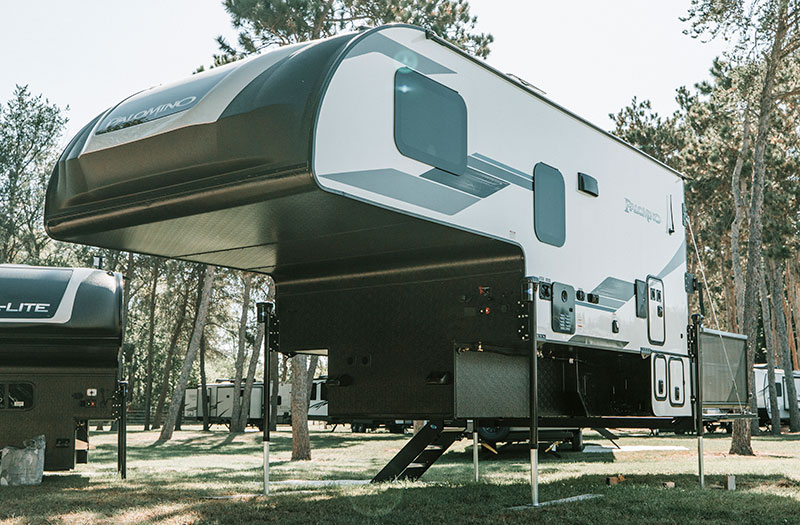
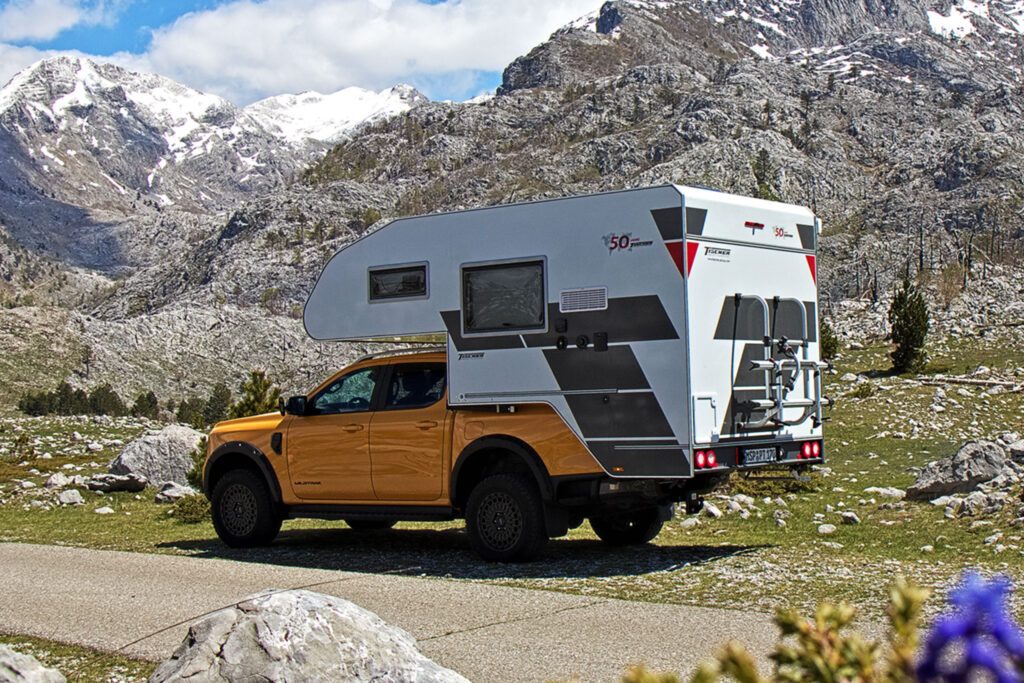
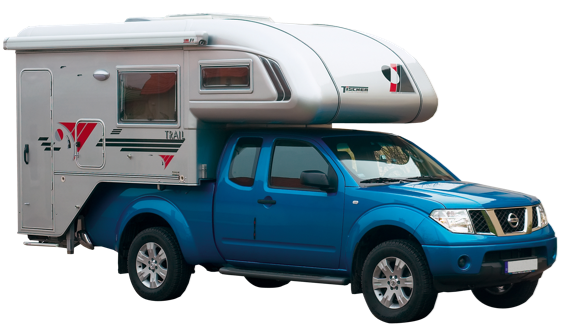
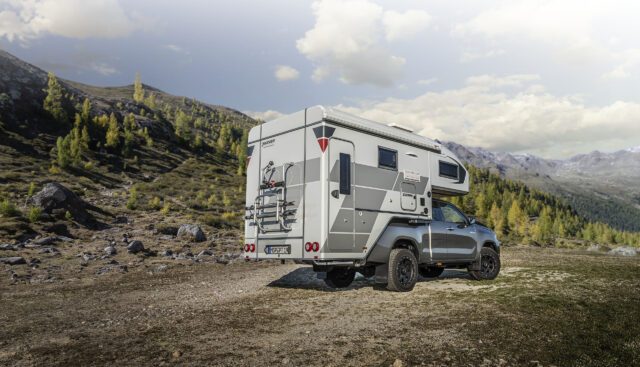
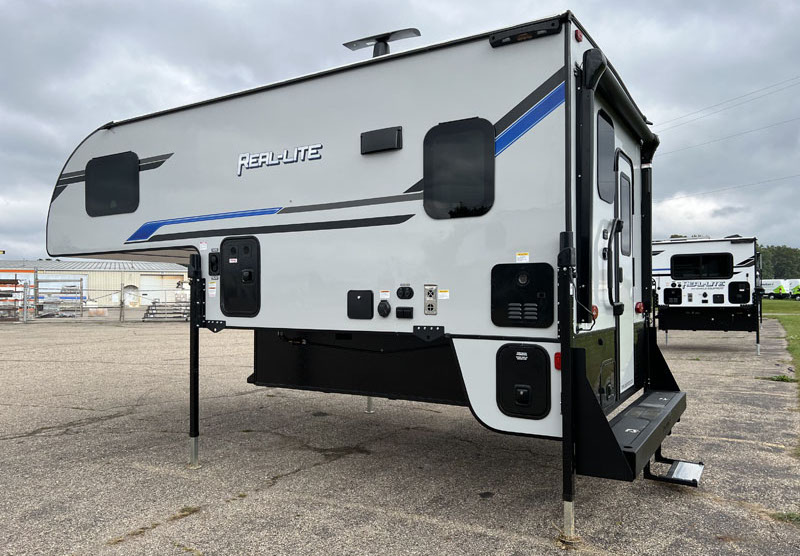

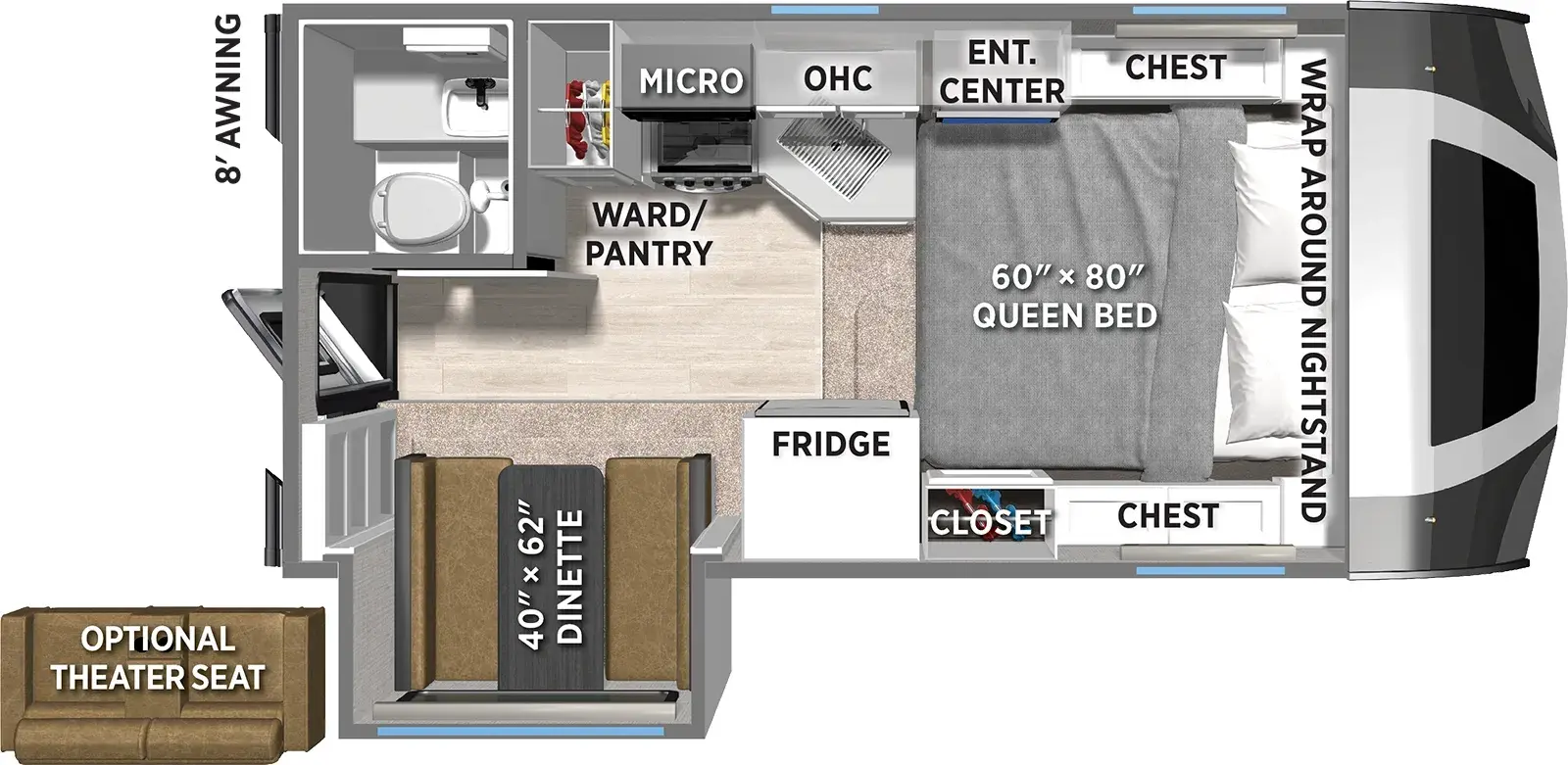

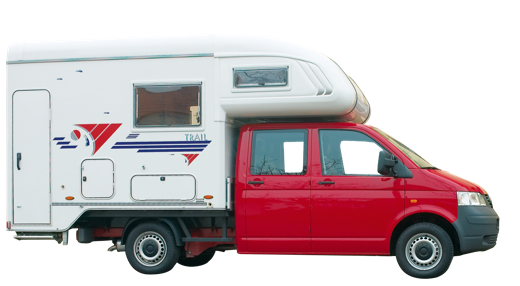



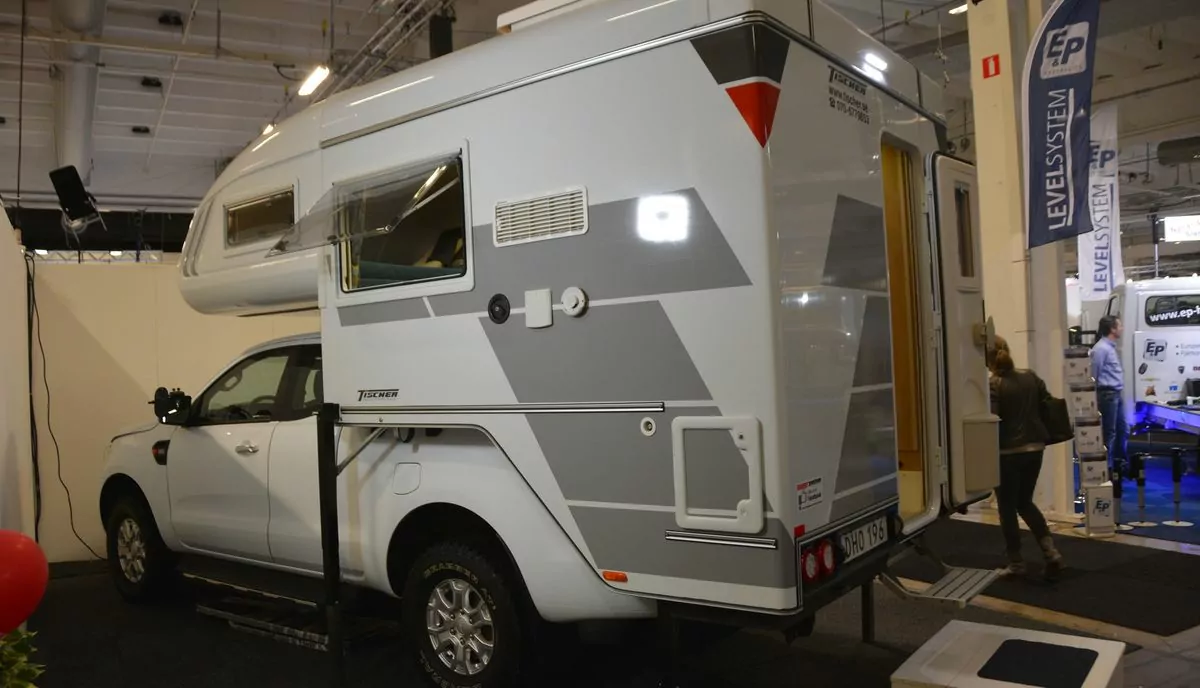


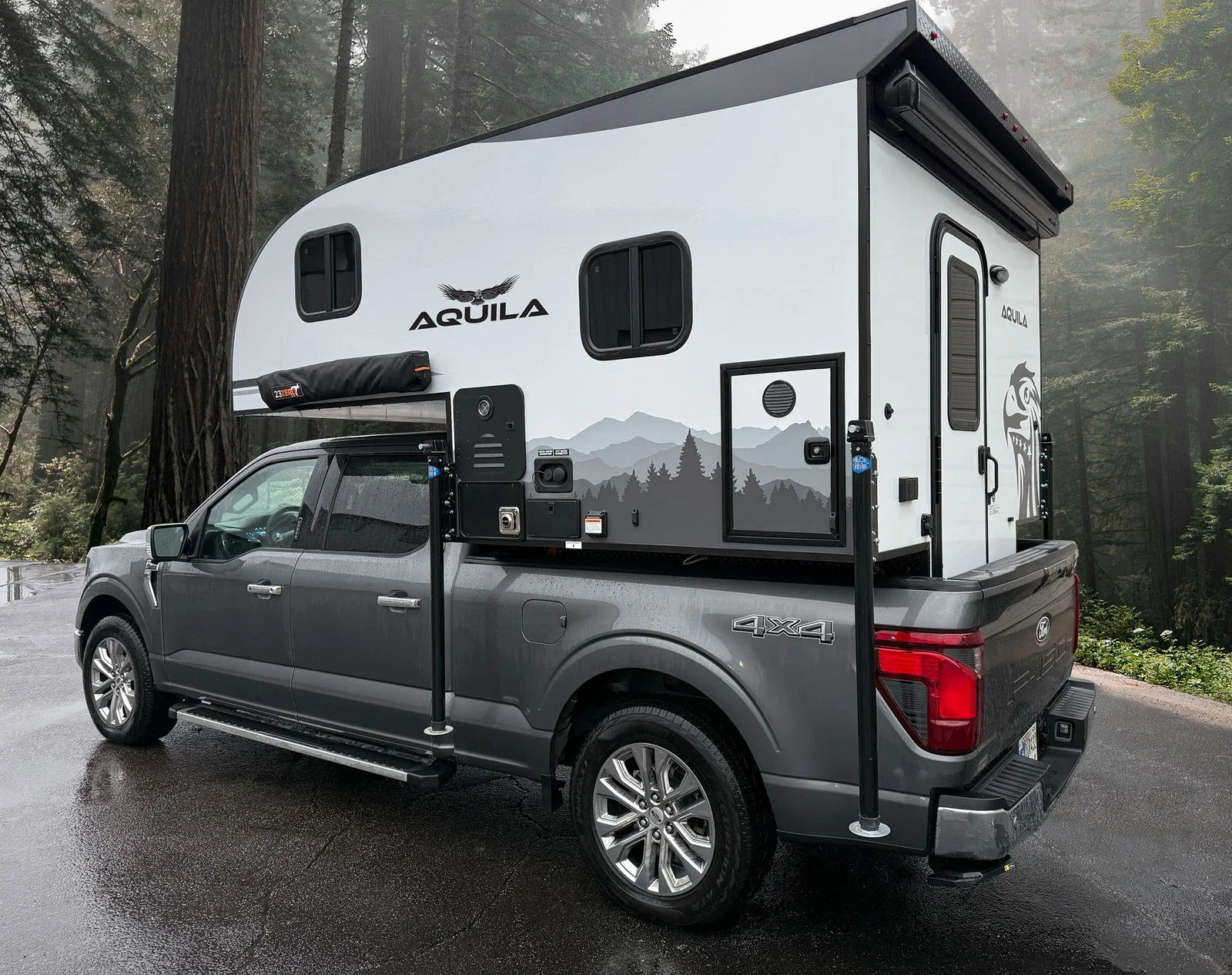
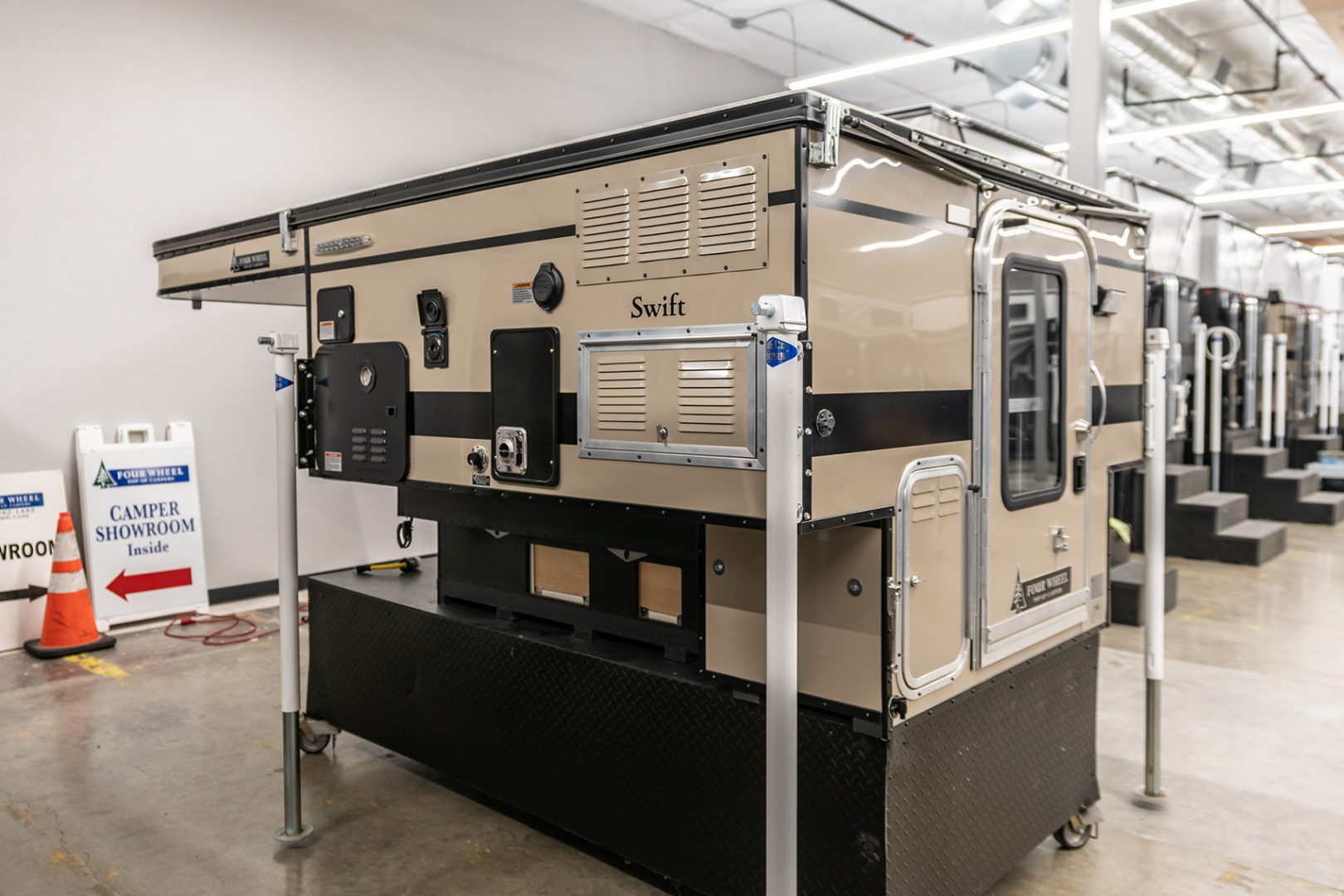
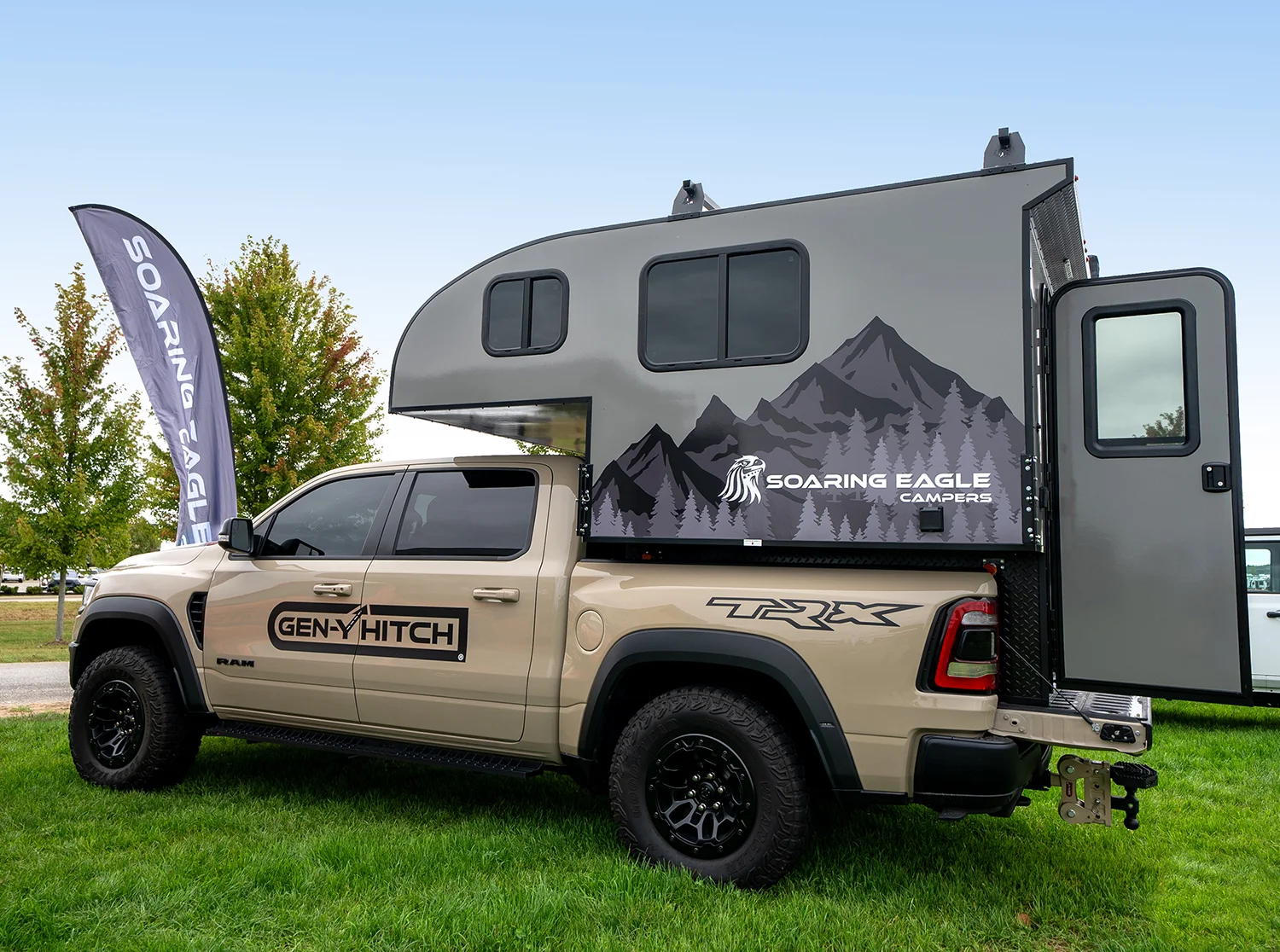





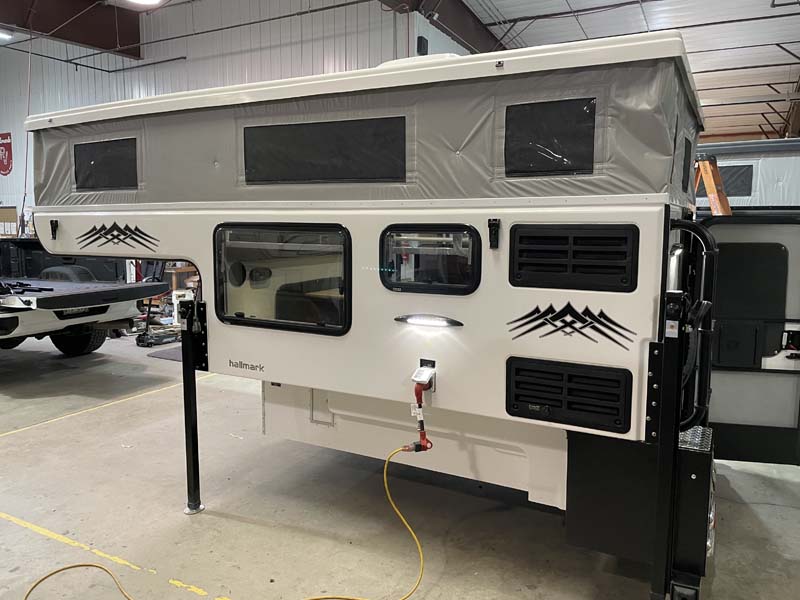

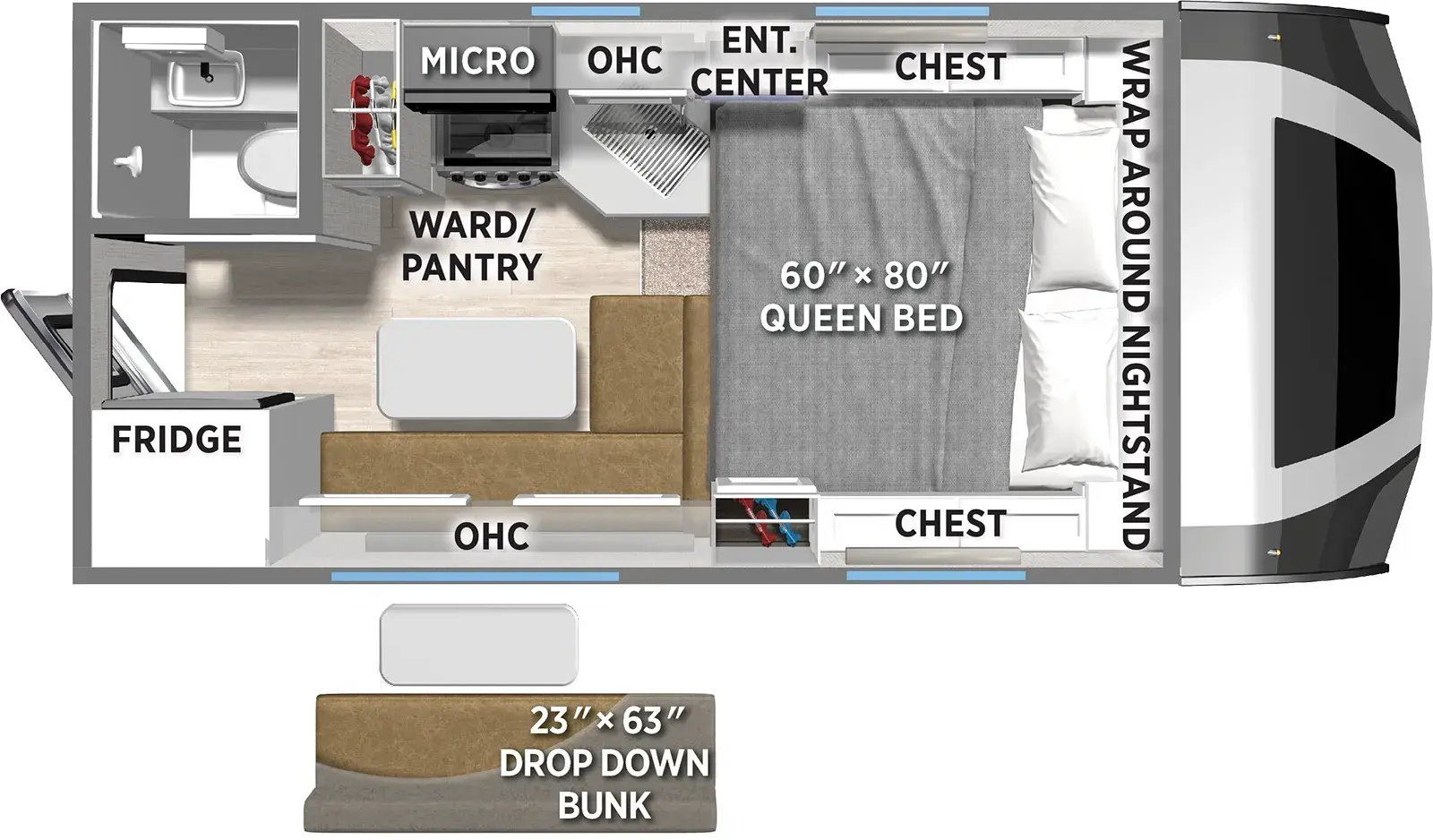
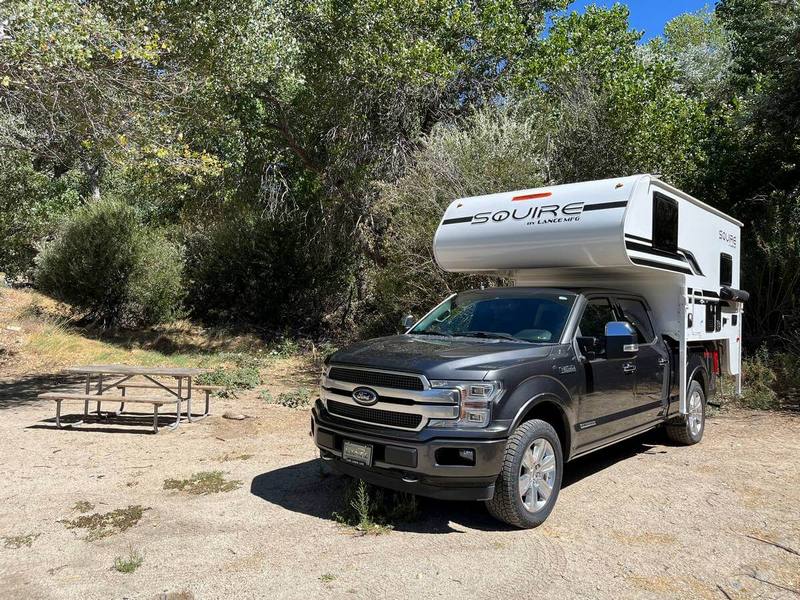



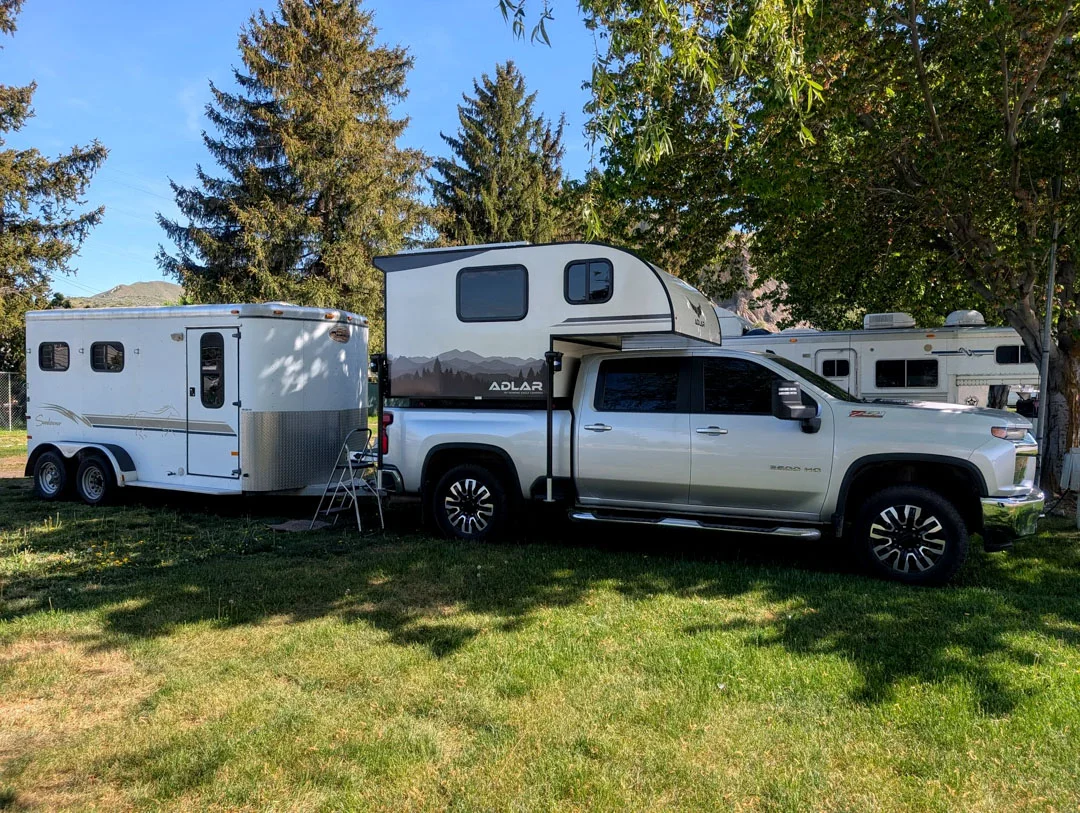
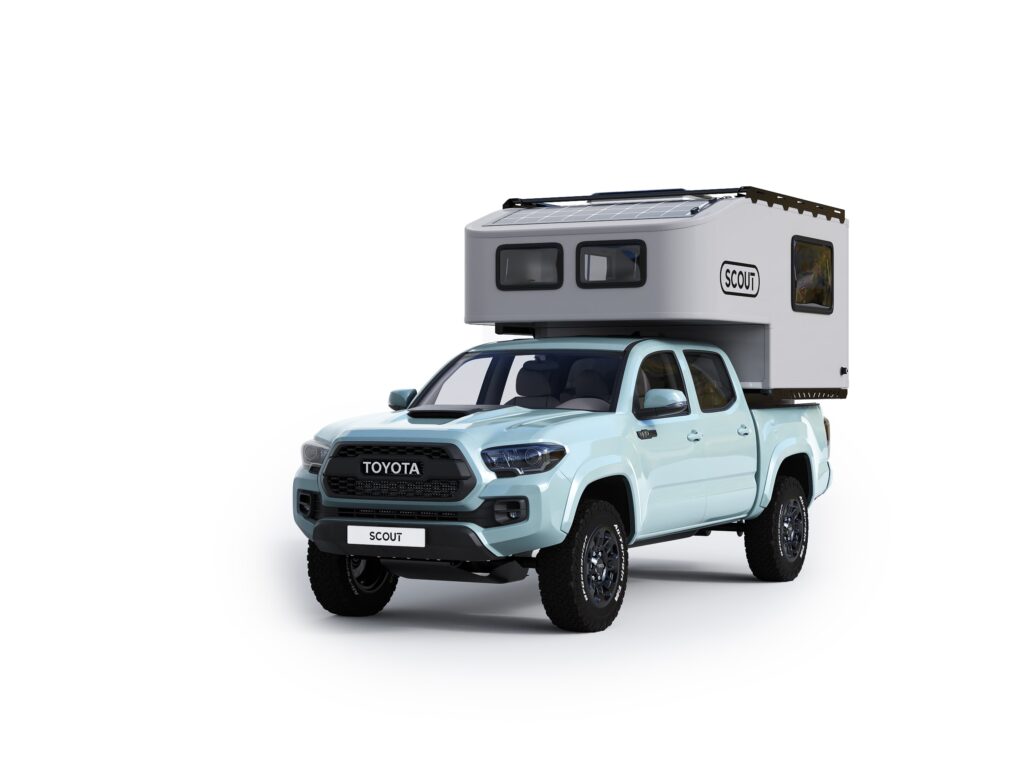
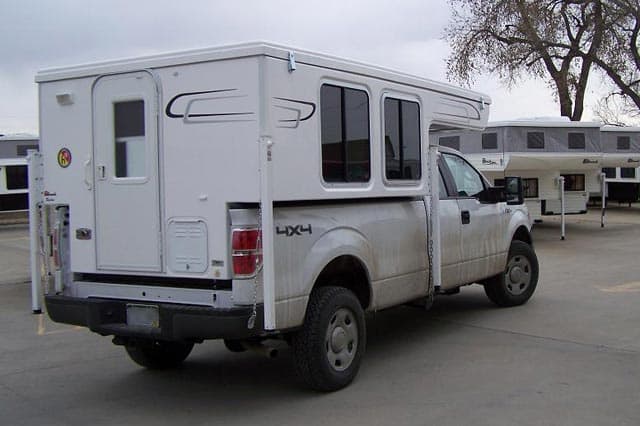
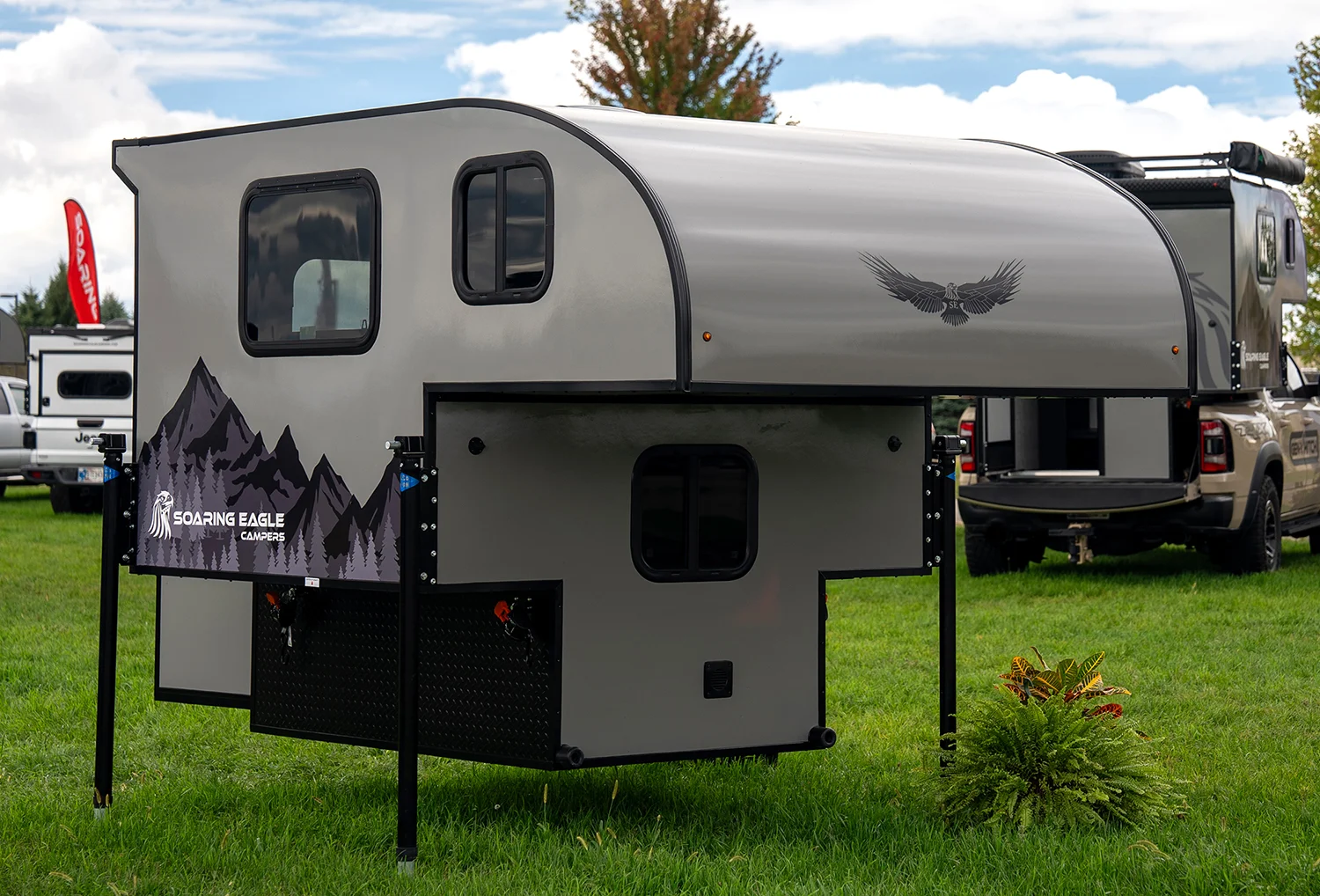
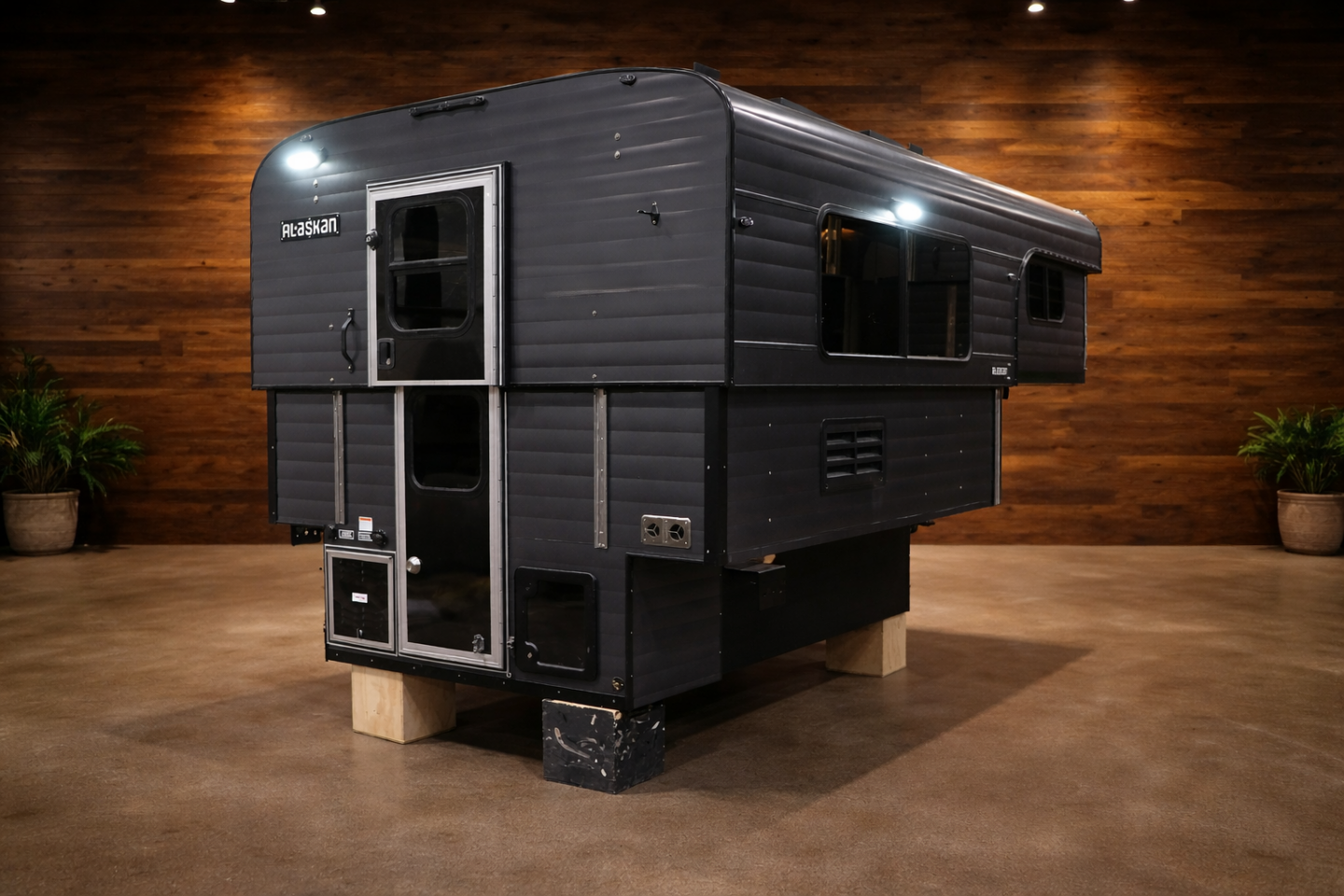
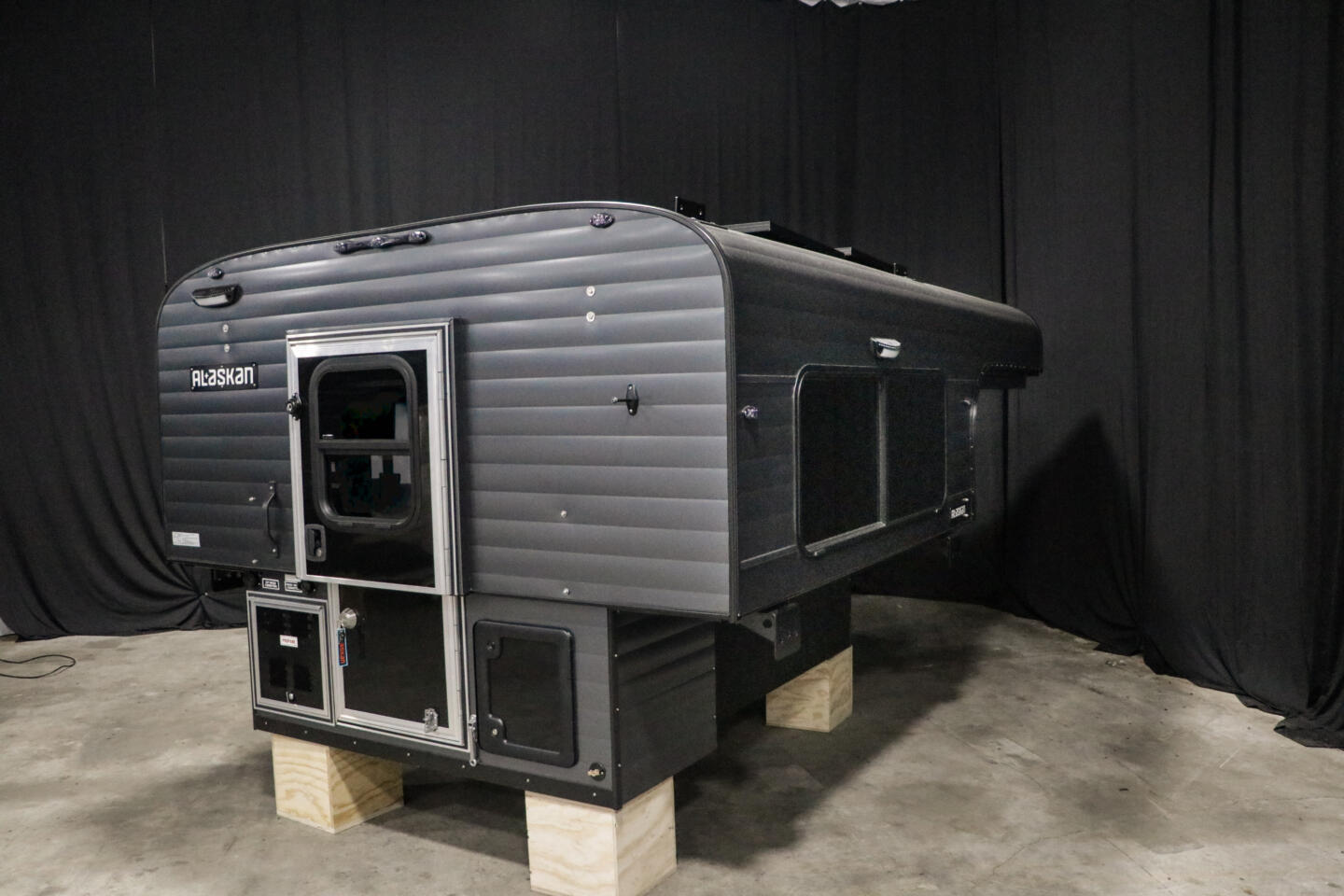
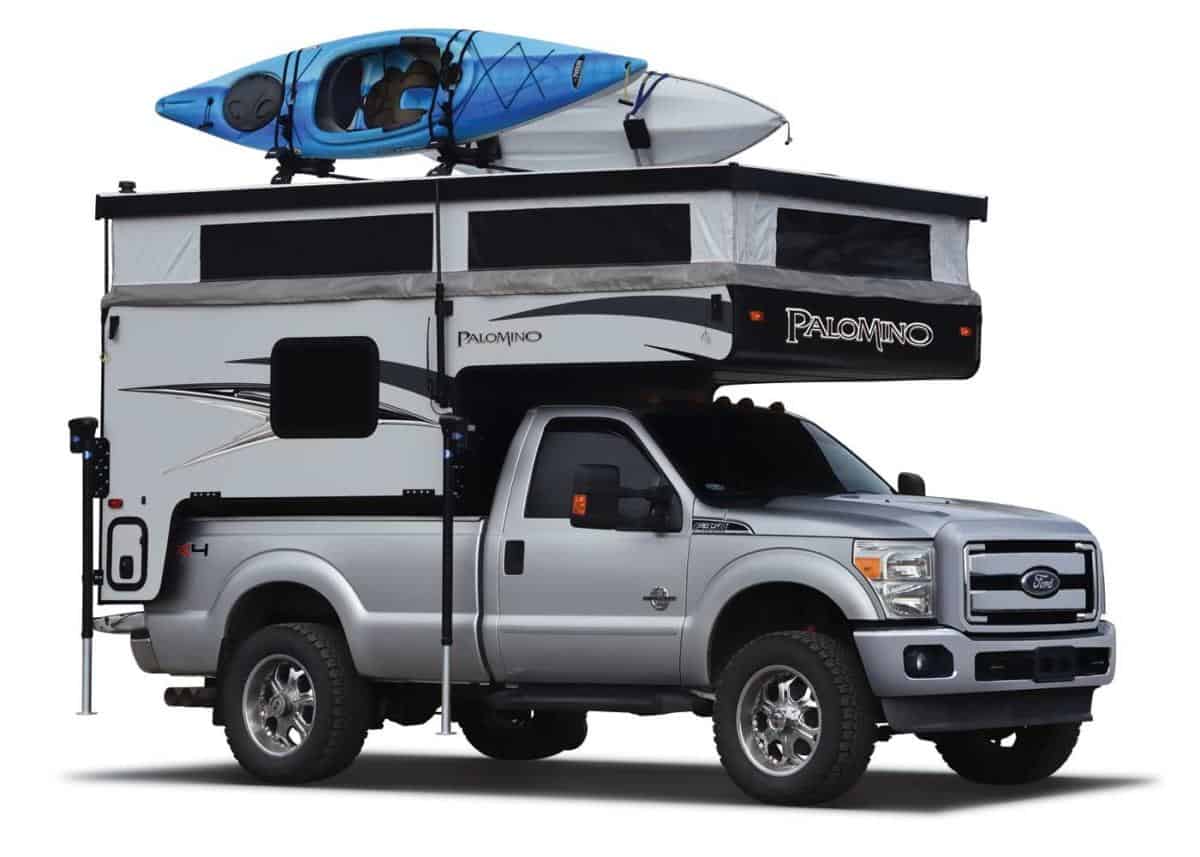
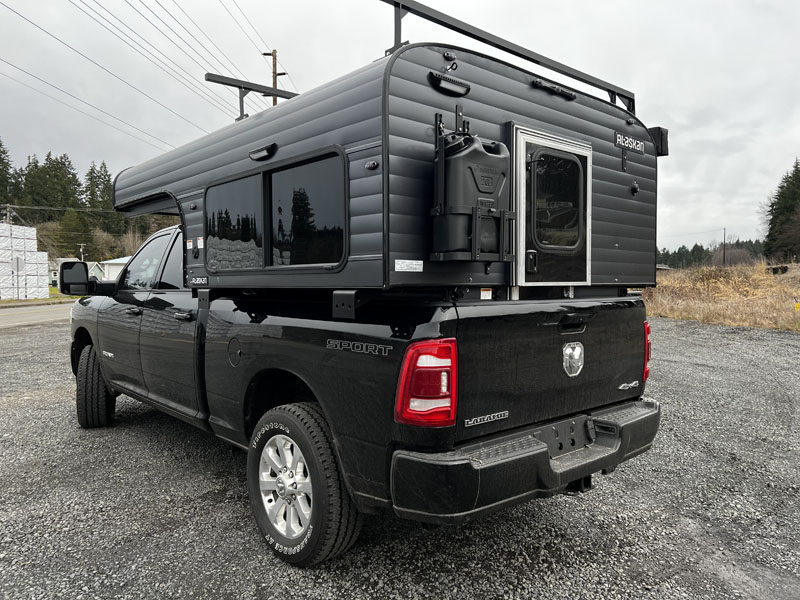

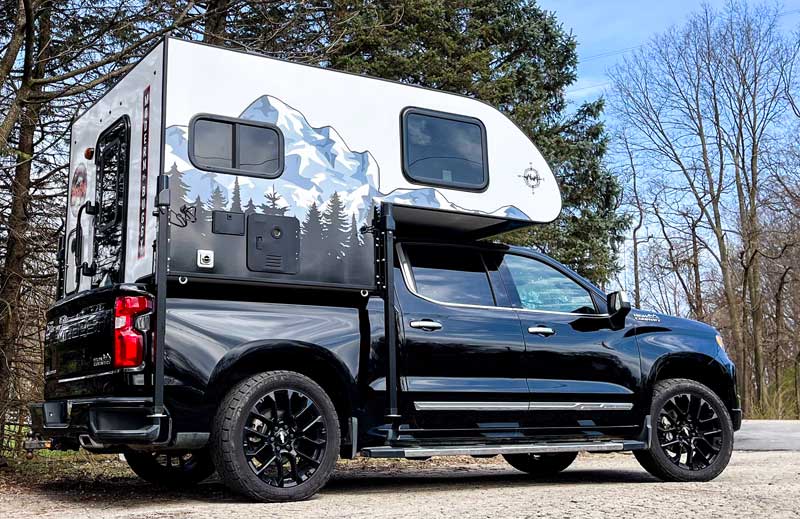

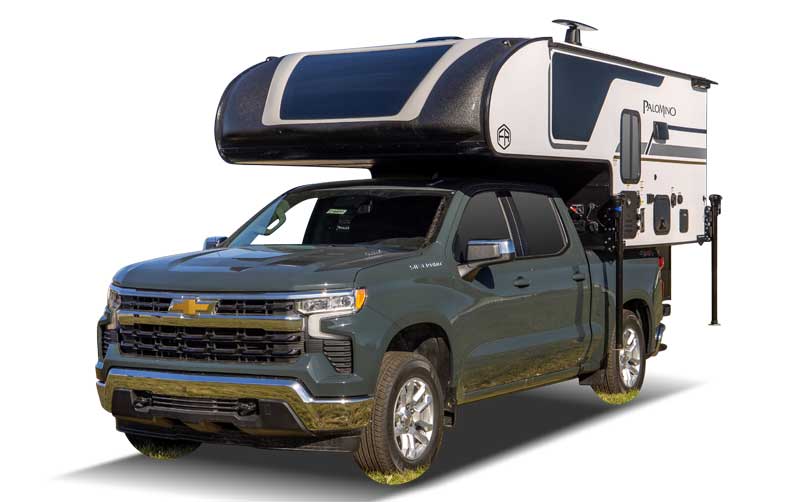
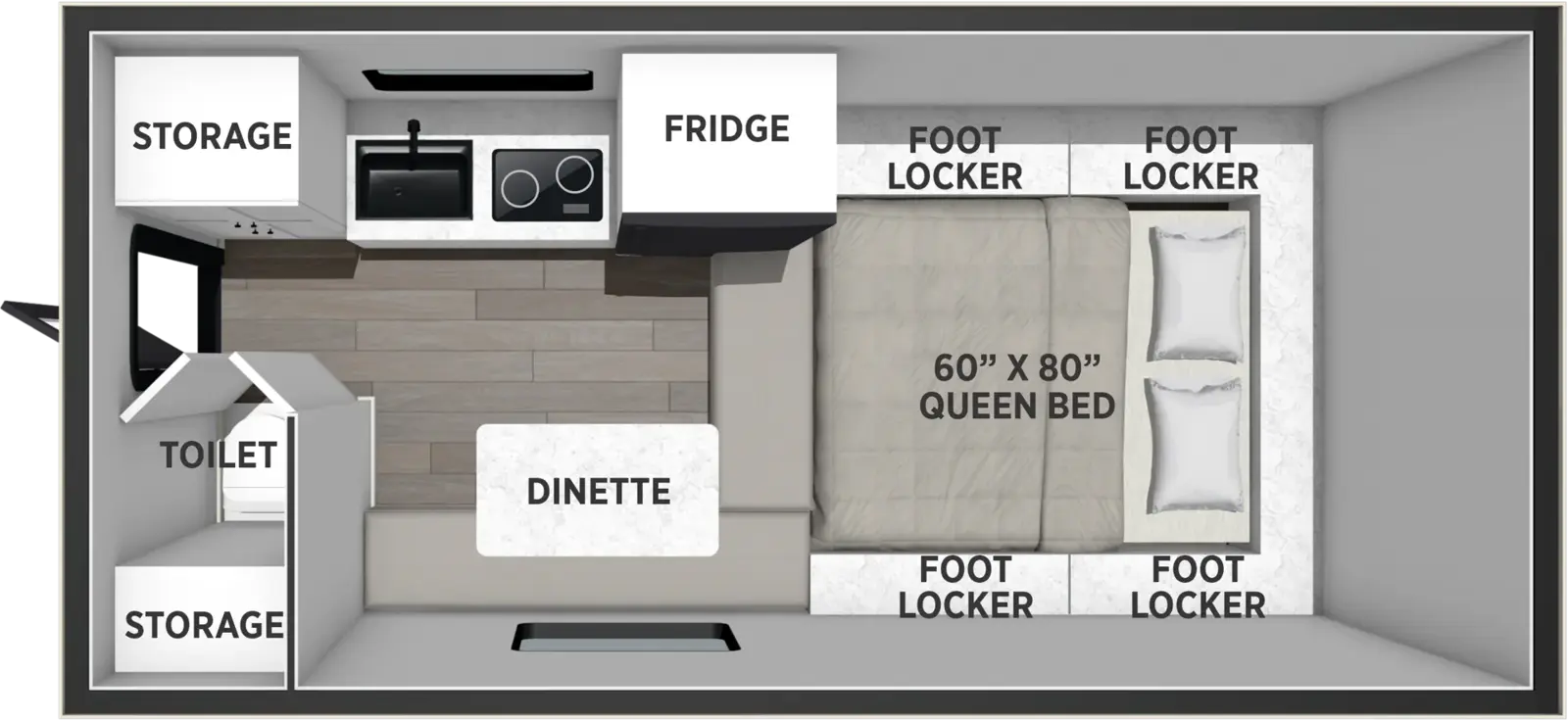
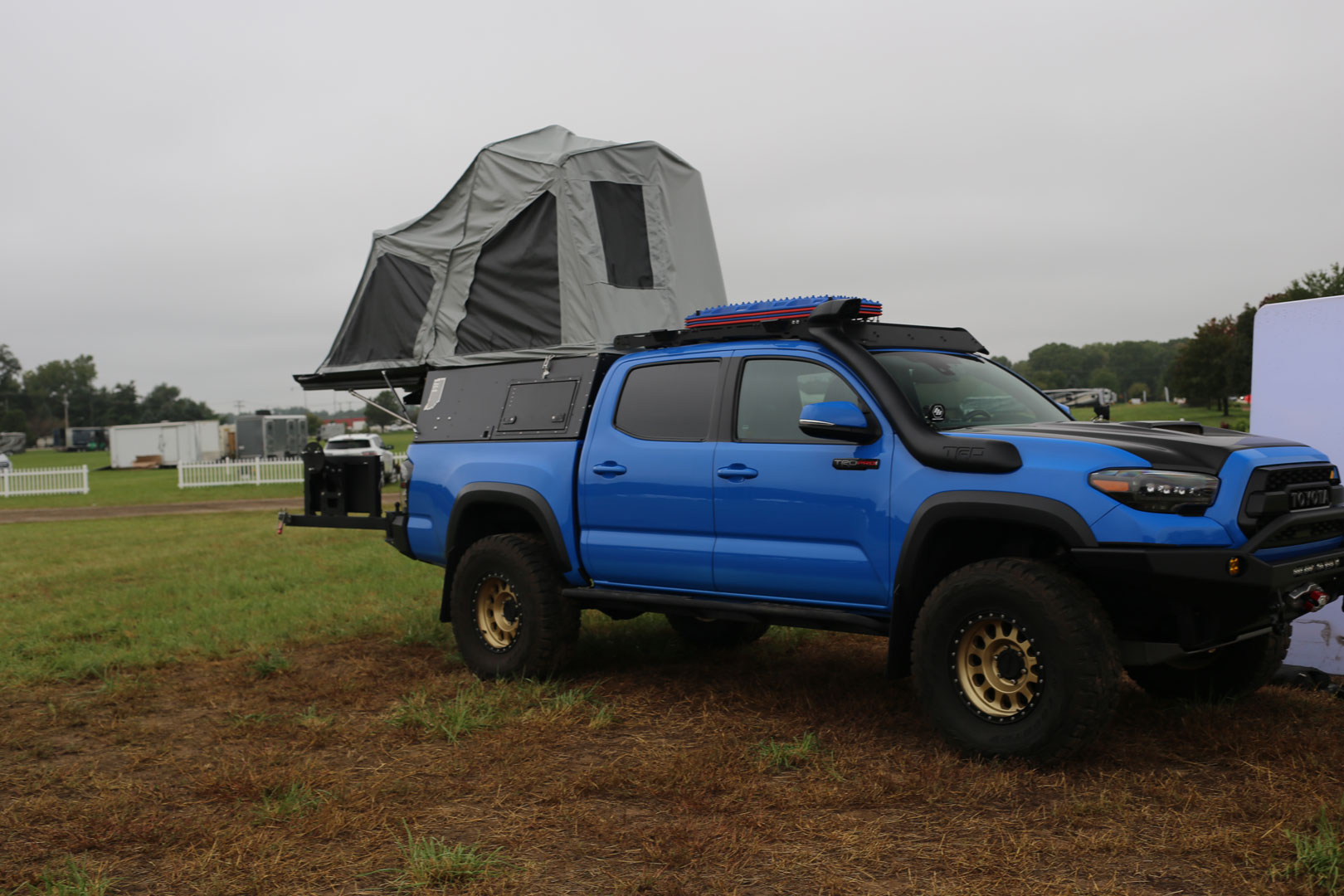
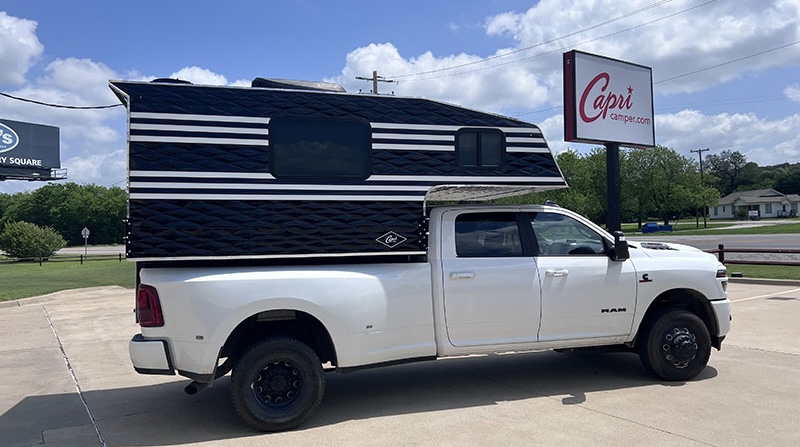
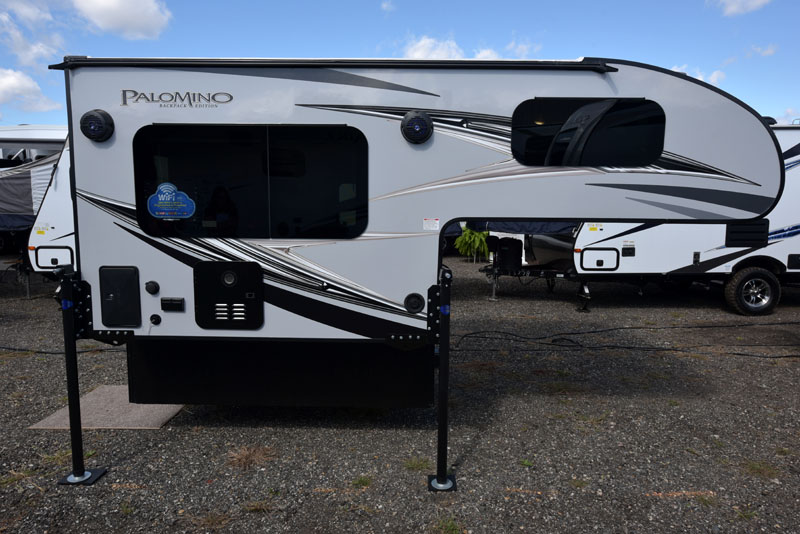
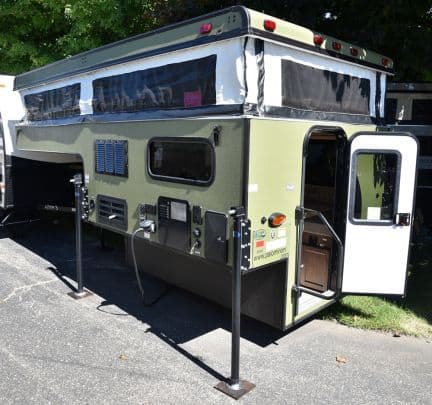

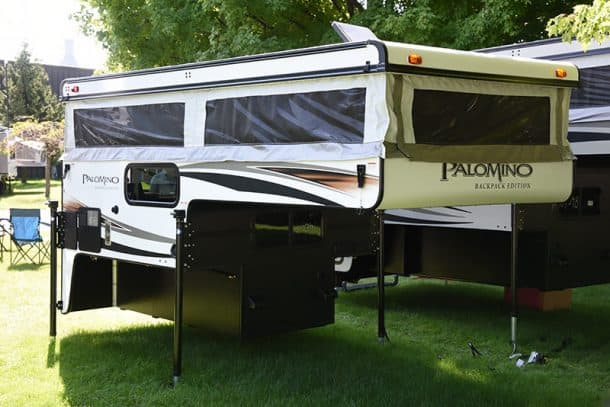
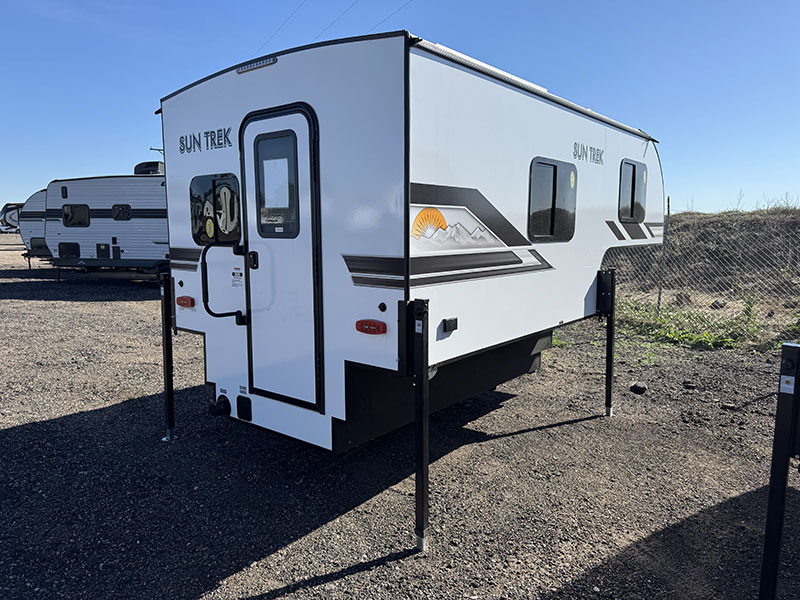
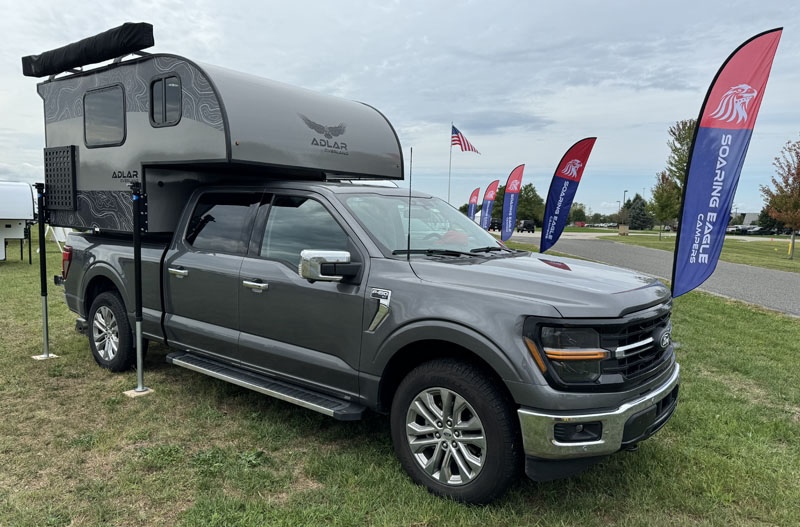
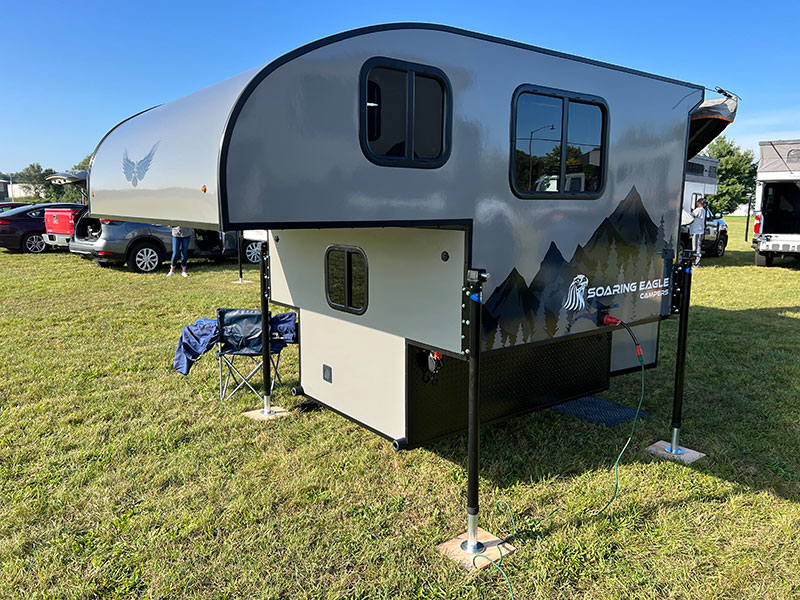

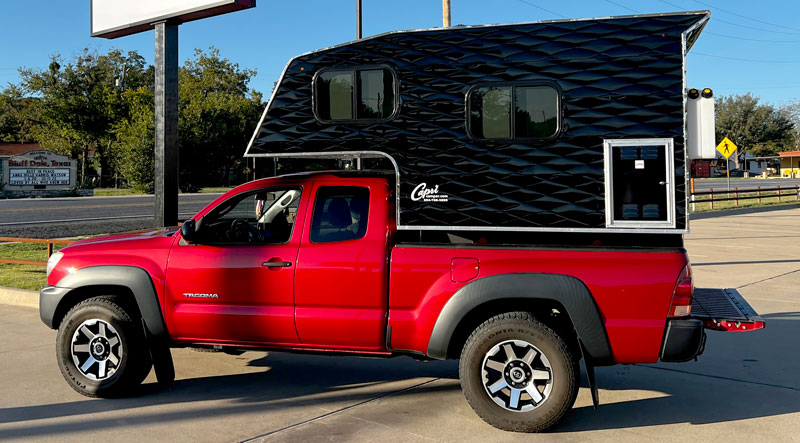
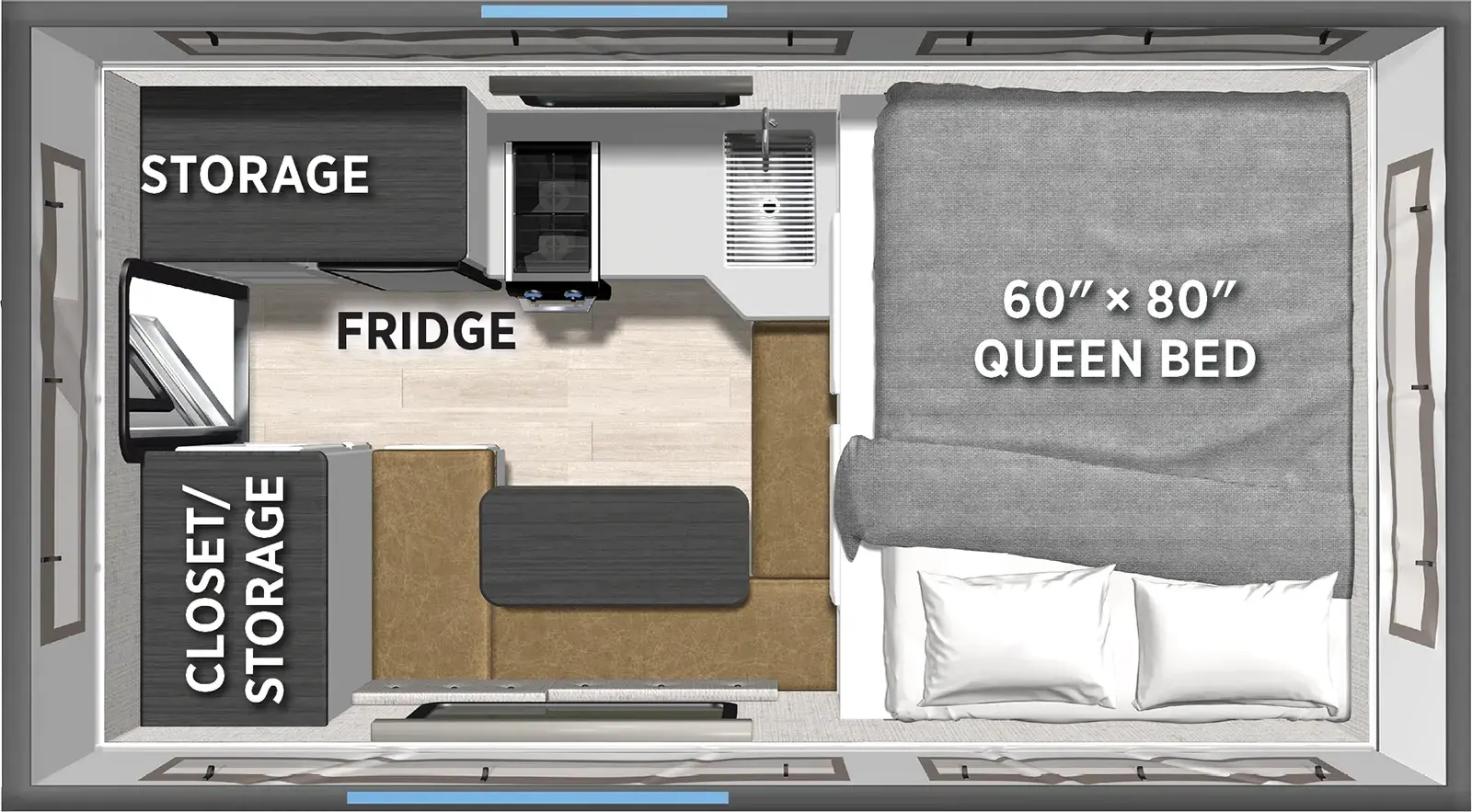
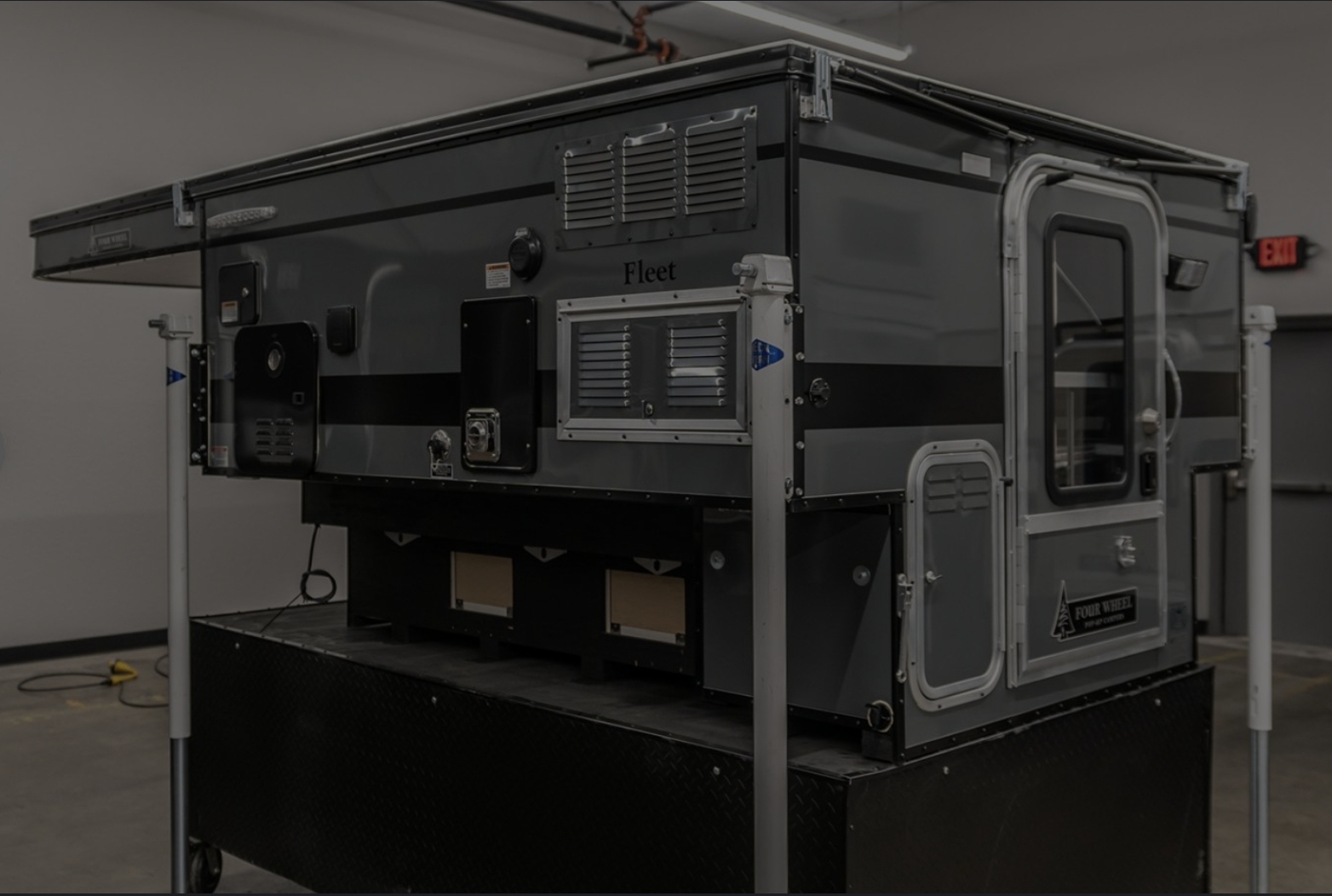
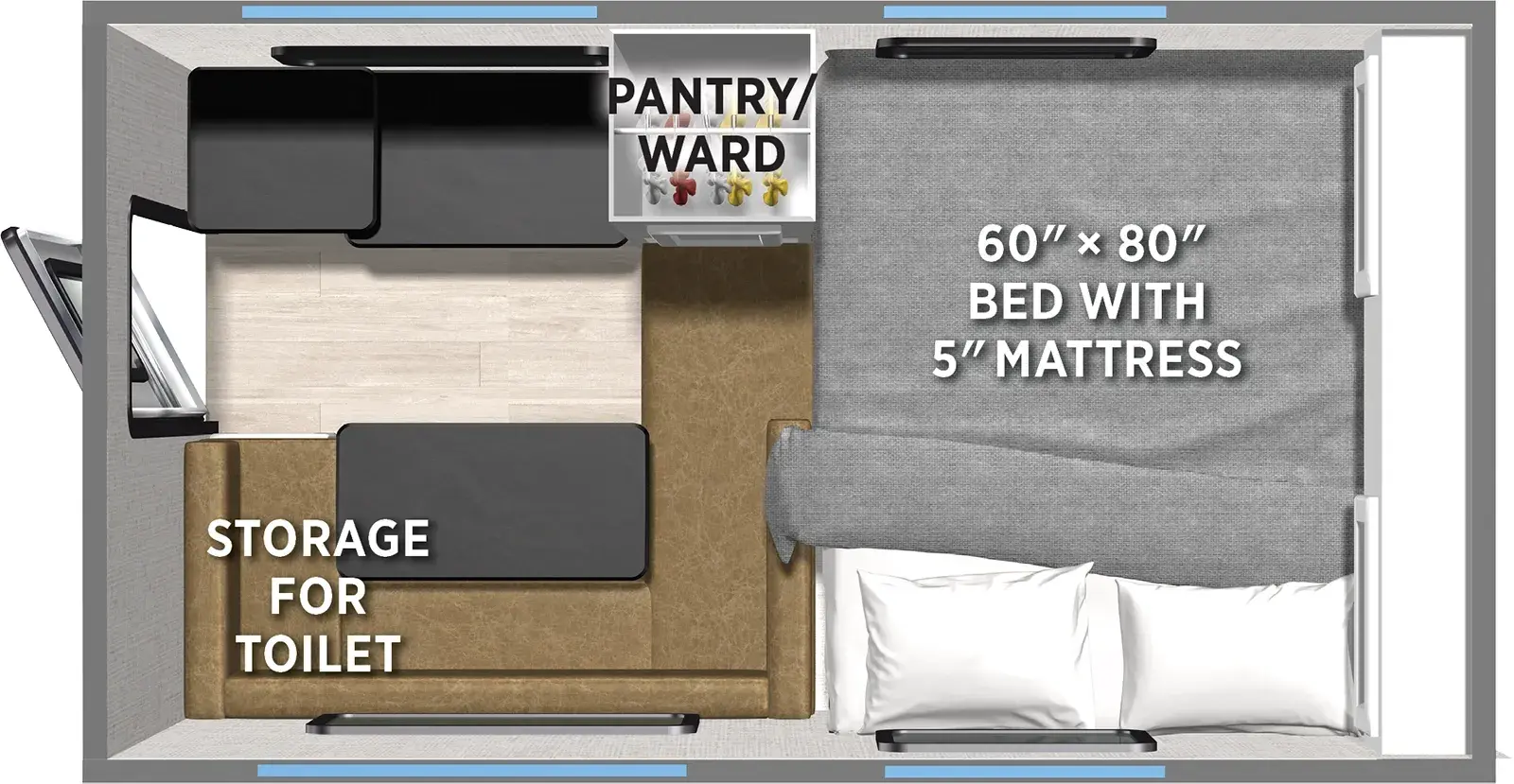
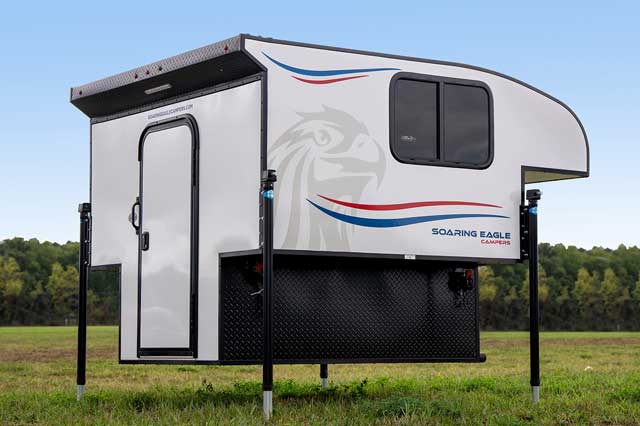
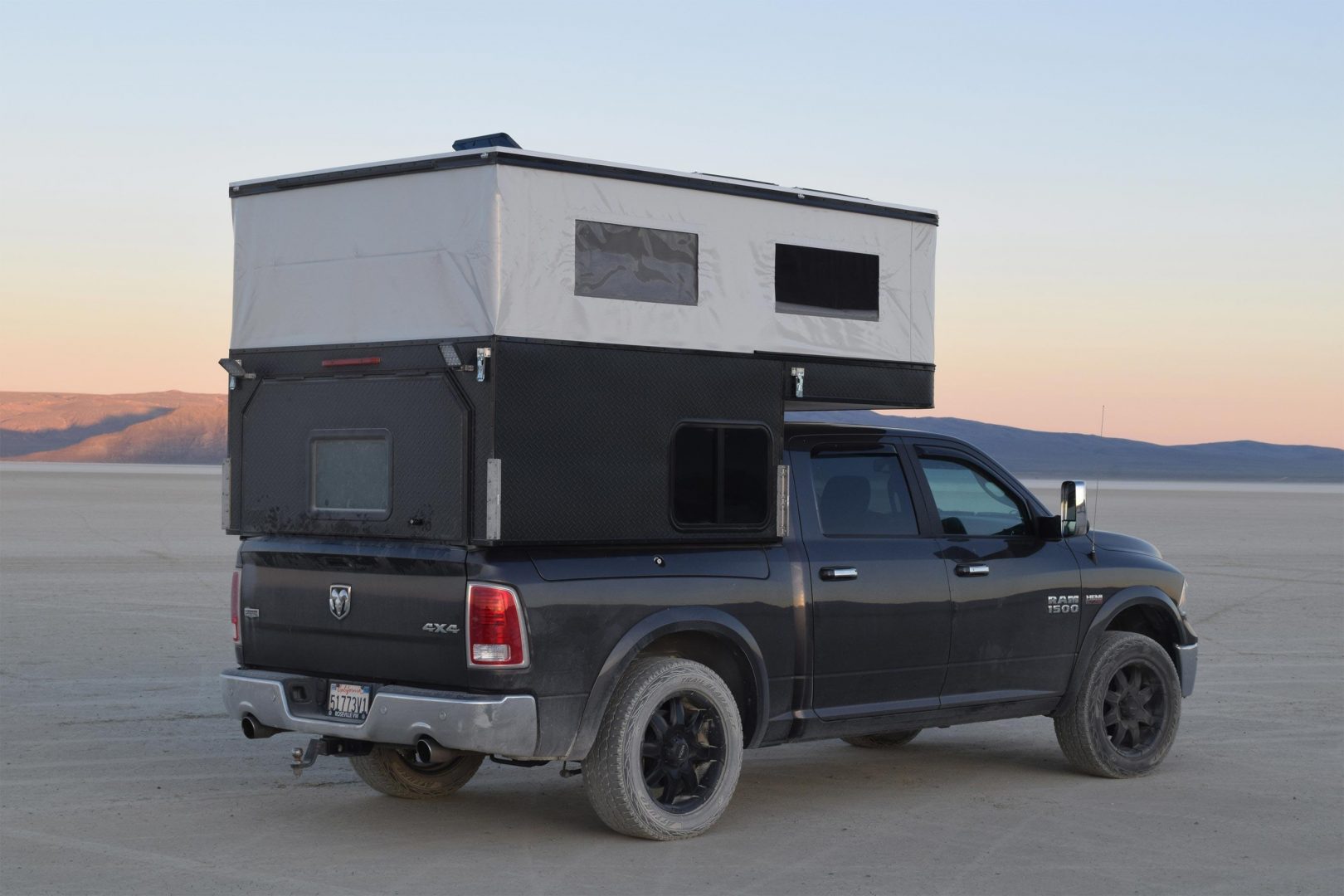
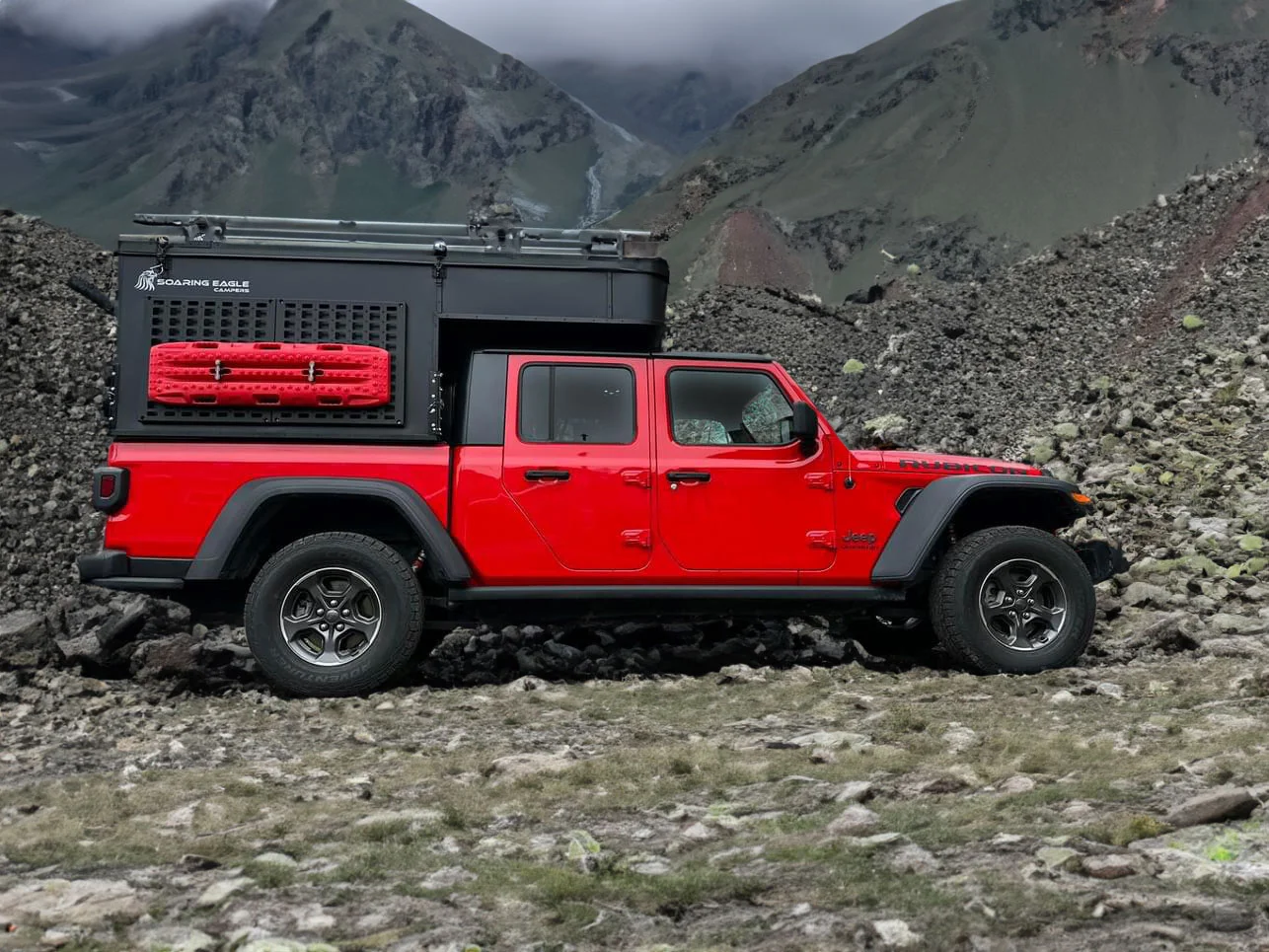
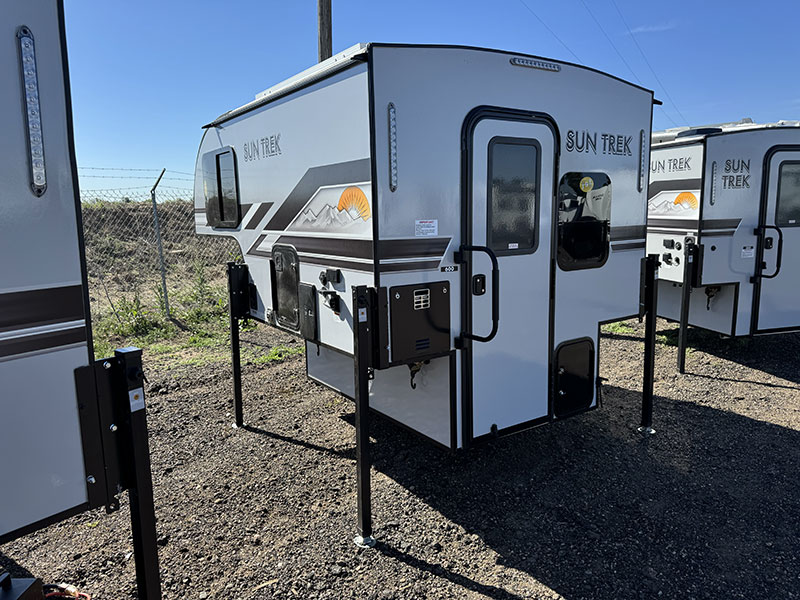
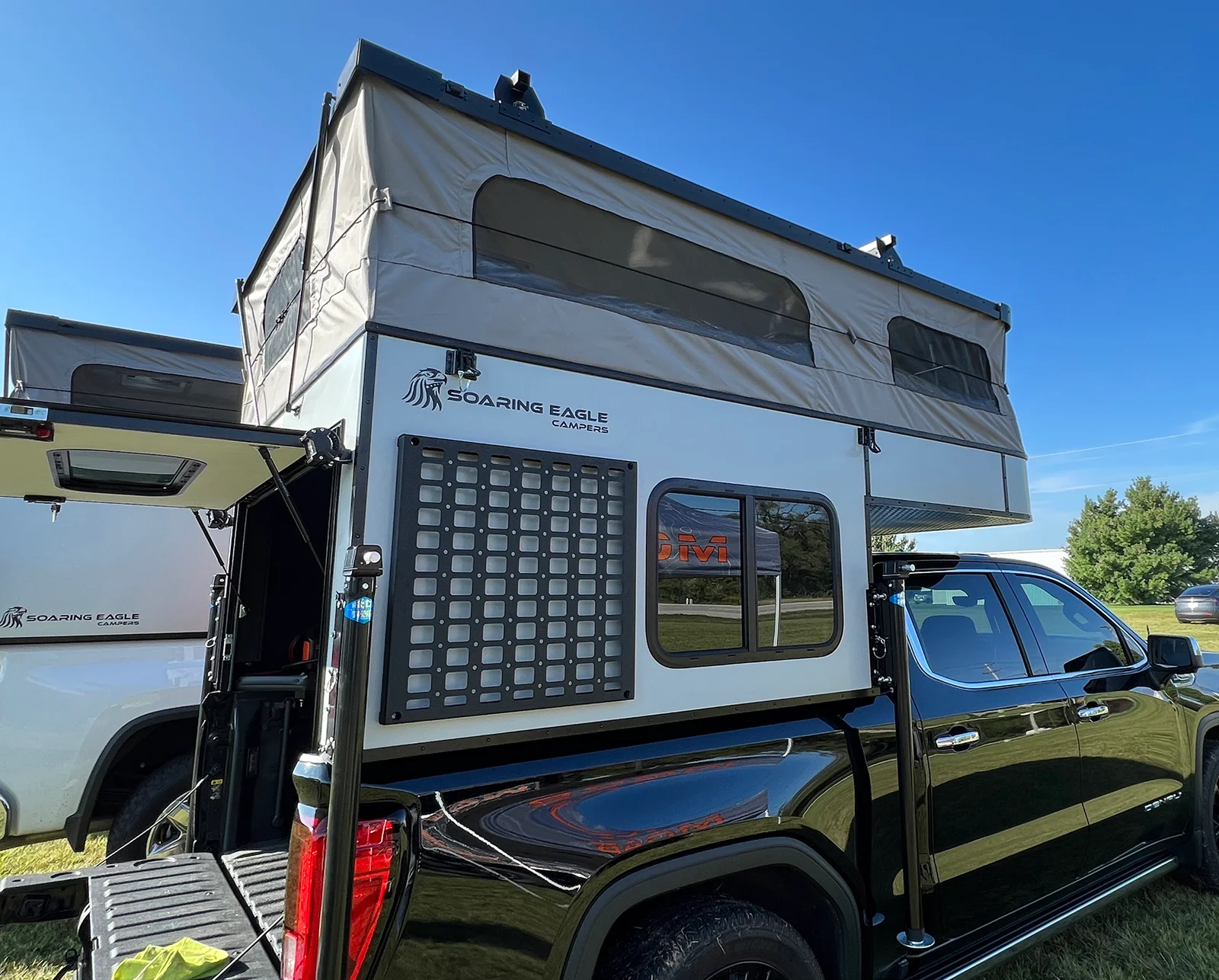
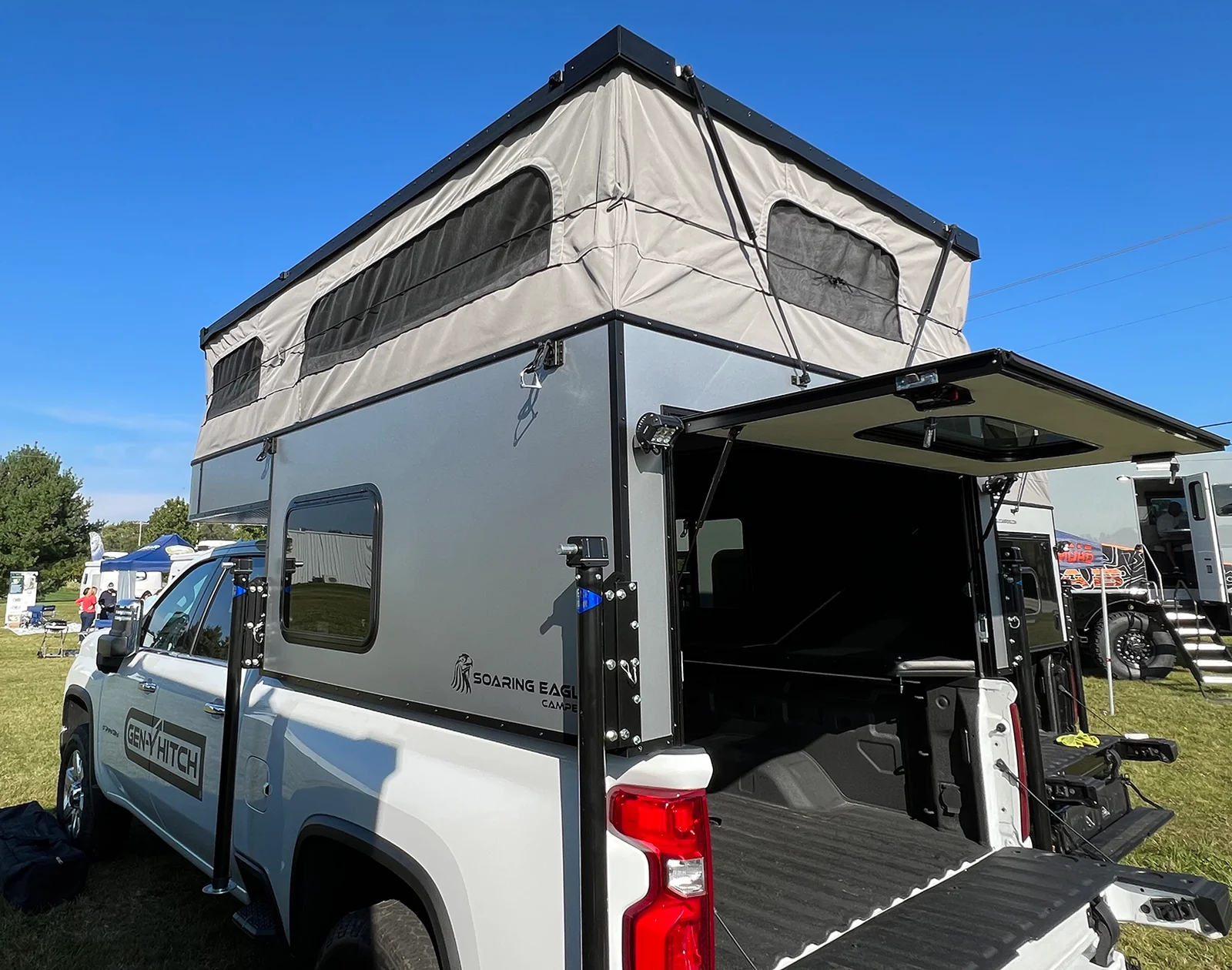
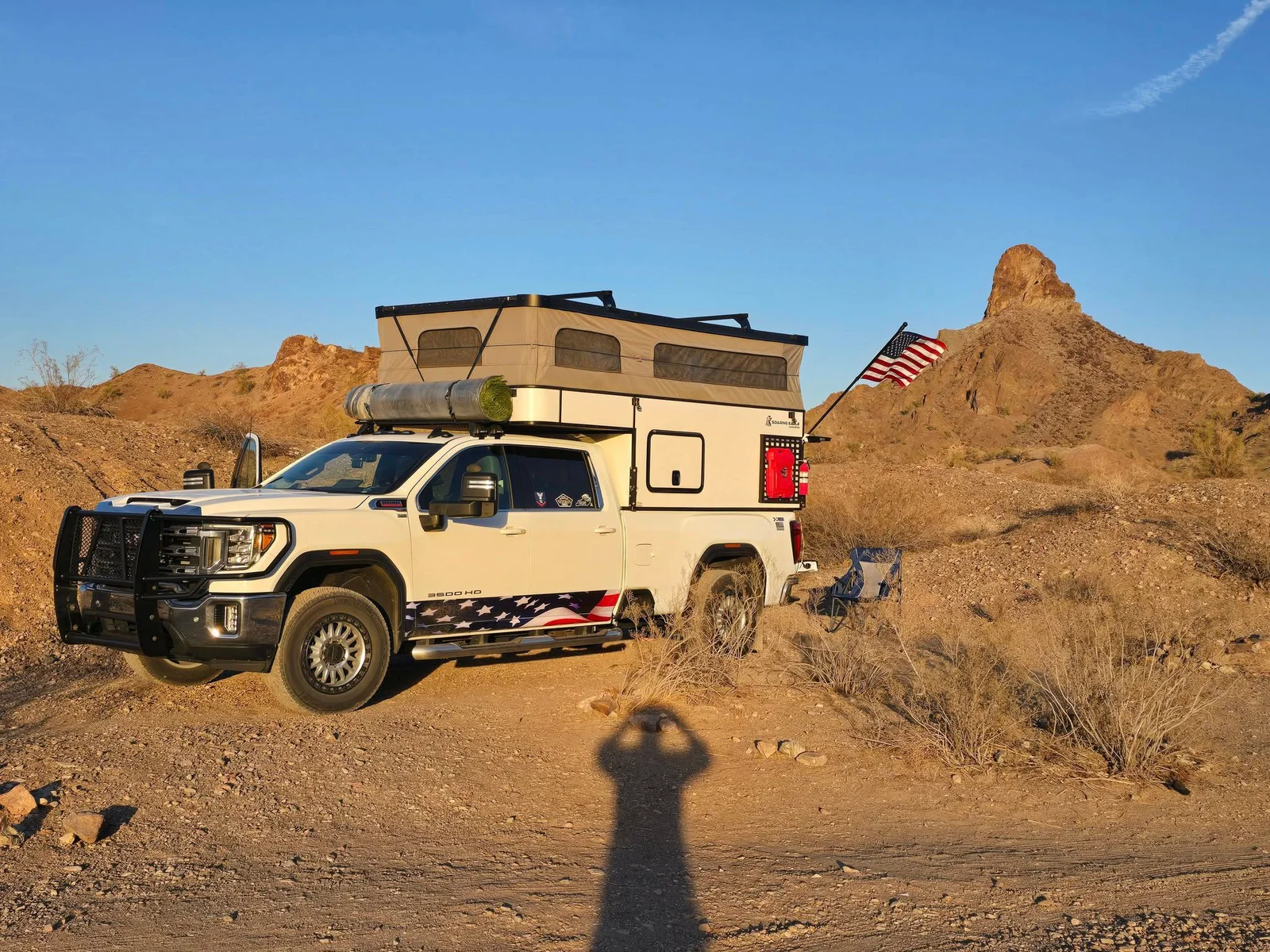
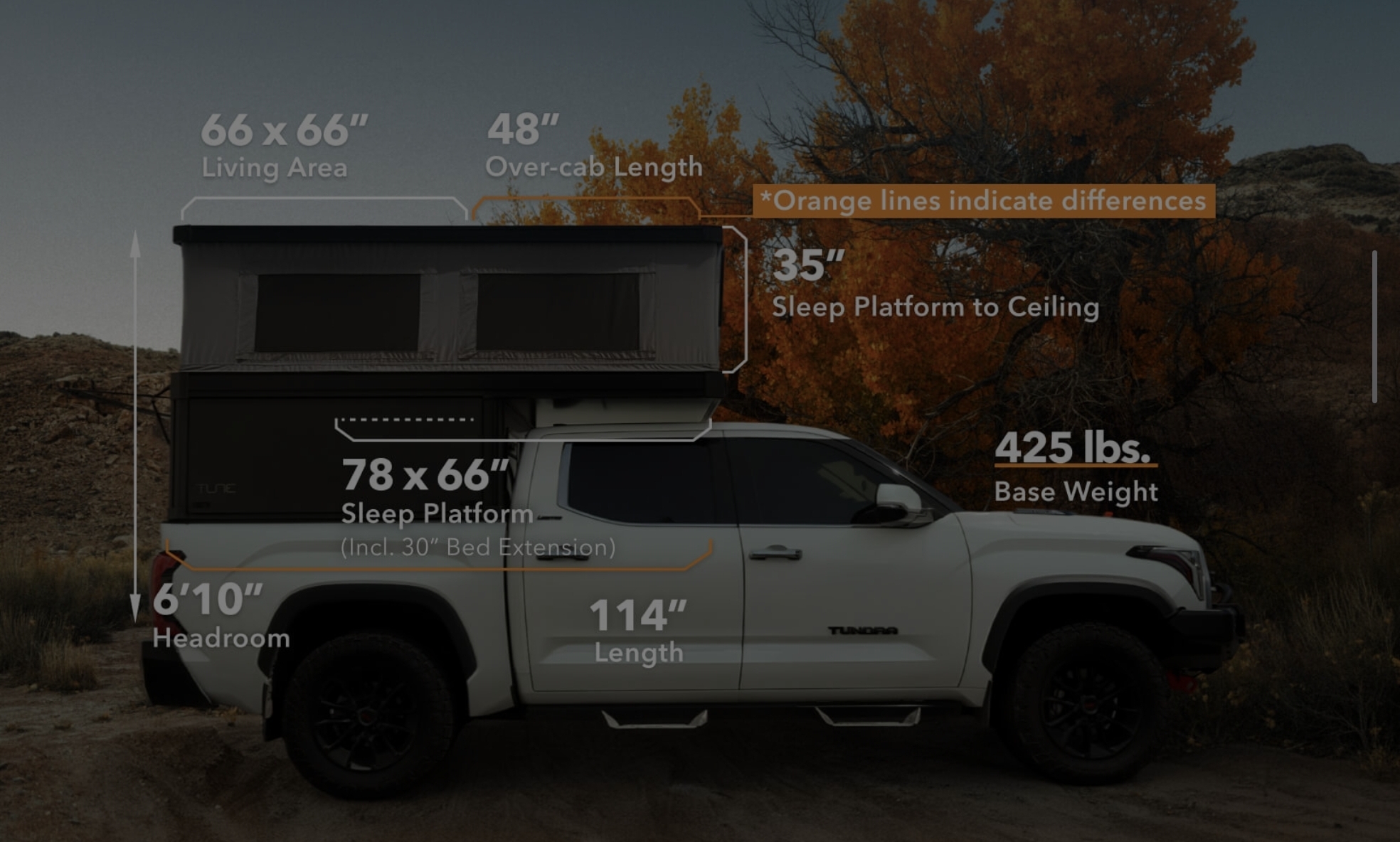
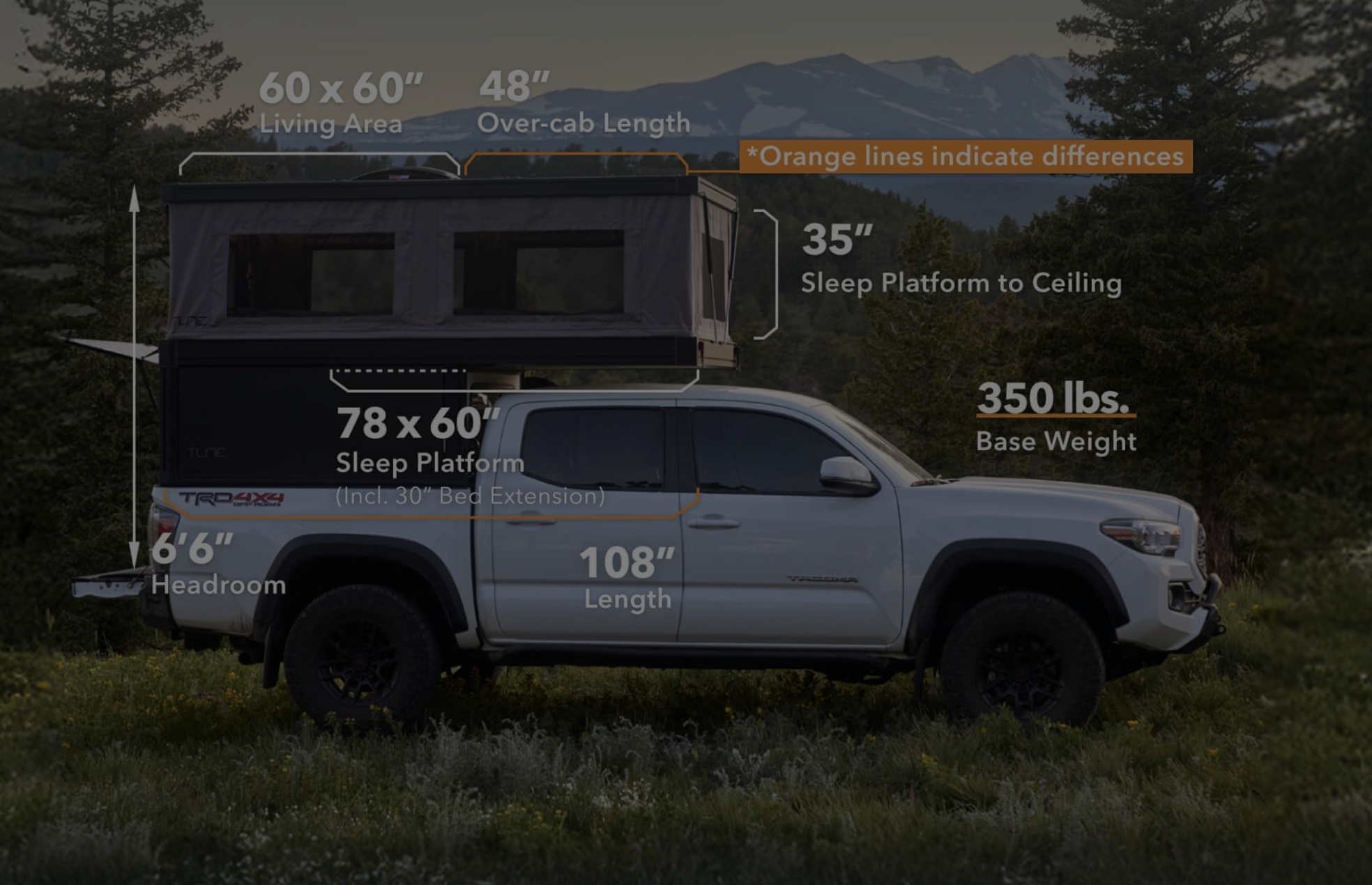







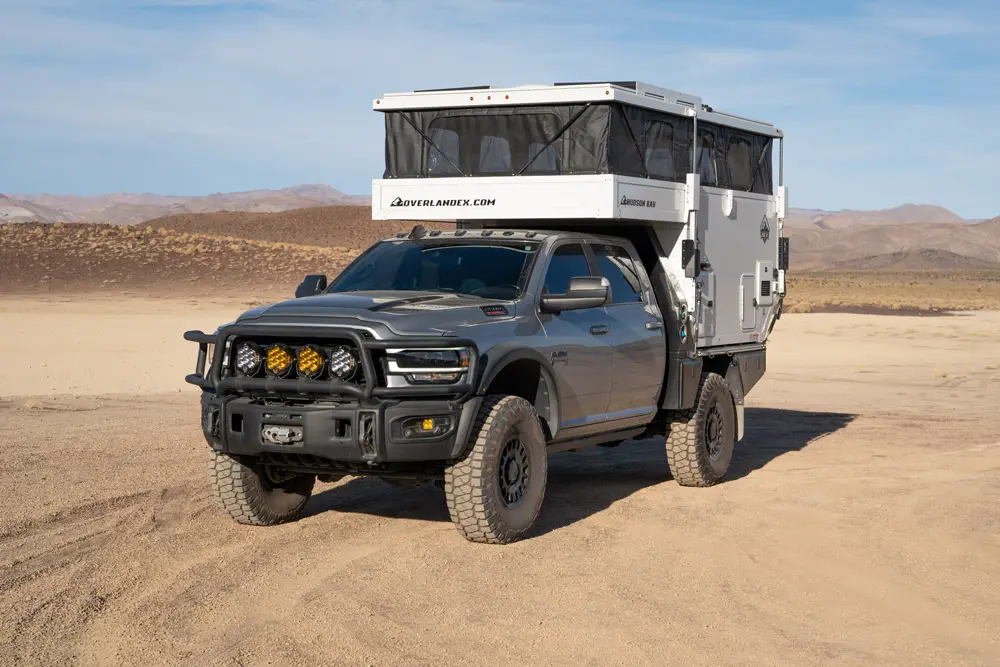
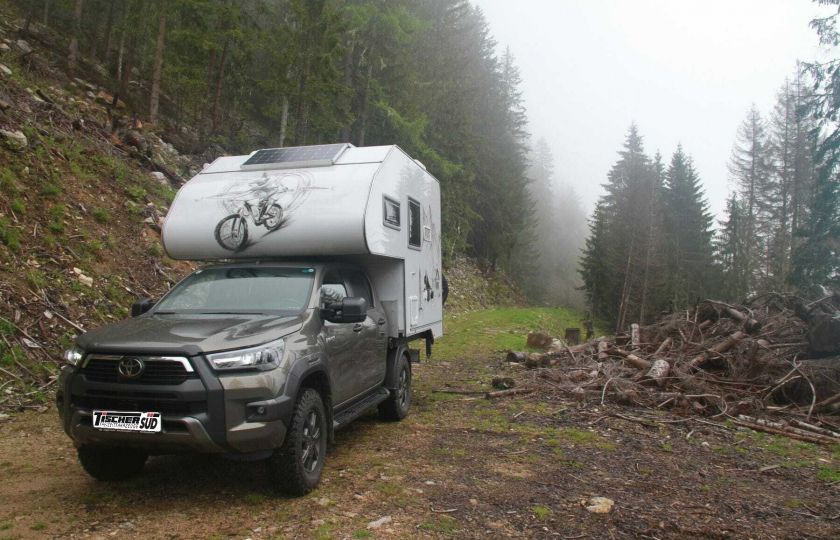
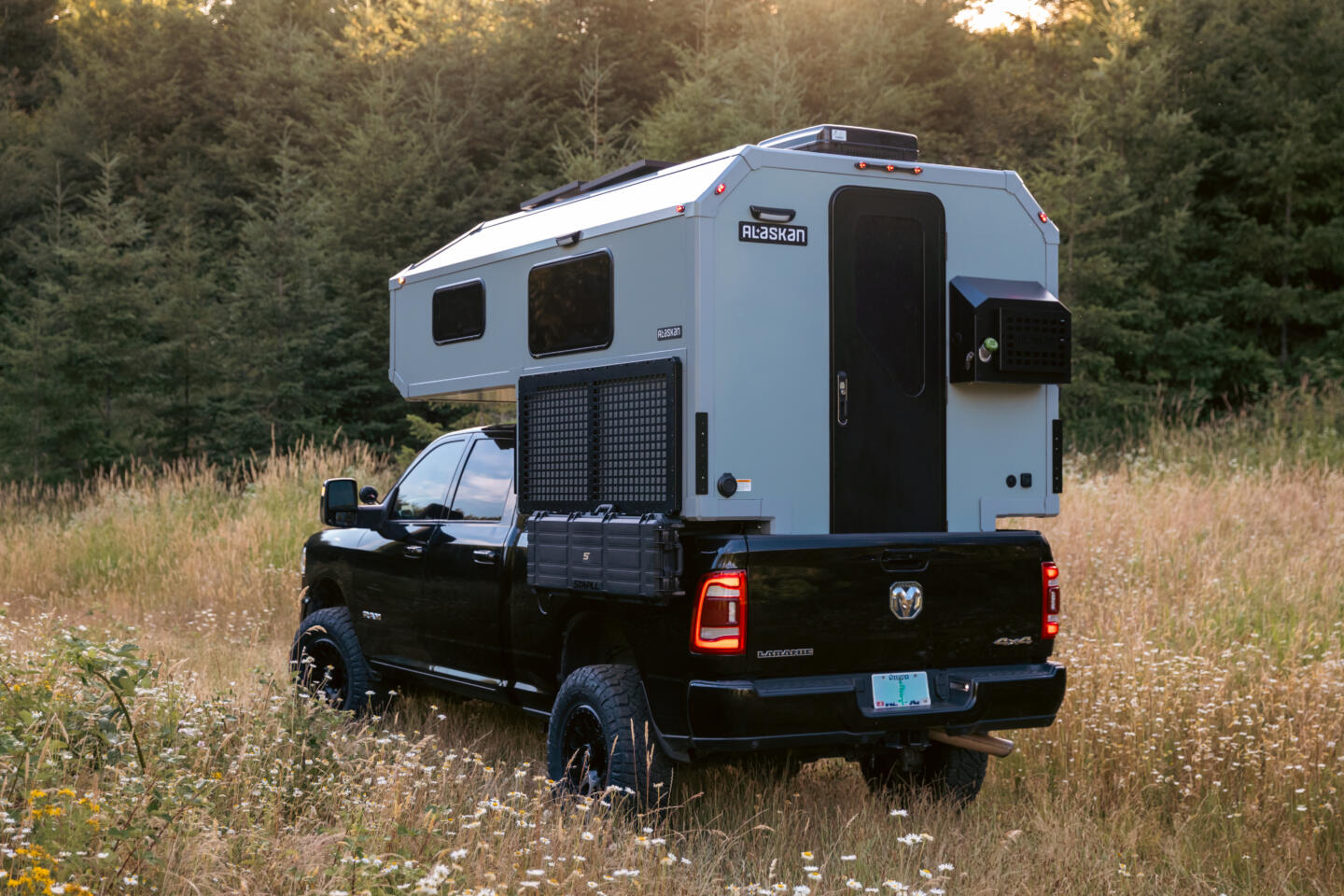

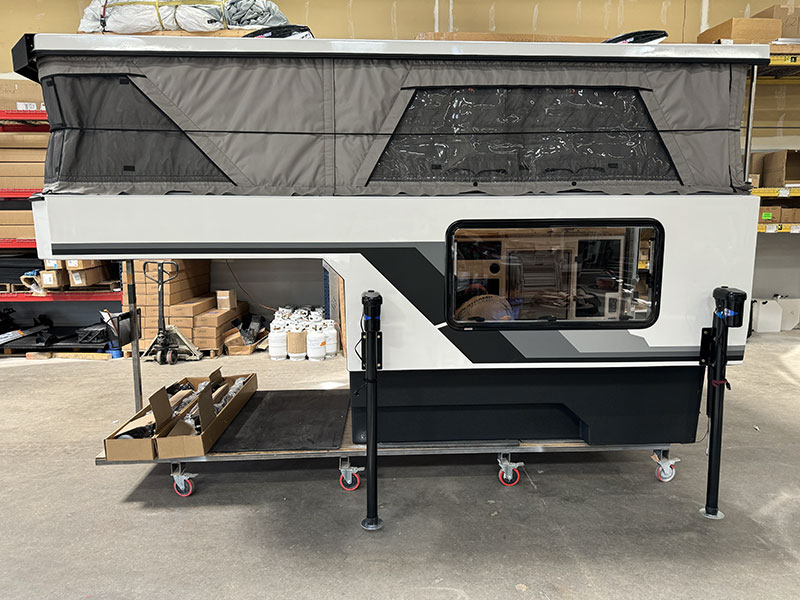
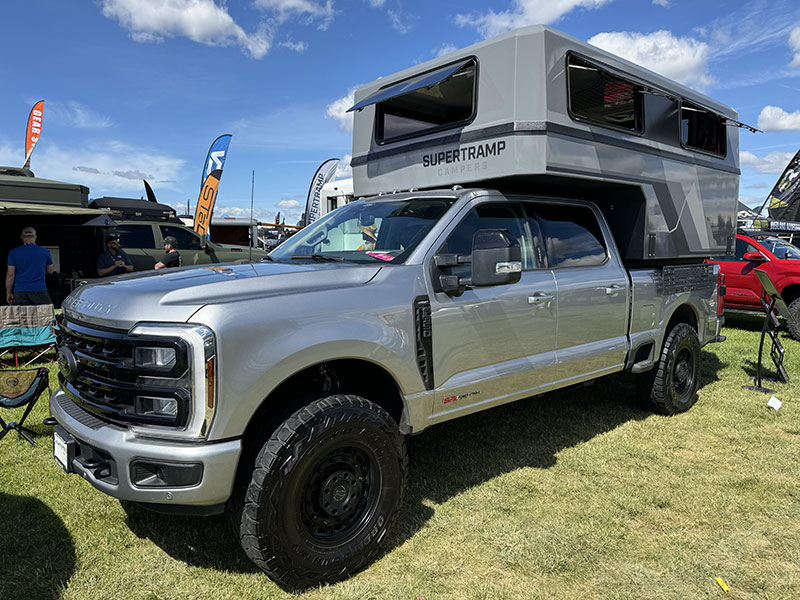
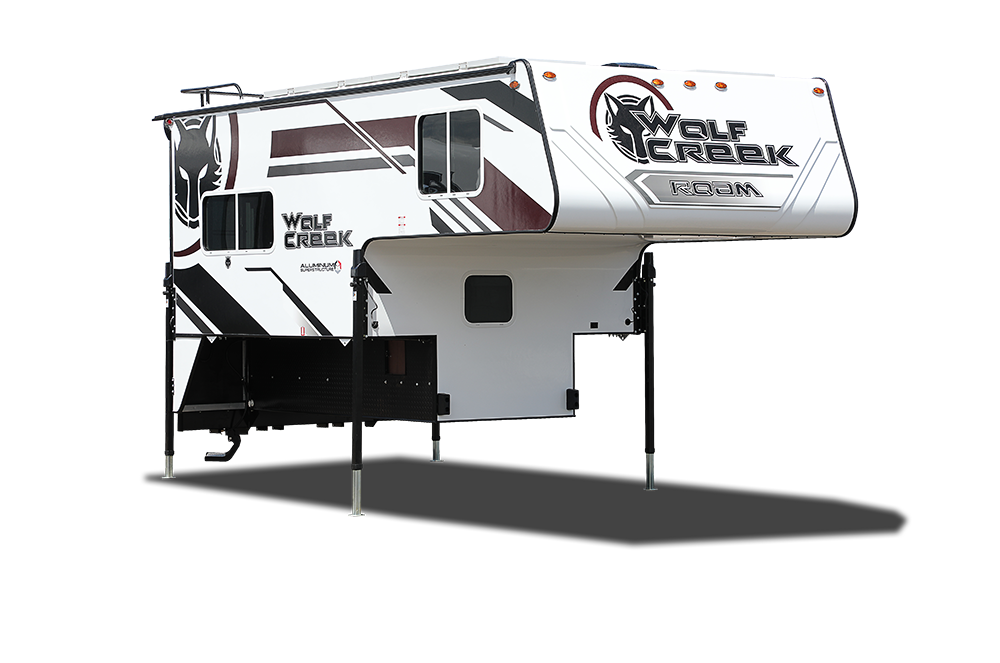
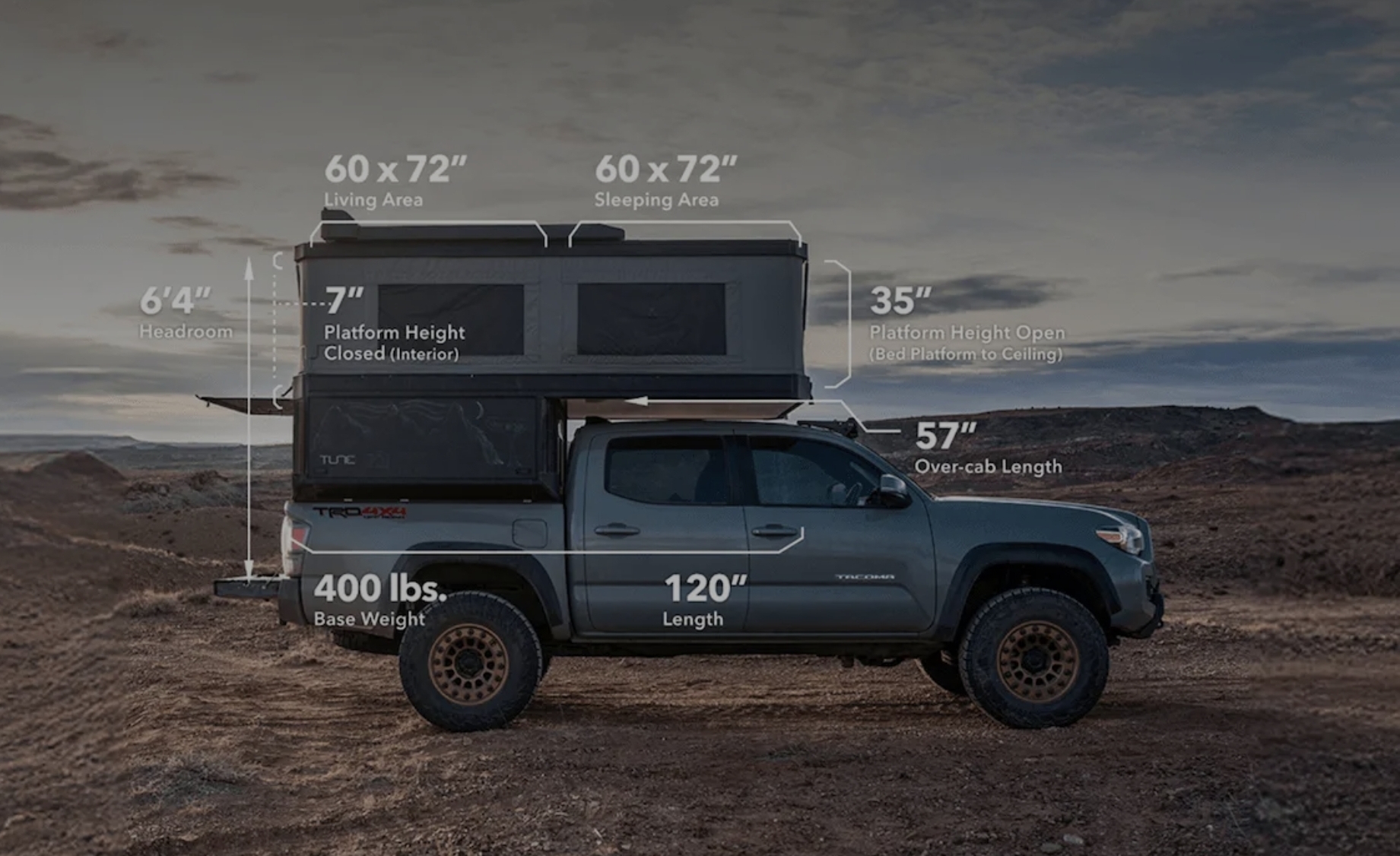
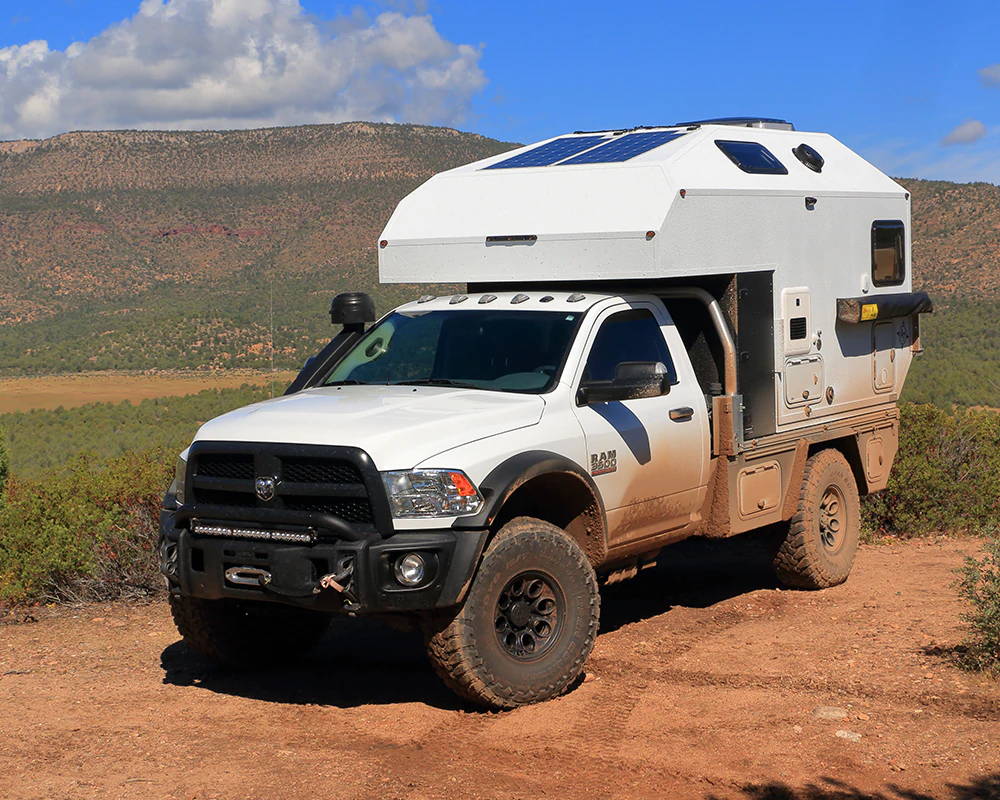

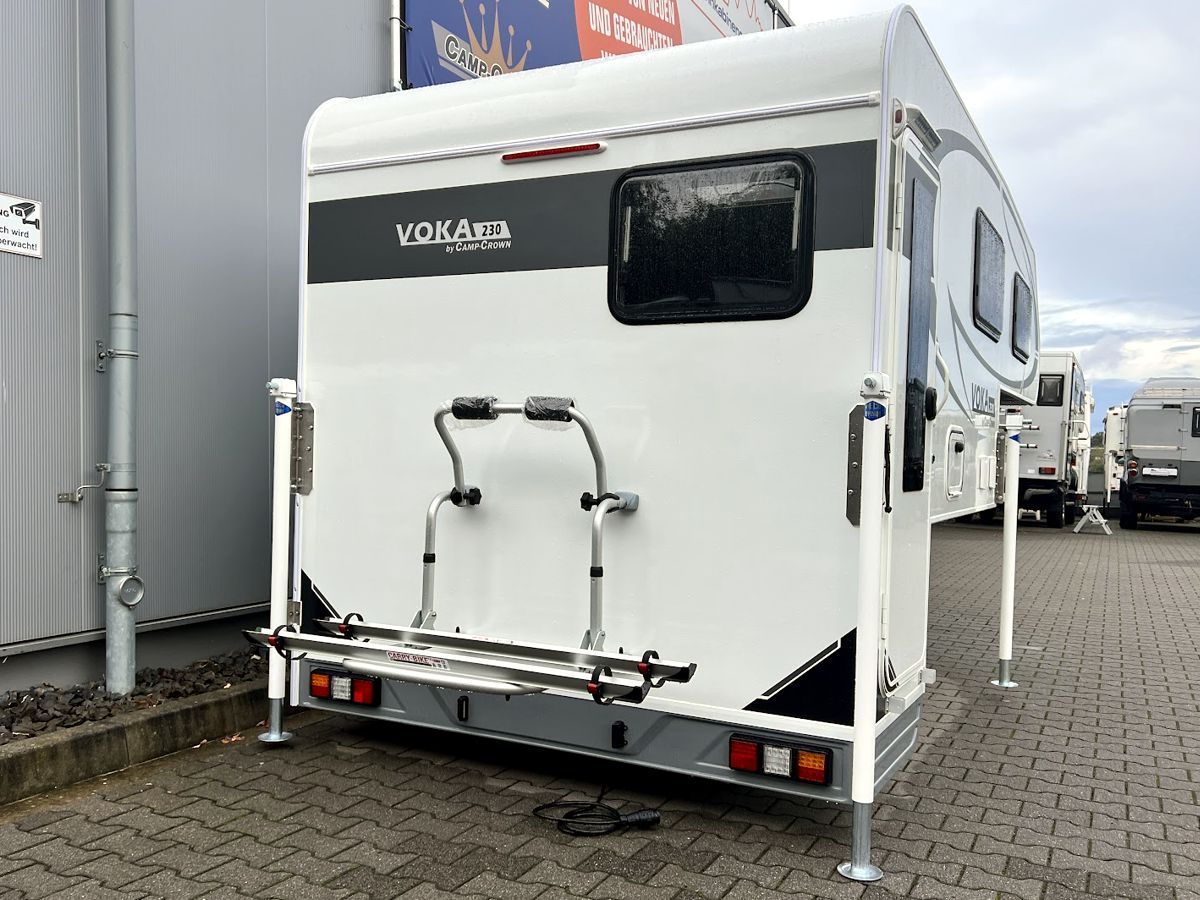
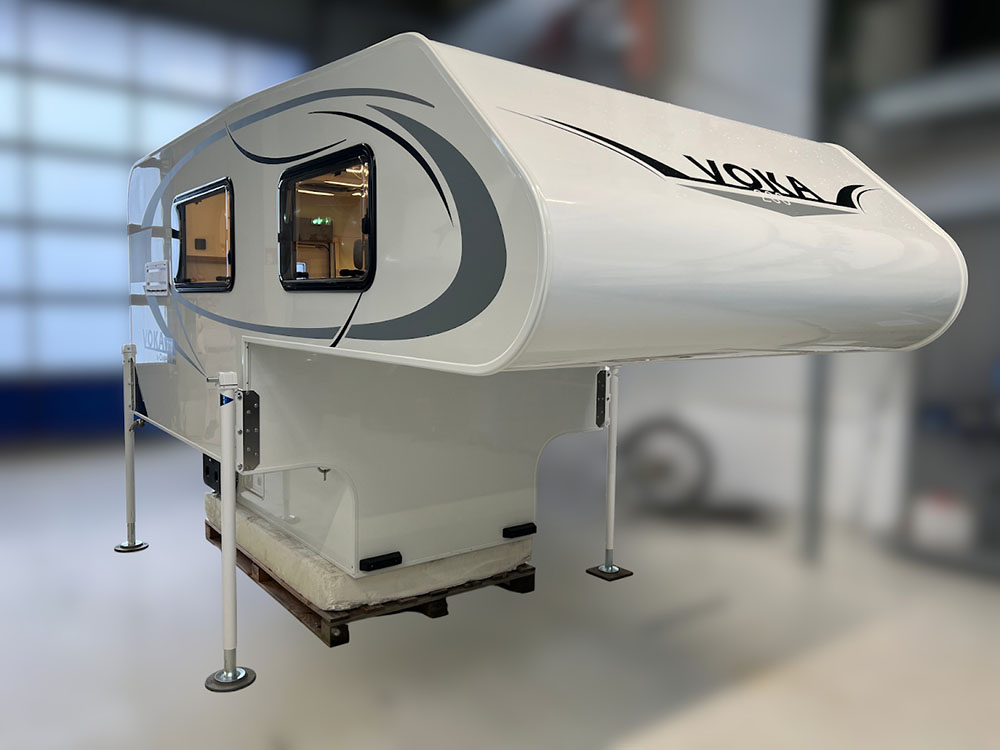
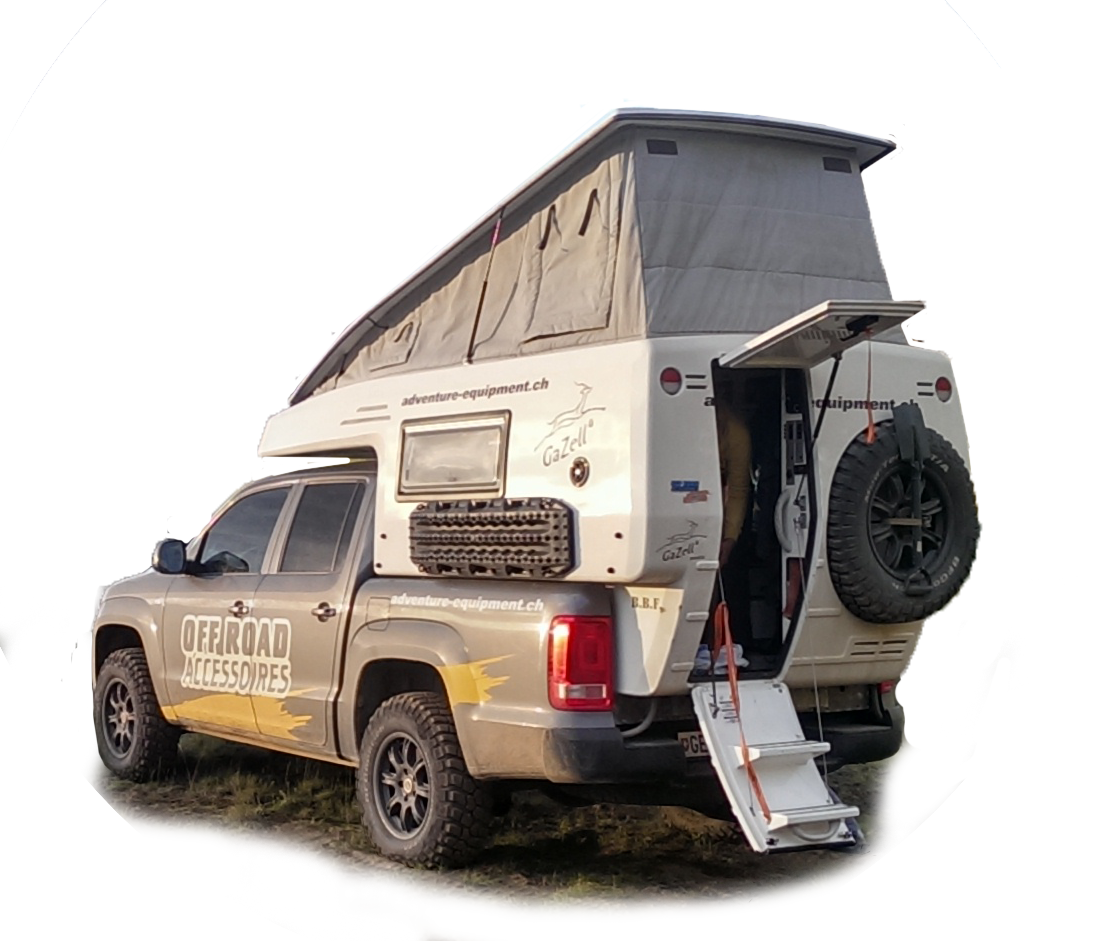


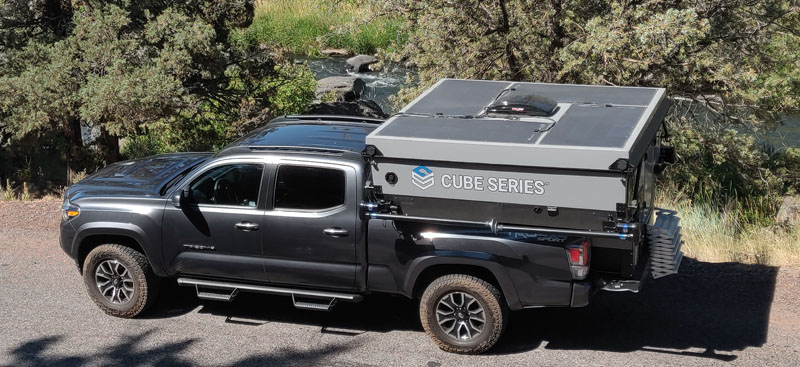
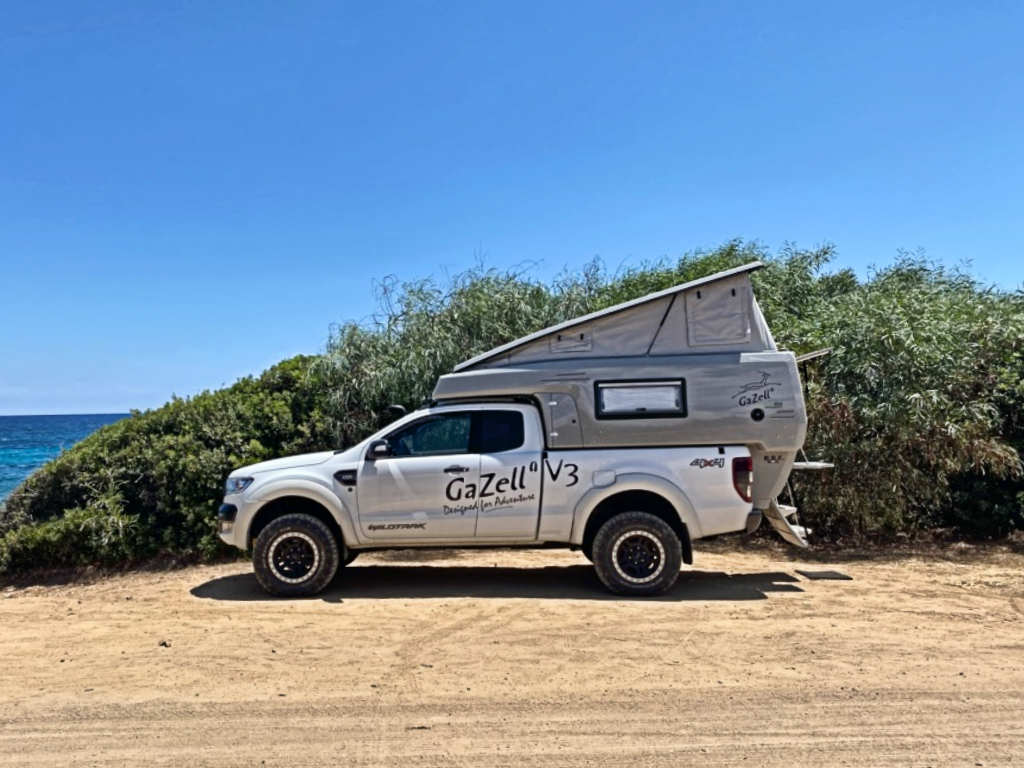
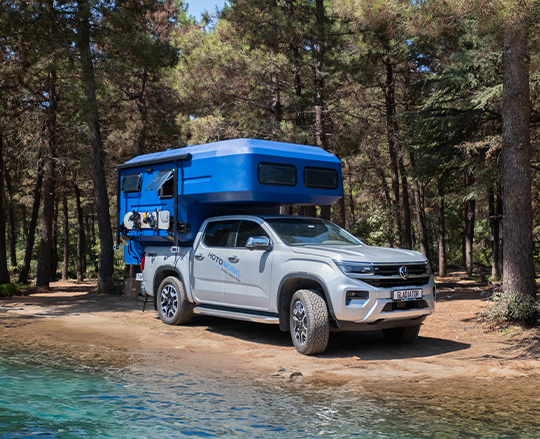
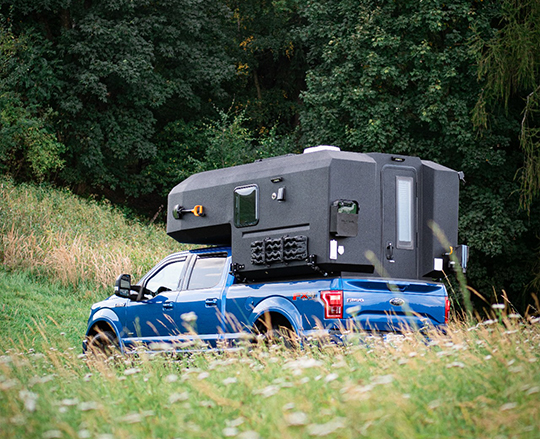
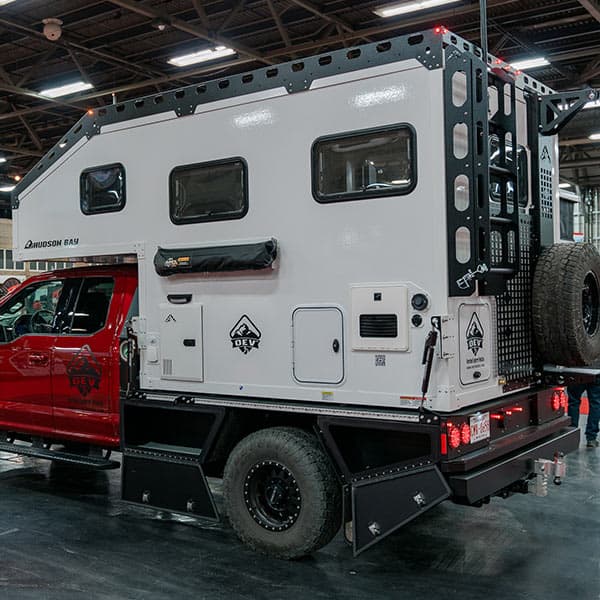

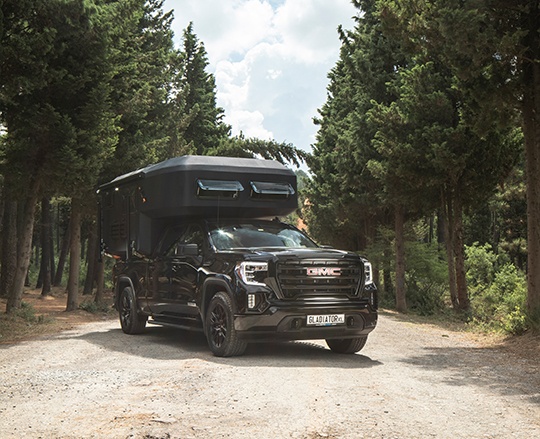
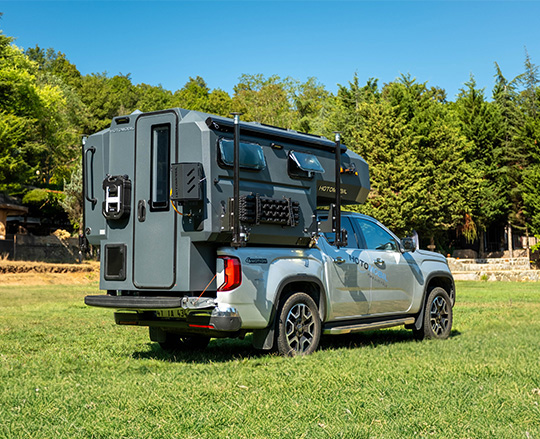
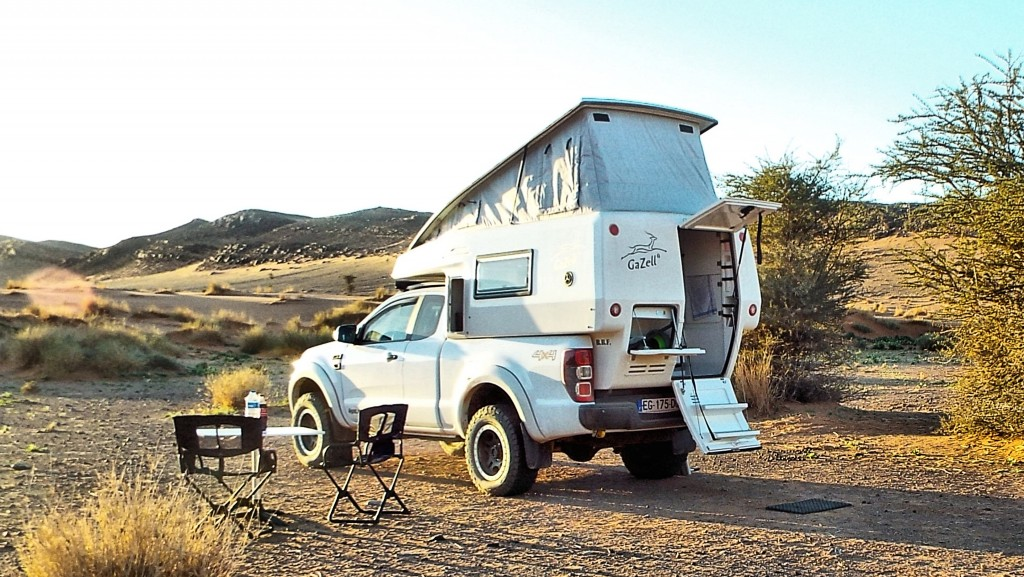


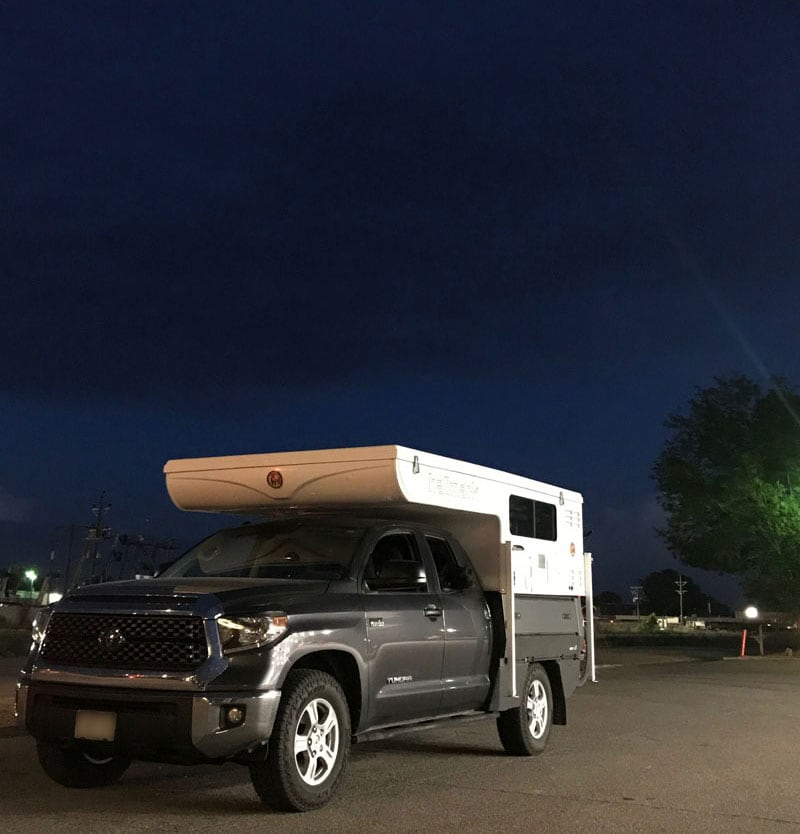
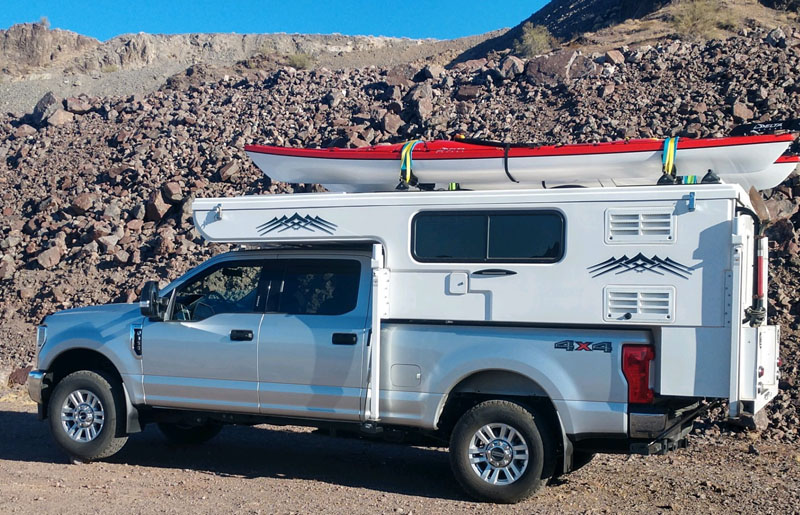

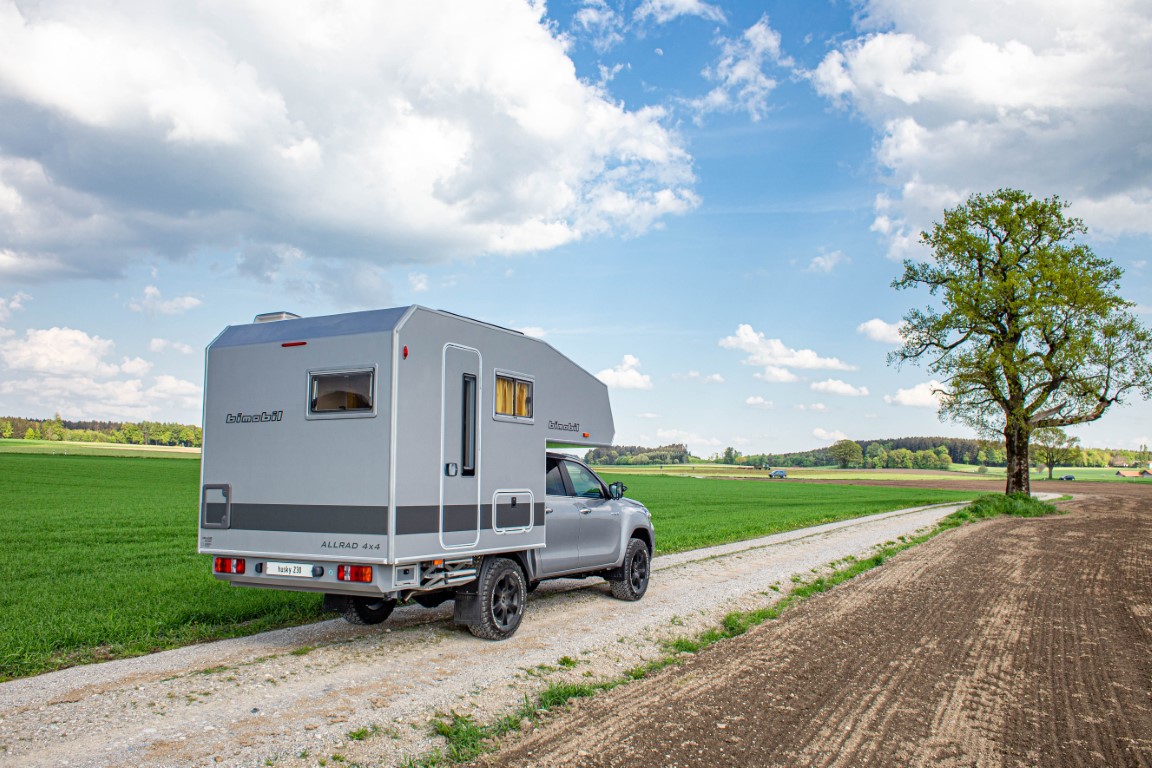
COMPARE
Selected campers
MHS TECHNICAL KNOWLEDGE
The engineering encyclopedia behind mobile habitats.
Understand the components inside a camper, how complete systems are built and how the engineering works in practice. MHS Technical connects equipment, system architecture, guides and confirmed camper installations.
Explore by system
Start with the subsystem you are trying to understand. Each system connects architecture, components, guides and camper installations.
Loading knowledge records…
Technical records
Foundation records for the MHS Technical Knowledge Base.
One engineering layer across MHS
A camper profile tells you what product exists. Technical explains what is inside it, how the system works and which exact components are confirmed in real camper records.
COMPONENTA specific piece of equipment and its verified manufacturer data.
SYSTEMThe architecture that connects multiple components into one working subsystem.
GUIDEA practical explanation of an engineering question or design decision.
CAMPER LINKConfirmed installations connect technical records back to real products.
MHS TECHNICAL / SYSTEM 01
Power & Electrical
The electrical system is the energy backbone of a mobile habitat. This page shows the architecture from charging sources to storage, distribution, conversion, protection and monitoring, then links each layer to the MHS component and guide records that explain it.
System architecture
This is a conceptual architecture, not an installation wiring diagram. Exact cable sizes, protection devices, charging limits and grounding depend on the selected equipment and vehicle.
Vehicle alternator
→
DC/DC charger
→
House battery
Solar array
→
MPPT controller
→
House battery
Shore power
→
Inverter / charger
↔
House battery
House battery
→
DC distribution + protection
→
12 V loads
House battery
→
Inverter
→
AC loads
Monitoring sits across the architecture rather than in the power path: shunts, chargers, inverter/chargers and gateways report energy flow and device state without replacing hardwired protection.
What the system has to do
- Accept energy from the vehicle, solar and shore-power sources that are actually installed.
- Store energy in the house battery within the battery and BMS operating limits.
- Distribute DC power with branch protection and service isolation.
- Convert DC to AC when an inverter is part of the camper architecture.
- Expose enough monitoring to understand battery state and charging behaviour.
MHS records in this system
Technical record
Overview
Verified specifications
Where it fits
What to verify
Design notes
Source-pack scope
Covered:
Limitations:
MHS TRAVEL & FIELD
Documented journeys, not travel inspiration.
MHS Travel connects routes, vehicles, removable campers and field events into structured evidence from real journeys.
Published journeys0
Distance documented0 km
Countries0
Field events0
Loading documented journeys…
No published journeys yet.
The archive structure is live; the first verified field reports can now be added from MHS Admin.
The archive structure is live; the first verified field reports can now be added from MHS Admin.
Field evidence belongs to the product record.
A journey is useful when it records what actually happened: distance, weather, road mix, failures, repairs, autonomy and the exact vehicle/camper combination. MHS keeps those observations linked instead of turning them into disconnected travel stories.
Structured journey record
Route · dates · distance · temperatures · road mix · vehicle · camper · field events · source · evidence level.
Route · dates · distance · temperatures · road mix · vehicle · camper · field events · source · evidence level.
Have a documented removable-camper journey?
Contact MHSSend MHS the source, route and equipment details. We can structure it as a field record.
MHS / Travel / Journey
–
Journey
Crew
Field report
–
Field context
Field events
MHS / Global Rating
| Rank | Manufacturer / Model | Country | Evidence | Rating | Class |
|---|---|---|---|---|---|
| Loading current MHS rating… | |||||
MHS / Find My Habitat
MHS Match · BETA
Find the habitat that fits your use
MHS Match first removes modules that conflict with your hard requirements. It then compares the remaining products against your travel profile and priorities. MHS Score and Match Score are intentionally separate.
Matching logic
1Hard compatibility filters
2Must-have requirements
3Weighted personal fit
4Diverse 3–5 model shortlist
Vehicle compatibility
These answers create hard filters. A product that cannot fit the selected vehicle class or installation type is removed before scoring.
How will you use it?
These inputs describe the operating environment and living profile. They affect Match Score, not the product’s MHS Score.
Must have or just preferred?
A Must-have is a hard filter. Prefer affects the Match Score. Doesn’t matter is ignored.
Four-season heating
Internal shower
Toilet
Air conditioning
Pop-up roof
Solar + lithium
Central digital control
Advanced safety monitoring
Choose your top priorities
Select up to three. They receive extra weight only after all hard filters are applied.
3 of 3 priorities selected.
1,100 kg
No budget question: MHS does not filter the shortlist by price. You decide what you are willing to offer after seeing suitable modules.
Your MHS Match shortlist
The shortlist is intentionally diverse: Best Overall, Lightweight, Winter, Technology and Alternative.
Vehicle–
Exact matches–
Priorities–
Max dry mass–
Prototype data warning: the matching logic is final-form, but the fit/feature attributes are still a prototype dataset. Before publication they must be populated from the audited MHS evidence database.
Interested in several candidates?
Select models and send the same buyer offer to all of them. MHS will create separate manufacturer enquiries internally.
What happens after you make an offer?
No account is required at the MVP stage.
1. MHS receives your requestYour contact details, selected module, vehicle, timeframe and price appear in the MHS admin queue.
2. MHS contacts the manufacturerWe manually send a structured enquiry from MHS. Your personal contact details are not automatically passed on.
3. MHS contacts youIf the manufacturer accepts, counters or asks for clarification, MHS follows up by email or phone.
MHS / Reliability Research
MHS INCIDENT EVIDENCE
Reliability starts with evidence, not a ranking.
MHS is building a model-specific record of real failures, repairs and field incidents. The current phase measures evidence coverage and exposure. It does not name a “most reliable” camper before the data are comparable.
Current model coverage
– / –
Loading verified incident evidence…
Verified incident cases–Distinct cases. A failure and its repair remain one case.
Incident source URLs–Unique public URLs supporting current-model incident cases.
Technical cases–Camper system, supplier component or unknown technical origin.
Failure / repair rows–Event rows in the journal; not the same as independent incidents.
Data collection phase
What the current numbers mean
Coverage tells us where MHS has verified incident evidence. It does not tell us which model is more reliable.
One problem = one incident case
If a component fails and is later repaired, MHS links those records to the same incident case instead of counting two failures. This prevents repair documentation from artificially worsening a model’s record.
The public case count is therefore intentionally lower than the number of failure / repair event rows.
Not every incident is a reliability penalty
Physical damage caused by an external event or by user operation can be useful field evidence, but it should not reduce technical reliability.
Evidence acceptance rules
The model identity and the incident itself must both be supported by the source.
Accepted
- Exact camper model is identifiable from the source.
- A concrete failure, repair or physical incident is described.
- A public source URL can be reopened and checked.
- Model year is retained when known, especially for long-running model names.
- Official recalls count only when applicability to the exact model is explicit.
Rejected
- General complaints about a brand or product family.
- Problems reported for a neighboring model or uncertain subtype.
- Normal maintenance, preferences or design annoyances without a failure.
- Vehicle failures that are not failures of the camper.
- Rumor, second-hand claims or a model guessed from photographs.
Why MHS does not publish a reliability ranking yet
A raw incident count is meaningless without exposure and independent users.
Four incidents across 180,000 documented kilometres can represent stronger field performance than two incidents across 8,000 km. MHS will only compare models when the evidence base is sufficiently broad.
100+models in a valid comparative sample
100,000 kmdocumented exposure per model
50+independent contributors per model
Source transparency
Every published incident must remain traceable to evidence.
What MHS publishes now
Incident cards expose the failure or repair, severity, system area, incident origin and a direct source link. The model page also separates Incidents from ordinary Field Observations.
What MHS does not claim
The number of web pages reviewed during the first research pass was not systematically logged. MHS therefore publishes the exact number of verified incident source URLs, but does not present an invented “pages screened” total or acceptance percentage.
Planned reliability metric
The principal exposure metric is simple enough to audit.
Documented km / technical incident
Technical incident cases are currently defined as camper-system, supplier-component and unknown-origin cases. External damage and user-operation cases remain visible in the journal but are excluded from the technical denominator.
Zero reported incidents
MHS will not display “infinite reliability.” A zero-case record will be stated factually: 0 reported incidents over X documented km.
MHS / Methodology
MHS Methodology
How mobile habitats are rated
MHS evaluates factory-delivered functional and technological capability using a common evidence-based framework.
Maximum MHS Score
100
Functional Score contributes up to 95 points and Functional Density contributes up to 5 additional points.Scoring architecture
MHS is an absolute capability scale, not a percentile ranking.
Base Functionality
30
Systems Integration
20
Automation
15
Safety & Resilience
15
Sensors & Diagnostics
10
Digital Infrastructure
5
Functional Density
5
MHS Score
100
MHS = Functional Score + Functional Density points. The total maximum is 100 points.
Core principles
The methodology rewards demonstrated capability rather than marketing claims or component potential.
01 / EVIDENCE
Evidence over claims
Not publicly confirmed means no Public Data credit. This does not mean the function is absent.
02 / CONFIGURATION
Configuration-specific
Optional equipment counts only when included in the exact evaluated configuration.
03 / IMPLEMENTATION
No component inference
Capable hardware does not by itself prove camper-wide implementation.
04 / SNAPSHOT
Dated assessment
Every rating is a dated snapshot of a model, configuration and evidence set.
Factory-Max Configuration
Public Rating compares the strongest valid factory-delivered configuration, not the cheapest base model.
Official definition
The highest-scoring, mutually compatible, production configuration of a specific model that can be ordered from the manufacturer on the assessment date.
Score-max, not equipment-max
An option that adds weight but no MHS capability does not have to be selected merely because it exists.
Price-neutral
MHS measures capability, not value-for-money.
MHS classes
Classes use fixed thresholds across the full 0–100 MHS scale.
A+90–100
A75–89.9
B60–74.9
C45–59.9
D30–44.9
E20–29.9
F0–19.9
Functional Density
More verified capability per unit of dry mass.
FD = FS / dry mass (kg) × 100
Dry mass must correspond to the same complete Factory-Max configuration that earned the Functional Score.
FD below 5.000 pts
5.00–7.491 pt
7.50–9.992 pts
10.00–12.493 pts
12.50–14.994 pts
15.00+5 pts
Provisional display when dry mass is unavailable
If configuration-specific dry mass is not publicly confirmed, Functional Density remains N/A and no FD points are assigned. The public provisional display uses the Functional Score as the verified lower bound, shown with a “+”. Because FD can contribute 0–5 points, the possible final Score range is FS to FS+5 and the possible Class range is shown when a class boundary could be crossed. Numeric Rank is assigned only after dry mass is confirmed and Functional Density is calculated.
MHS / Verification
MHS Verification
Three levels of evidence
The score and the strength of evidence behind it are separate. Verification increases confidence without changing the scoring rules.
Verification ladder
- 01 · PUBLIC DATA
- 02 · MANUFACTURER VERIFIED
- 03 · MHS VERIFIED
Assessment levels
LEVEL 01
PUBLIC DATA
Scored only from publicly accessible manufacturer information and official documentation.
- Official model pages
- Configurator / option lists
- Owner manuals
- Specification sheets
LEVEL 02
MANUFACTURER VERIFIED
The manufacturer confirms the evaluated configuration and supplies supporting evidence.
- Configuration confirmation
- Compatibility confirmation
- Technical evidence
- Configuration-specific dry mass
LEVEL 03
MHS VERIFIED
MHS directly verifies configuration and selected functional claims.
- Inspection
- Live demonstrations
- Condition → action tests
- Failure / fallback tests
What changes between levels
| Verification element | Public Data | Manufacturer Verified | MHS Verified |
|---|---|---|---|
| Official public sources | YES | YES | YES |
| Manufacturer confirmation | NO | YES | YES |
| Non-public technical evidence | NO | ACCEPTED | ACCEPTED |
| Live functional testing | NO | OPTIONAL | YES |
| MHS functional audit | NO | NO | YES |
Manufacturer verification process
Manufacturers submit evidence, not score requests.
1
Submit model data
Identify model, region, model year and exact configuration.
2
Provide evidence
Submit official technical documentation and configuration proof.
3
MHS review
Check evidence quality, compatibility and criterion eligibility.
4
Record update
Publish new status, date and score if applicable.
Accepted evidence
- Official manufacturer specifications
- Factory order sheets
- Technical drawings
- Controller screenshots
- Dry-weight documentation
- Video or live demonstrations
Not sufficient by itself
- Generic component datasheets
- Dealer-added accessories
- Marketing claims without support
- Roadmap or “in development” features
- Capabilities borrowed from another model
MHS / About
About MHS
One common standard for mobile habitats
MHS is an independent rating framework for comparing functional and technological capability across manufacturers and markets.
Why MHS exists
Comparable products need comparable evidence.
Mission
Our mission
Make mobile habitats measurable
MHS provides a common language for assessing verified capability.
Our objective
Make evidence more important than claims
A feature is credited only when the evaluated model and configuration support it.
Core principles
01 / NEUTRALITY
Same rules for every manufacturer
Brand size, country, price and commercial relationships do not change scoring rules.
02 / EVIDENCE
Claims must be supported
Higher verification levels require stronger evidence.
03 / TRACEABILITY
Every score is dated
Model, configuration, assessment date, level and MHS version remain visible.
04 / CONFIGURATION
No imaginary builds
Factory-Max must be orderable, production-ready and mutually compatible.
05 / PRICE NEUTRALITY
Capability is not value-for-money
Price does not add or subtract MHS points.
06 / CORRECTION
Records can be revised
Better evidence and product changes can trigger a dated reassessment.
Scope
Currently in scope
- Removable pickup-bed living modules
- Slide-in truck campers
- Flatbed pickup campers
- Current production models
- Regional variants when equipment differs materially
Outside current scope
- Permanent motorhome conversions
- Heavy expedition trucks
- Travel trailers
- Roof-top tents
- One-off custom builds
- Concept products not orderable
MHS scores are not for sale
Payment, sponsorship, advertising or commercial relationships do not purchase points, class, rank or favorable interpretation.
No paid score increases
No ranking changes for advertising
Corrections require evidence
No manufacturer veto over evidence-based results
What MHS is not
Not a value-for-money ranking
Price is outside the MHS capability score.
Not a popularity ranking
Sales volume and brand recognition do not add points.
Not a legal compliance certificate
MHS does not replace product certification or applicable legal standards.
Not a substitute for buyer priorities
Budget, service access, payload and intended use may still matter greatly.
Contact MHS
Questions, corrections, partnership enquiries or feedback about the platform.
CONTACT
Send a message to MHS
Your message goes directly into the MHS Admin inbox. For rating corrections or manufacturer evidence, include the model name and a source link where possible.
Submitting a message does not affect a score, class or ranking.
MHS / Submit manufacturer data
Manufacturer Submission
Submit manufacturer data
Provide official evidence to complete, correct or verify your model’s MHS record. MHS applies the same methodology to all manufacturers and does not negotiate scores.
Use this form to
- Confirm Factory-Max configuration
- Provide evidence
- Correct outdated data
- Request Manufacturer Verified review
- Prepare for MHS Verified assessment
MHS / Campers / Manufacturer
MANUFACTURER PROFILE
Manufacturer
Current removable-camper model line in the MHS market catalog.
–Current models–market catalog
Assessed–published MHS assessments
Best score–public MHS scale
Average score–assessed models only
Current model line
Select up to four models to compare.
Loading manufacturer profile…
0 models selected · up to 4
Country–
Global rank–among assessed
Position–current MHS Rating
Evidence–
What this score means
MHS measures maximum factory-delivered functional and technological capability. It is not a price, value-for-money, popularity or sales ranking.
Assessment basis
Public Data ratings award credit only for functions that can be confirmed from public manufacturer information. Not publicly confirmed means no credit. This does not mean the function is absent.
Evaluated configuration
Configuration–
Assessment Level–
Status–
Public record
This page shows aggregate public information only. Internal section scoring, individual criterion results and audit notes are not published.
TECHNICAL PROFILE
Specifications
Manufacturer-published and MHS-verified model data. Unknown values remain unknown rather than being inferred.
EVIDENCE & FIELD USE
Assessment evidence & real-world use
Public assessment sources plus high-confidence Journey records linked to this exact camper model.
FIELD EVIDENCE COVERAGE
Representative journeys
Real-world records by system
Incidents
Field observations
ASSESSMENT EXPLAINER
Why this score
Publicly confirmed capabilities that help explain the published MHS assessment.
This is a public explanation layer. Internal criterion weights, detailed scoring rules and audit notes are not published.
Evidence & related records
Verified technical references, documented journeys and relevant MHS news linked to this model.
Technical
0Loading…
Travel
0Loading…
NEWS
0Loading…