The story
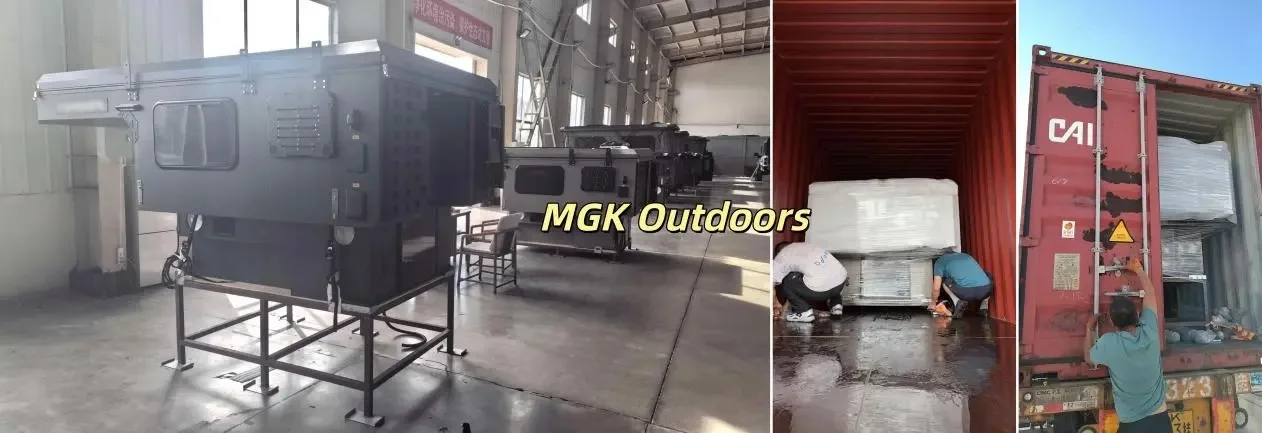
Truck-camper manufacturer MGK has reported an expansion of its factory facilities and a recent shipment of four campers from the enlarged operation. The company said the units were completed and loaded for shipment on September 2, 2026.
According to MGK, the additional production space is intended to increase manufacturing capacity and improve order fulfillment. The company linked the expansion to demand from the outdoor-camping and overlanding markets, while also emphasizing the needs of overseas dealers and distributors.
The reported shipment involved multiple campers being packed and loaded within one afternoon. MGK presented that activity as evidence of a more organized production and logistics process rather than as a new product launch. The company’s announcement did not identify a new model, a specific production-volume target or a newly opened facility address.
Factory capacity is an important operational issue for smaller camper manufacturers. Unlike large recreational-vehicle producers, many specialist truck-camper companies rely on limited production teams, regional suppliers and direct or dealer-assisted ordering. A change in available floor space can therefore affect lead times, export availability and the number of units that can be completed simultaneously.
MGK’s update also indicates that pickup campers are being treated as an exportable product category, not only as a local or regional recreational product. The company specifically referred to international shipments and distributor planning in its account of the facility expansion.
The announcement provides limited information about MGK’s product range, but it does establish a recent manufacturing development: the company says its physical production footprint has grown and that it is using the added capacity to support larger or more consistent shipment activity. Further details about annual output, staffing and future product introductions were not included in the announcement.
Why it matters
The reported expansion addresses a recurring constraint in the truck-camper sector: limited specialist manufacturing capacity. More production space can affect lead times, dealer supply and the ability of smaller manufacturers to serve export markets.